
Car Battery Drain Problems in Bloomington: Why Your Car Won’t Start on Cold Mornings
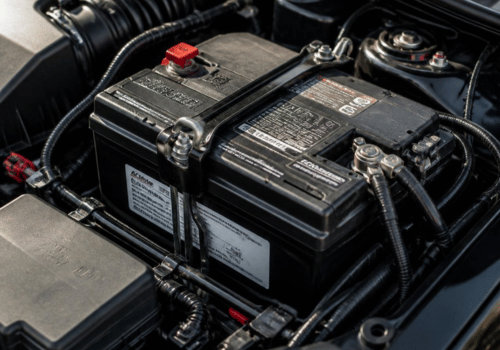
At Autopia Bloomington, we know how frustrating it is to step out on a chilly Bloomington morning and hear nothing when you turn the key—or press start. That sudden dead battery can leave you stranded, late for work, or worried about costly repairs. The good news? Most battery drain issues are preventable with the right knowledge and maintenance.
In this guide, we’ll cover why batteries fail in cold weather, early warning signs, common causes of battery drain, and what you can do to keep your car starting reliably all year long.
Why Cold Weather Drains Car Batteries
Car batteries rely on chemical reactions to produce power. Cold temperatures slow these reactions, reducing the battery’s ability to generate enough energy to start the engine.
Even a fully charged battery can struggle when temperatures dip below freezing. Combine that with a battery that is already old, worn, or poorly maintained, and you have a perfect storm for a no-start scenario.
Early Signs Your Battery Is Struggling
Many drivers ignore subtle signs of battery issues, assuming it’s “just winter.”
Here’s what to watch for:
- Slow engine crank: The car struggles to turn over.
- Dim headlights: Lights are noticeably weaker, especially when starting.
- Dashboard warning lights: Battery or check engine lights may illuminate.
- Electrical malfunctions: Power windows, radio, or infotainment systems act sluggish.
Catching these warning signs early can save you from being stranded and reduce the risk of additional damage to your car’s electrical system.
Common Causes of Car Battery Drain
Understanding what drains your battery helps prevent problems.
Common causes include:
1. Old or Weak Battery
Most car batteries last 3–5 years. Beyond that, they lose the capacity to hold a full charge, especially in extreme temperatures.
2. Leaving Electronics On
Interior lights, headlights, or infotainment systems left on overnight can drain the battery significantly.
3. Parasitic Drain
Some electrical components continue using power even when the car is off. Faulty wiring, sensors, or aftermarket electronics can increase this “parasitic drain.”
4. Alternator Problems
The alternator charges the battery while the car is running. A failing alternator may not fully charge the battery, leaving it weak for the next start.
5. Corroded or Loose Connections
Battery terminals that are corroded or not tightly connected can prevent the battery from delivering full power to the starter.
How to Prevent Battery Drain in Cold Weather
At Autopia Bloomington, we recommend several simple yet effective tips to keep your battery in top condition:
- Regular Battery Inspections: Check voltage, connections, and overall health at least once a year.
- Clean Terminals: Remove corrosion to ensure efficient power delivery.
- Limit Electronics When Parked: Turn off lights and accessories when the car is off.
- Keep Your Car Warm: If possible, park in a garage or use a battery blanket in extreme cold.
- Replace Aging Batteries: Don’t wait for a failure—replace batteries around the 3–5 year mark.
Why Professional Battery Checks Matter
A weak battery isn’t always obvious until it’s too late.
At Autopia Bloomington, our technicians use specialized tools to:
- Test battery voltage and load capacity
- Inspect alternator performance
- Check for parasitic drains
- Clean and tighten terminals
- Provide expert recommendations for replacement if needed
This proactive approach ensures your car starts reliably, even on the coldest Bloomington mornings.
FAQs About Car Battery Drain
Q:
How long does a car battery last?
A: Most last 3–5 years, depending on climate, driving habits, and maintenance.
Q:
Can a dead battery be recharged, or do I need a new one?
A: Sometimes a jump start or charging can restore a battery temporarily, but an old or severely drained battery usually needs replacement.
Q:
Can cold weather damage my battery permanently?
A: Extreme cold doesn’t usually destroy a battery immediately, but repeated exposure and starting strain can shorten its lifespan.
Q:
What’s parasitic drain?
A: It’s power used by electronics or components when the car is off. A minor drain is normal, but excessive drain can kill a battery overnight.
Q:
How often should I have my battery checked?
A: At least once a year, and before the cold season in Bloomington to avoid surprises.
Don’t Wait Until It’s Too Late
Battery drain is one of the most common reasons drivers get stranded, but it’s also one of the easiest problems to prevent. With regular checks, proper maintenance, and professional inspections at Autopia Bloomington, you can avoid the frustration of a no-start and extend the life of your battery.
Whether it’s a routine inspection, a battery replacement, or troubleshooting electrical drains, our team is here to ensure your vehicle starts reliably every morning—no matter the weather.
Schedule your car battery check at Autopia Bloomington today and enjoy peace of mind on every drive.