
Kia Soul and Sportage Owners: How to Make Your Car Last Beyond 100K Miles
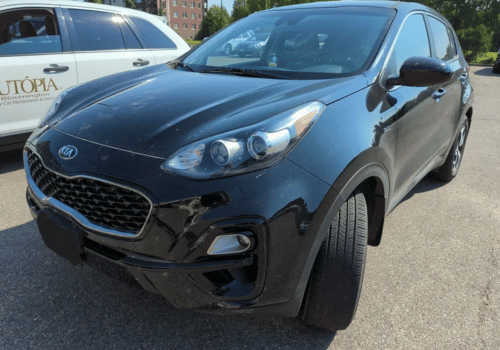
At Autopia Bloomington, we know Kia Soul and Sportage owners love their cars for reliability, comfort, and efficiency. But if you want your Kia to last well past 100,000 miles—and keep running like new—you’ll need more than routine oil changes.
With the right maintenance strategy, you can extend your car’s lifespan, improve performance, and prevent costly breakdowns down the road.
In this guide, we’ll cover the key maintenance areas every Kia owner should prioritize, how to spot early warning signs, and expert tips to help you get the most out of your Soul or Sportage.
Why Longevity Maintenance Matters for Kia Drivers
Your Kia isn’t just a vehicle—it’s an investment. Proper maintenance doesn’t just keep it running; it ensures safety, efficiency, and higher resale value. Reaching 100K miles (and beyond) is achievable with proactive care.
Kia’s maintenance schedules recommend key services like oil changes, filter replacements, and fluid checks around every 7,500 miles, and more intensive inspections between 30,000 and 60,000 miles. Following these intervals is crucial if you want to avoid expensive repairs later on.
Top Maintenance Areas to Focus On
1. Engine Oil and Filter Changes
Why It Matters: Your engine depends on clean oil to reduce friction, cool components, and prevent buildup. Old or dirty oil can cause internal wear and lower performance.
Smart Fix:
Change your oil every 6,000–7,500 miles—or sooner if you drive in extreme conditions or heavy traffic. At
Autopia Bloomington, we use high-quality oil and filters designed for your specific Kia model to maximize performance and longevity.
2. Tire Health, Rotation, and Alignment
Why It Matters: Tires directly affect your fuel economy, handling, and braking. Uneven tread wear or poor alignment can reduce traction and shorten tire life.
Smart Fix:
Check your tire pressure monthly, rotate every 6,000–8,000 miles, and schedule alignments if you notice pulling or vibration.
Autopia Bloomington offers complete tire and alignment services to keep your ride safe and smooth.
3. Brake and Suspension System Checks
Why It Matters: Brakes and suspension take a beating over thousands of miles. Worn pads, rotors, or shocks can cause longer stopping distances, uneven tire wear, and decreased ride comfort.
Smart Fix:
Have your brakes and suspension inspected once a year—or immediately if you hear squealing, grinding, or feel bouncing. Our certified technicians at
Autopia Bloomington provide comprehensive inspections, replacements, and safety evaluations.
4. Transmission and Fluid Maintenance
Why It Matters: Transmission issues can quickly become costly if neglected. Low or dirty fluid leads to slipping gears, overheating, or total system failure.
Smart Fix:
Check your transmission and differential fluid regularly. Replace at manufacturer-recommended intervals—usually every 60,000 miles. We use factory-approved fluids to maintain smooth shifting and protect your Kia’s drivetrain.
5. Cooling System and Radiator Health
Why It Matters: Overheating can destroy an engine. The cooling system keeps your engine at the right temperature and prevents corrosion inside your radiator.
Smart Fix:
Flush and refill coolant according to your Kia’s service schedule. Autopia Bloomington offers cooling system diagnostics to identify leaks or buildup early—before they cause serious problems.
6. Battery and Electrical System Checkups
Why It Matters: Kia vehicles rely on complex electrical systems—from infotainment screens to advanced driver assists. Weak batteries or corroded terminals can lead to no-start issues or warning lights.
Smart Fix:
Have your battery tested annually and replaced every 3–5 years. Our technicians check for voltage consistency, wiring integrity, and system efficiency to ensure your Kia’s reliability.
7. Air Filters, Belts, and Spark Plugs
Why It Matters: Clogged filters restrict airflow, worn belts risk sudden breakdowns, and old spark plugs can cause misfires or reduced acceleration.
Smart Fix: Replace engine air filters and spark plugs per your Kia’s maintenance schedule—typically every 30,000–60,000 miles. Autopia Bloomington uses manufacturer-approved parts for optimal performance and dependability.
Warning Signs Your Kia Needs Attention
- Drop in fuel economy
- Rough idling or slow acceleration
- Unusual noises (grinding, squealing, knocking)
- Vibrations or pulling while driving
- Illuminated dashboard warning lights
- Burning smells or fluid leaks under the car
Ignoring these signs can turn small issues into expensive repairs. If something feels off, it’s best to have a professional check your vehicle before damage worsens.
Benefits of Regular Maintenance
Proper maintenance offers more than just peace of mind—it delivers tangible results:
- Better fuel efficiency
- Longer component lifespan
- Improved handling and ride comfort
- Reduced repair costs
- Higher resale or trade-in value
Routine care keeps your Kia Soul or Sportage reliable well past the 100K-mile milestone.
Frequently Asked Questions (FAQ)
Q:
When should I start focusing on long-term maintenance for my Kia?
A: Around 75,000 miles is a good point to start scheduling more detailed inspections. Early care prevents costly issues as you approach higher mileage.
Q:
Can I just rely on oil changes to keep my car running well?
A: Oil changes are essential but not enough. You also need fluid checks, tire rotation, brake inspections, and other preventive maintenance to ensure long-term performance.
Q:
How long does a full service inspection take?
A: Most inspections and maintenance services take between 1–2 hours. More complex repairs may take longer depending on the findings.
Q:
Are Kia vehicles reliable beyond 100K miles?
A:
Yes—Kia models like the Soul and Sportage can last well beyond 100K miles when serviced regularly and maintained properly.
Q:
Why should I bring my Kia to Autopia Bloomington?
A: We specialize in preventive maintenance for Kia models. Our technicians use top-quality parts, provide transparent service recommendations, and help you plan for long-term reliability.
Drive Further with Confidence
Your Kia Soul or Sportage has the potential to go far beyond 100,000 miles—but it takes consistent care to get there. At Autopia Bloomington, we’re committed to keeping your car efficient, reliable, and road-ready for every mile ahead.
Schedule your next service today and experience professional maintenance that extends your vehicle’s life, saves money, and keeps you driving with confidence.