

Blog #234: What Causes Nissan Vehicles to Develop Intermittent Performance Changes
Blog #234: What Causes Nissan Vehicles to Develop Intermittent Performance Changes
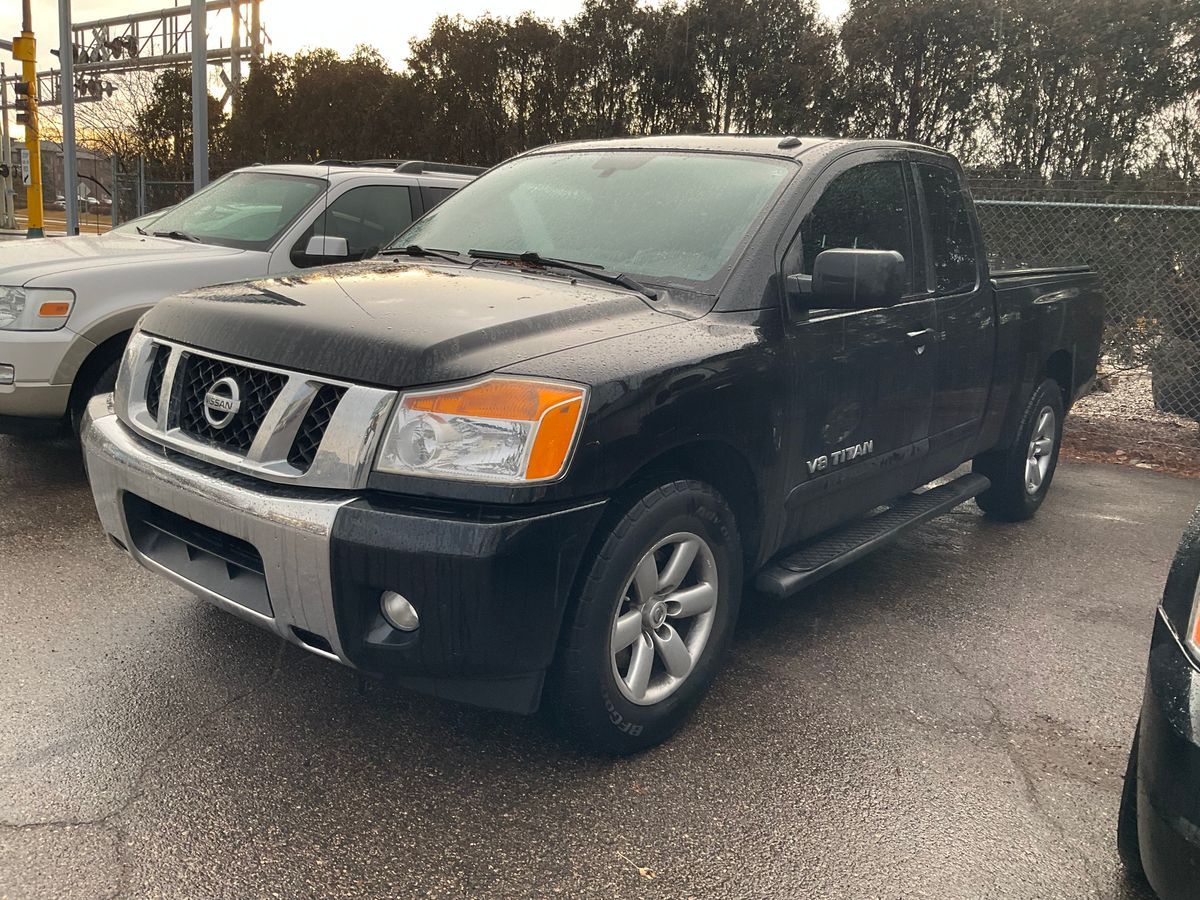

Intermittent performance changes are one of the most confusing issues Nissan owners experience. The vehicle may feel completely normal at times, then suddenly hesitate, lose power briefly, or respond differently when accelerating—only for everything to return to normal moments later. Because the problem comes and goes, it often feels unpredictable and difficult to explain.
At Autopia Bloomington, we frequently see this pattern in Bloomington auto repair cases involving Nissan vehicles. While Nissan models are generally reliable, intermittent performance issues are usually not caused by a single failure. Instead, they develop from small inconsistencies across multiple systems that only appear under certain conditions.
Small Electrical Irregularities That Come And Go
One of the most common causes of intermittent performance changes is electrical inconsistency. Nissan vehicles rely heavily on sensors, modules, and electronic control systems to manage engine performance, fuel delivery, and transmission behavior.
When there is a weak connection, slightly aging wiring, or a battery that is no longer performing at full capacity, voltage can fluctuate. These fluctuations may not always trigger a warning light, but they can affect how the engine responds in real time. The result is performance that feels inconsistent depending on load, temperature, or driving conditions.
Sensor Signals That Become Inconsistent Under Pressure
Modern Nissan engines depend on precise sensor readings to maintain smooth operation. These sensors monitor airflow, throttle position, engine temperature, and fuel delivery.
When a sensor begins to degrade, it may still function normally under light driving conditions but become inconsistent under higher demand. This can cause brief hesitation, uneven acceleration, or slight power loss that disappears once conditions stabilize again. Because the issue is not constant, it can be difficult to detect during a standard inspection.
Transmission Behavior That Changes With Temperature And Load
In many Nissan vehicles, the transmission plays a major role in perceived performance. Intermittent changes in acceleration or responsiveness are often linked to how the transmission reacts under different driving conditions.
If transmission fluid is aging or internal components are beginning to wear, shift timing may vary slightly depending on temperature or driving load. This can create a feeling of delayed response or uneven power delivery that appears and disappears during normal driving.
Fuel System Delivery That Is Not Always Stable
The fuel system is another area where intermittent issues can develop. Fuel injectors, filters, and pressure regulators must deliver consistent fuel flow for smooth performance.
When there is partial restriction or early buildup inside the system, fuel delivery may become slightly inconsistent. The engine may run smoothly at times but hesitate under acceleration or load when demand increases. These symptoms often come and go depending on driving conditions, making the issue harder to isolate.
Airflow Disruptions That Affect Engine Balance
Air intake plays a critical role in engine performance. Nissan engines rely on a precise balance of air and fuel to operate smoothly. If airflow becomes restricted or inconsistent, performance can change without warning.
A partially dirty air filter, minor intake restriction, or unstable airflow sensor reading can cause temporary imbalance in combustion. This may result in brief hesitation or uneven acceleration that disappears once airflow stabilizes again.
Heat-Related Changes In Component Behavior
Temperature is a major factor in intermittent Nissan performance issues. Some components behave differently when they heat up or cool down, especially sensors, electrical connections, and ignition parts.
A vehicle may run perfectly during a cold start but begin showing symptoms after warming up, or vice versa. These heat-related changes often point to early-stage wear that has not yet become a permanent failure.
Ignition Inconsistencies That Appear Only Under Load
The ignition system is responsible for consistent combustion in each cylinder. If spark plugs, ignition coils, or related components begin to weaken, performance issues may only appear under certain conditions.
For example, the engine may idle smoothly but hesitate during acceleration or uphill driving. This is because higher engine load exposes weaknesses that are not noticeable during low-demand operation.
Why Intermittent Problems Are So Difficult To Diagnose
The main challenge with intermittent Nissan performance issues is that they do not stay active long enough to be easily captured. When the vehicle is brought in for inspection, it may behave completely normally.
This makes diagnosis more complex because technicians must rely on patterns, driver feedback, and testing under different conditions rather than a single visible failure. In many cases, the issue only appears when specific environmental or driving conditions are met.
Why These Issues Should Not Be Ignored
Even though intermittent performance changes may seem minor, they often indicate early-stage system wear or instability. Over time, small inconsistencies tend to become more frequent and eventually turn into constant problems.
What begins as occasional hesitation or slight power variation can develop into more noticeable drivability issues, reduced fuel efficiency, or component failure if left unaddressed.
The Role Of Professional Diagnosis
Because multiple systems can contribute to intermittent behavior, proper diagnosis requires a structured and detailed approach. At Autopia Bloomington, our professional vehicle inspections focus on identifying patterns across electrical, fuel, air, and transmission systems to determine the true source of the issue.
Instead of focusing only on symptoms, we evaluate how the vehicle behaves under different conditions to catch inconsistencies that may not appear during standard testing.
Maintaining Long-Term Nissan Performance
Intermittent performance changes are often early warning signs, not random behavior. With consistent Bloomington car maintenance and support from a trusted local mechanic in Bloomington, these issues can be identified early before they develop into more serious repairs.
At Autopia Bloomington, we take a preventative approach to Bloomington auto repair, focusing on early detection and long-term reliability. Because when it comes to Nissan performance, consistency is key—and small changes are often the first sign that something needs attention.