

Blog #236: How Honda Vehicles Develop Long-Term Engine and Transmission Stress
Blog #236: How Honda Vehicles Develop Long-Term Engine and Transmission Stress
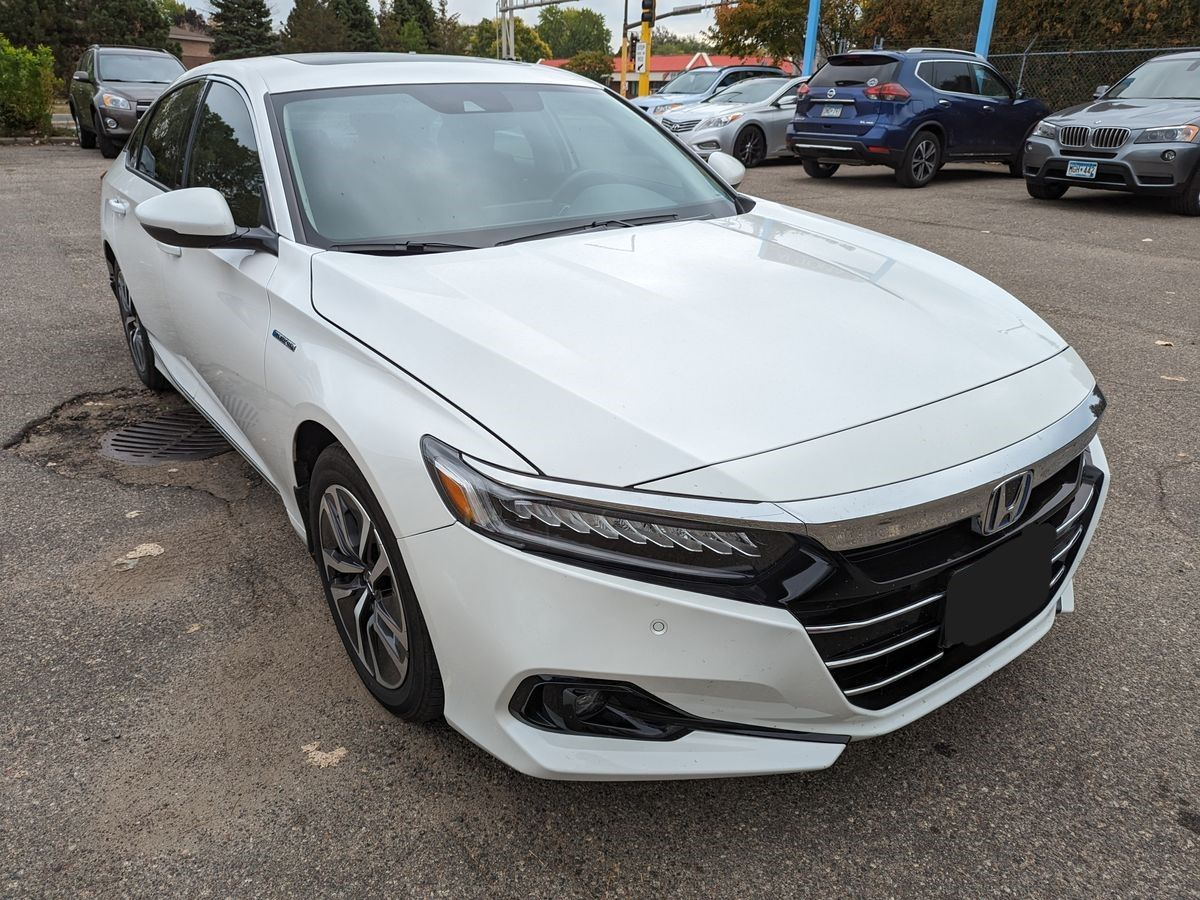

Honda vehicles are widely recognized for reliability, fuel efficiency, and long-term durability. Many drivers choose Honda models because they are known to stay dependable for years with proper care. However, even reliable vehicles gradually develop engine and transmission stress over time. These changes often happen slowly and quietly, making them easy to overlook in the early stages.
At Autopia Bloomington, we regularly see this pattern in Bloomington auto repair cases involving Honda vehicles. Drivers often notice small differences in performance, shifting behavior, or engine responsiveness without realizing these are signs of long-term stress building within the vehicle’s systems.
Daily Driving Gradually Builds Mechanical Stress
Every drive places some level of stress on the engine and transmission. During acceleration, braking, stop-and-go traffic, and highway driving, internal components constantly work under heat and pressure.
Honda vehicles are engineered to handle this efficiently, but over time, repeated use naturally creates wear. Engine parts experience friction, while transmission components continuously manage shifting and power transfer. These changes happen gradually, which is why many drivers do not notice them right away.
Heat Is One Of The Biggest Long-Term Factors
One of the most significant contributors to engine and transmission stress is heat. Modern Honda engines operate at precise temperatures to maximize efficiency and performance. While cooling systems help regulate temperature, years of heat cycles slowly affect fluids, seals, and internal components.
As temperatures rise and fall repeatedly, engine oil and transmission fluid gradually lose some of their protective properties. Once fluids begin breaking down, friction and internal stress increase, even if the vehicle still appears to operate normally.
Transmission Stress Often Develops Slowly
Honda transmissions are designed for smooth and efficient shifting, but transmission systems naturally experience wear as mileage increases. Frequent stop-and-go driving, rapid acceleration, and heavy traffic conditions can all place additional strain on transmission components.
At first, these changes may appear subtle. Drivers may notice slightly delayed shifts, small changes in responsiveness, or less consistent acceleration. Because the symptoms are gradual, they are often mistaken for normal aging rather than signs of developing transmission stress.
Engine Efficiency Changes Over Time
Even well-maintained Honda engines slowly change after years of operation. Carbon buildup, aging ignition components, and airflow inconsistencies can all influence long-term performance.
These changes may reduce engine smoothness and responsiveness little by little. Fuel efficiency can also decline gradually as the engine works harder to maintain the same level of performance it once delivered more easily.
Short Trips Can Increase Long-Term Wear
One overlooked factor in long-term engine stress is frequent short-distance driving. Many Honda vehicles are used for commuting, errands, and local trips that do not allow the engine to fully stabilize at optimal operating temperature.
When the engine repeatedly starts cold and shuts off before fully warming up, moisture and contaminants may not fully clear from the system. Over time, this contributes to increased internal wear and reduced efficiency.
Fluid Condition Directly Affects System Health
Engine oil and transmission fluid play critical roles in protecting Honda vehicles from excessive wear. These fluids lubricate moving parts, reduce heat, and support smooth operation.
As fluids age, contamination and breakdown reduce their ability to protect components effectively. Delayed fluid service can increase stress on internal systems and accelerate long-term wear patterns that may not become visible until much later.
Modern Systems Can Hide Early Warning Signs
Modern Honda vehicles use advanced sensors and computer-controlled systems that continuously adjust performance. These systems are designed to maintain smooth operation even when small irregularities begin developing.
Because the vehicle compensates for early-stage wear, drivers may not notice problems immediately. Instead, the engine or transmission quietly adapts until the stress becomes more noticeable through hesitation, shifting inconsistencies, or reduced efficiency.
Driving Habits Influence Long-Term Reliability
Long-term stress is not only about mileage—it is also shaped by driving habits. Aggressive acceleration, hard braking, frequent towing, and inconsistent maintenance all increase strain on engine and transmission systems.
Meanwhile, smoother driving habits and regular maintenance help reduce unnecessary stress and slow down wear over time. Two Honda vehicles with similar mileage can age very differently depending on how they have been driven and maintained.
Why Professional Inspection Matters
Because engine and transmission stress develops gradually, early warning signs are often subtle. Drivers may notice slight changes in performance without understanding what is causing them.
At Autopia Bloomington, our professional vehicle inspections help identify these early patterns before they become larger mechanical issues. By evaluating fluid condition, transmission behavior, engine performance, and overall system balance, we can detect signs of long-term stress early.
Protecting Long-Term Honda Performance
Honda vehicles are built for durability, but even reliable vehicles require consistent care to manage long-term engine and transmission stress. The goal is not just preventing breakdowns—it is preserving smooth operation and efficiency for as long as possible.
With regular Bloomington car maintenance and support from a trusted local mechanic in Bloomington, Honda owners can reduce long-term wear and extend vehicle life significantly.
At Autopia Bloomington, we take a preventative approach to Bloomington auto repair, focusing on early detection and long-term reliability. Because while engine and transmission stress may build slowly over the years, addressing it early helps keep your Honda performing the way it was designed to.