
The Problem with Cheap Tires: What You Need to Know
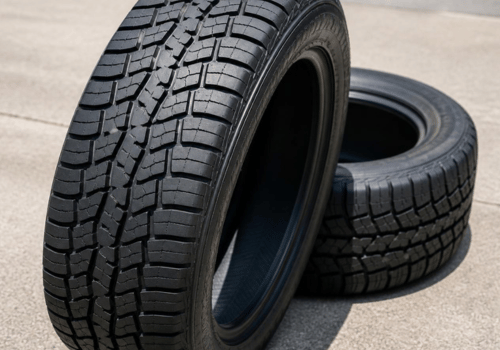
When it’s time to replace your tires, choosing the cheapest option might seem like a smart way to save money. However, cheap tires often come with hidden costs that can affect your vehicle's safety, performance, and long-term expenses. At Autopia Bloomington, we help drivers make informed decisions about their tires to ensure a smooth, safe, and cost-effective driving experience.
The Hidden Dangers of Cheap Tires
1. Poor Traction and Handling
Cheap tires often use lower-quality rubber compounds, which can reduce grip on the road. This can make it harder to stop in wet conditions, increase the risk of hydroplaning, and reduce overall handling, especially in sharp turns or at high speeds.
Solution: Invest in high-quality tires designed for superior traction and stability, ensuring a safer ride in all weather conditions.
2. Faster Wear and Tear
Budget tires tend to wear out much faster than premium alternatives. Their tread depth is often shallower, and they may not be designed to withstand long-term use, leading to more frequent replacements.
Solution: While premium tires may have a higher upfront cost, they last significantly longer, saving you money over time.
3. Increased Risk of Blowouts
Low-cost tires are more prone to cracking, puncturing, or even sudden blowouts. Their weaker materials and construction can make them vulnerable to road hazards such as potholes and debris.
Solution: Choose well-constructed tires that provide durability and resilience against unexpected road conditions.
4. Reduced Fuel Efficiency
Tires play a significant role in your vehicle’s fuel consumption. Cheap tires often have higher rolling resistance, meaning your engine has to work harder to move your car forward, leading to increased fuel usage.
Solution: High-quality tires with lower rolling resistance improve fuel efficiency and help you save at the pump.
5. Noisy and Uncomfortable Ride
Inexpensive tires typically lack advanced noise-reduction technology and proper shock absorption, resulting in a rough and noisy ride. Over time, this can make long drives more uncomfortable and tiring.
Solution: Opt for tires designed with noise-reducing features and superior ride comfort.
How to Extend the Life of Your Tires
Even with premium tires, proper maintenance is essential for longevity and performance.
Follow these essential tire care tips:
- Check Tire Pressure Regularly: Underinflated or overinflated tires wear unevenly and reduce fuel efficiency.
- Rotate Your Tires Every 5,000–7,500 Miles: Ensures even wear and extends the lifespan of your tires.
- Get Regular Wheel Alignments: Prevents uneven tread wear and improves handling.
- Inspect for Damage: Look for cracks, bald spots, or punctures to prevent unexpected failures.
Why Choose Autopia Bloomington for Your Tire Needs?
At Autopia Bloomington, we specialize in high-quality tire services designed to keep your vehicle running at its best.
Our expert technicians offer:
- Tire Pressure Checks & Adjustments
- Tire Rotation Services
- Wheel Alignment for Smooth Handling
- Comprehensive Tire Inspections & Replacements
We only recommend durable, high-performance tires that match your budget and driving needs, ensuring safety and efficiency on the road.
Don't Compromise on Safety – Schedule Your Tire Service Today!
Your tires are one of the most critical components of your vehicle. Avoid the risks associated with cheap, low-quality options and invest in reliable, long-lasting tires.
Book your tire service at Autopia Bloomington today!