
The Real Reason Your Car Shakes at High Speeds (And How to Fix It Fast)
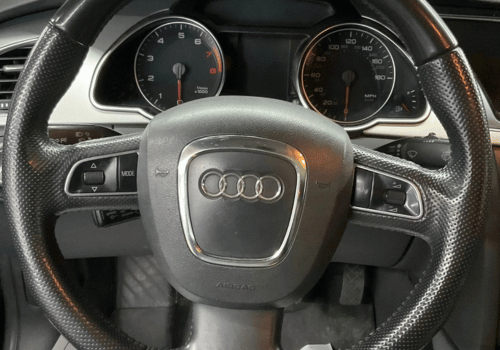
Does your car shake or vibrate when you’re driving at highway speeds? A shaky car isn’t just annoying—it’s a sign of underlying mechanical issues that could worsen over time. Ignoring the problem can lead to expensive repairs, reduced fuel efficiency, and even unsafe driving conditions.
At Autopia Bloomington, our expert mechanics specialize in diagnosing and fixing the root causes of car vibrations to ensure a smooth, safe, and comfortable ride. Keep reading to learn the real reasons your car shakes at high speeds and what you can do to fix it.
Why Does Your Car Shake?
Several factors can cause your car to vibrate, especially at higher speeds. Identifying the root cause is essential for preventing further damage and costly repairs.
1. Unbalanced or Worn-Out Tires
Symptoms: Your car vibrates at certain speeds, and the steering wheel shakes.
Fix: Get a tire balancing and rotation to even out wear patterns and improve stability.
Over time, tires wear unevenly, which can cause the car to shake—especially if they’re not properly balanced or aligned. A quick tire inspection can determine if they need rotation, balancing, or replacement.
2. Wheel Alignment Issues
Symptoms: The car pulls to one side, and the steering feels off.
Fix: A professional wheel alignment corrects uneven wear and improves handling.
Misaligned wheels cause instability and uneven tire wear, leading to your car shaking or pulling to one side. A proper alignment check can restore balance and ensure a smoother ride.
3. Suspension Problems
Symptoms: The car feels rough over bumps, and vibrations worsen at higher speeds.
Fix: Inspect and replace worn-out shocks, struts, or bushings.
Your suspension system absorbs bumps and keeps your car stable. If key components like shock absorbers or struts wear out, your car can feel unstable and shaky.
4. Brake System Issues
Symptoms: Vibrations occur when braking, especially at high speeds.
Fix: Replace warped brake rotors or worn brake pads.
If you feel shaking while applying the brakes, your brake rotors may be warped. This can reduce braking efficiency and put your safety at risk. A simple brake inspection can determine if new rotors or pads are needed.
5. Engine or Transmission Problems
Symptoms: The car shakes when accelerating, idling, or shifting gears.
Fix: A professional engine diagnosis to check for misfires, spark plug issues, or transmission faults.
Engine misfires, faulty spark plugs, or fuel system problems can cause the car to vibrate when accelerating. If your car shakes at idle or when shifting gears, it may be a transmission issue. A complete engine diagnostic test can pinpoint and fix the problem.
6. Damaged Axles or Driveshaft
Symptoms: The shaking gets worse the faster you drive.
Fix: Inspect and replace damaged axles or driveshafts.
If you’ve hit a pothole, curb, or speed bump too hard, you could have bent an axle or driveshaft, causing intense shaking. A thorough inspection of the undercarriage can reveal any damage.
How to Fix a Shaking Car
If your car is shaking, the best approach is to identify and fix the root cause as soon as possible.
Here’s what you can do:
- Get a Full Tire Inspection – Check for uneven wear, alignment issues, and proper balancing.
- Schedule a Wheel Alignment – Ensures your car drives straight and prevents premature tire wear.
- Check Your Suspension System – Replace any worn-out shocks, struts, or bushings for a smoother ride.
- Inspect Your Brakes – Warped rotors or worn brake pads should be replaced immediately.
- Run an Engine & Transmission Diagnosis – This will detect misfires, spark plug issues, or transmission faults.
- Check the Axles & Driveshaft – A bent axle needs professional repair to prevent further damage.
At Autopia Bloomington, we provide comprehensive diagnostics and expert repairs to eliminate car vibrations and keep your vehicle running at peak performance.
Why Choose Autopia Bloomington?
- Expert Technicians – Our skilled mechanics specialize in suspension, brakes, tires, and engine diagnostics.
- State-of-the-Art Equipment – We use modern tools to quickly and accurately diagnose issues.
- Affordable & Reliable Repairs – We offer competitive pricing and long-lasting solutions to keep you on the road safely.
- Customer Satisfaction Guaranteed – We prioritize your safety and vehicle performance.
Schedule Your Car Inspection Today!
A shaking car isn’t just an inconvenience—it’s a warning sign of potential mechanical failure. Don’t wait until a small issue becomes a major repair! At Autopia Bloomington, we’ll pinpoint the problem and fix it fast, so you can drive with confidence.
Book your appointment today for a smoother, safer ride!