

Blog #101: Audi Smart Maintenance: How to Future-Proof Your High-Tech Drive
Blog #101: Audi Smart Maintenance: How to Future-Proof Your High-Tech Drive
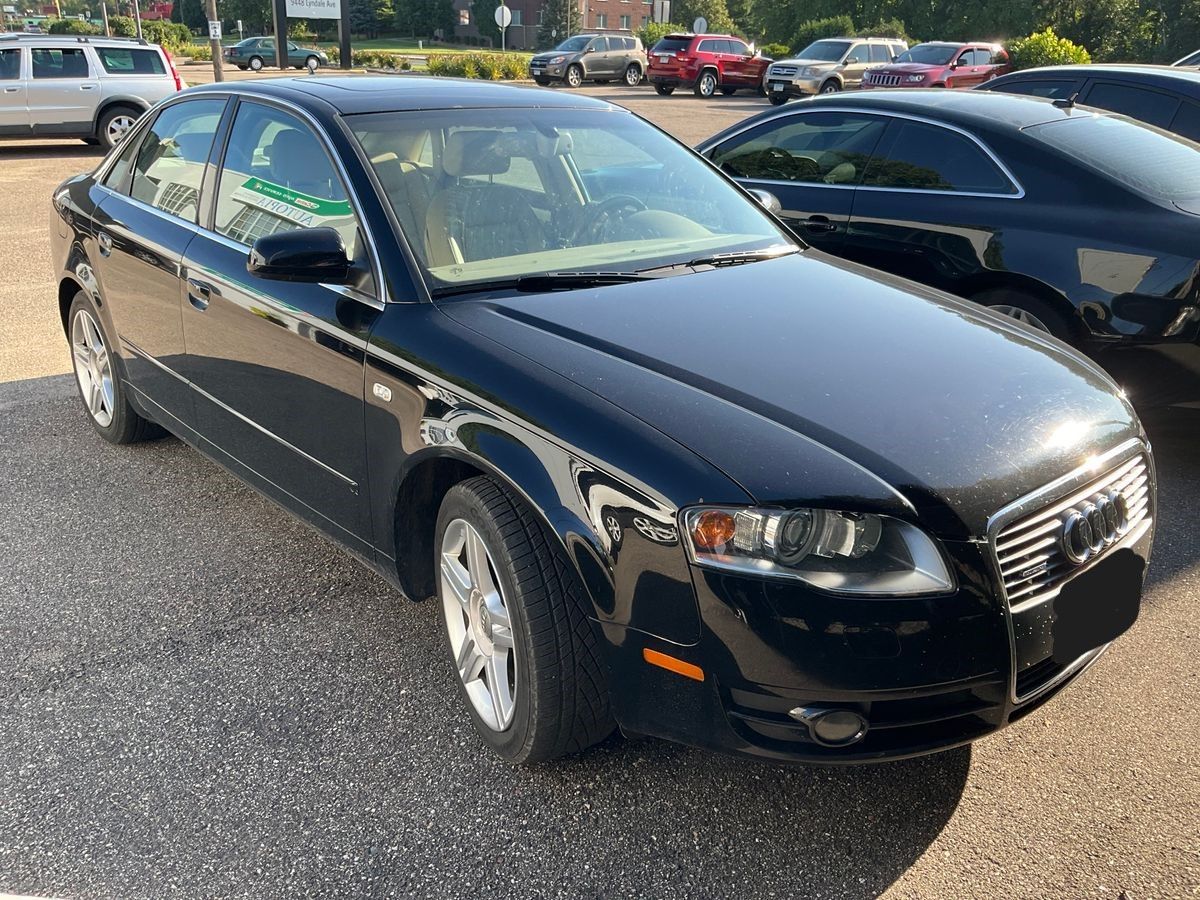
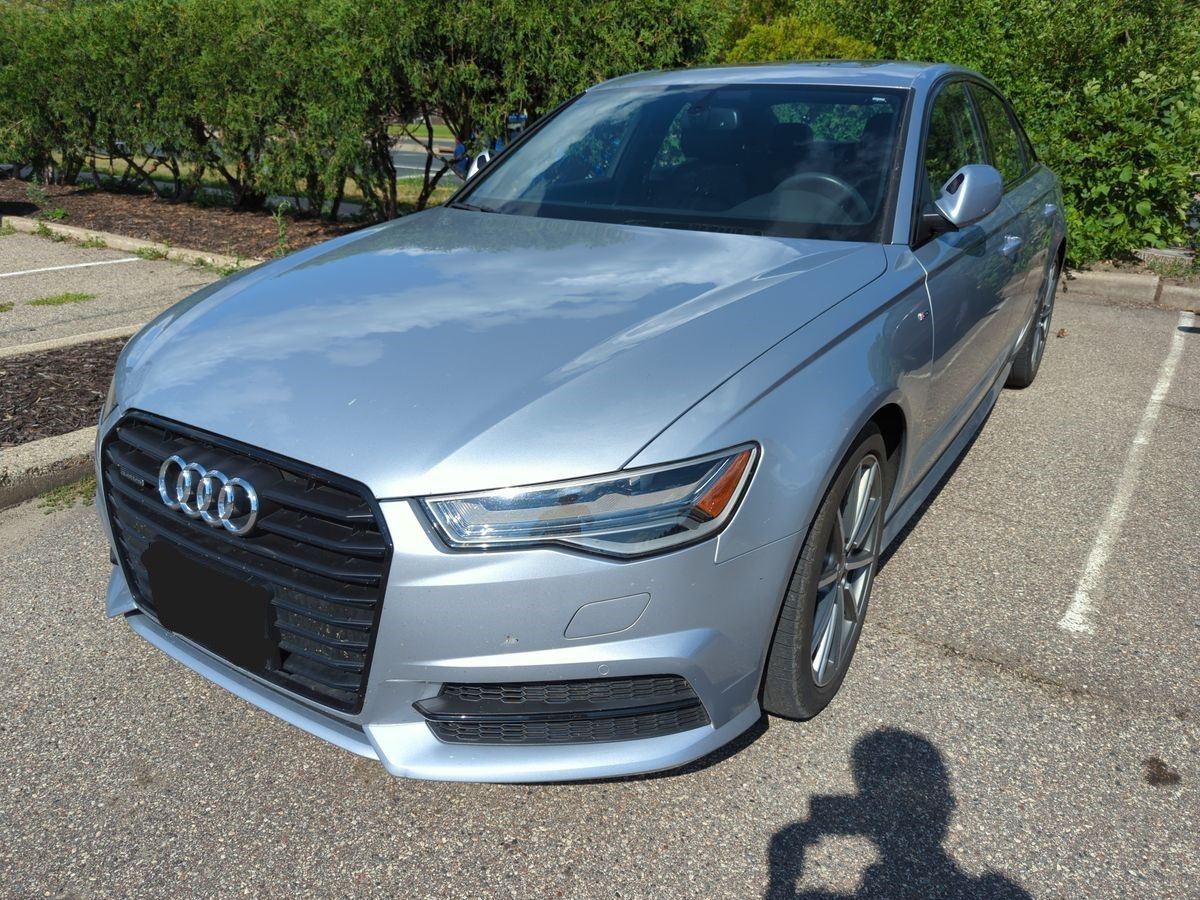
At Autopia Bloomington, we understand what sets Audi vehicles apart—precision engineering, cutting-edge tech, and performance that’s nothing short of thrilling. But as Audis become smarter, maintenance can’t just be routine—it has to be proactive and tech-savvy.
In this blog, we’ll uncover the maintenance habits that keep your Audi running at peak performance and prevent your smart systems from silently failing.
Why Audi Maintenance Isn’t Just “Oil Changes Anymore”
Modern Audi models come equipped with advanced driver-assist systems, digital interfaces, and computer-controlled powertrains. While the dashboard may not always signal trouble, issues can quietly build in the background—and by the time a warning appears, you may already be facing a costly repair.
That’s why Bloomington drivers choose Autopia Bloomington for smarter, diagnostic-driven Audi care.
1. Don’t Ignore Software Updates
Problem:
Outdated software can affect fuel efficiency, safety features, infotainment systems, and even sensor accuracy.
Solution:
Schedule regular diagnostic checks. We’ll update your Audi’s software and check for manufacturer advisories to keep everything optimized.
2. Adaptive Cruise & Lane Assist Calibration
Problem:
After a windshield replacement or front-end repair, these systems can fall out of alignment—even if the car “seems fine.”
Solution:
Have your lane assist, adaptive cruise, and other ADAS (Advanced Driver Assistance Systems) recalibrated at Autopia Bloomington after repairs or bodywork.
3. Battery Maintenance for Modern Electronics
Problem:
Audi vehicles have more tech than ever—power-hungry features like virtual cockpits, sensors, and MMI systems strain the battery.
Solution:
We test voltage and charging systems regularly to prevent inconvenient failures. Don’t wait for the battery warning light—it’s usually too late by then.
4. Transmission & Quattro System Servicing
Problem:
The Quattro all-wheel-drive system and advanced dual-clutch transmissions require precise fluid maintenance. Missed intervals can lead to drivetrain wear or jerky performance.
Solution:
Follow your service schedule, or better—ask Autopia Bloomington for a personalized maintenance plan based on your driving habits and mileage.
5. HVAC & Cabin Air Filtration
Problem:
A weak AC or funky odor isn’t just annoying—it could indicate clogged filters, mold buildup, or failing cabin sensors, which impact air quality and system health.
Solution:
Let us replace your filters regularly and inspect your system for proper airflow and sensor function—especially before winter or long drives.
Frequently Asked Questions (FAQ)
Q: Can I get Audi software updates outside the dealership?
Yes. At Autopia Bloomington, we perform authorized software checks and updates that meet manufacturer standards.
Q: How often should I service my Audi’s Quattro system?
Typically every 35,000–50,000 miles, depending on your model. We’ll customize the plan to fit your exact vehicle and driving style.
Q: Is recalibration really necessary after a windshield or bumper repair?
Yes. ADAS features rely on precise sensor alignment. Even slight shifts can cause false readings or delayed reactions.
Q: Do I have to go to the dealership to maintain my warranty?
No. We use OEM-approved parts and procedures that fully protect your Audi’s warranty.
Q: My Audi feels fine—do I still need maintenance?
Absolutely. Many high-tech failures are silent at first. Smart maintenance prevents expensive surprises down the road.
Ready to Future-Proof Your Audi?
Don’t wait for dashboard warnings. Trust Autopia Bloomington for advanced Audi diagnostics, personalized care, and honest service that protects your vehicle and your wallet.
Schedule your Audi performance check today and drive with total confidence—now and years from now.