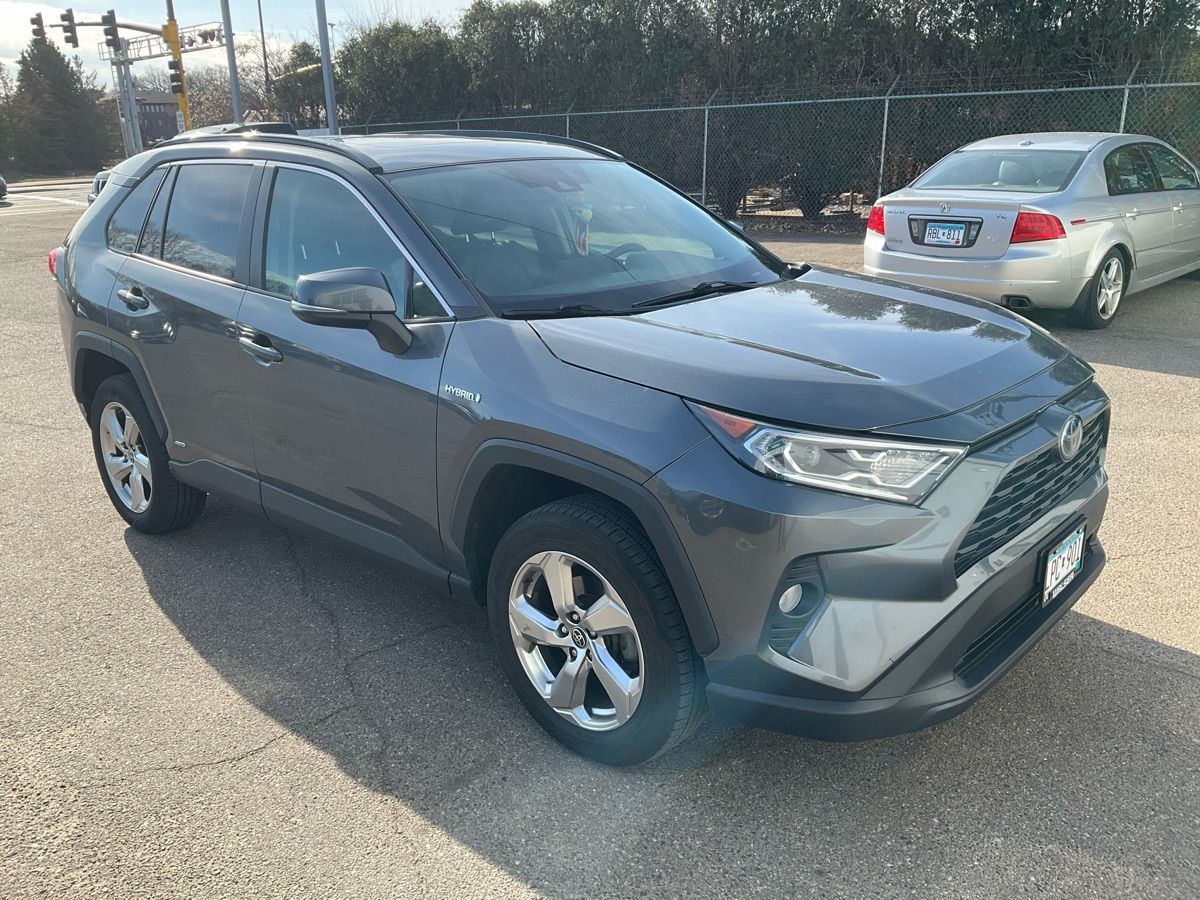


Blog #113: Volvo Safety in Bloomington: The Overlooked Feature That Could Save Lives
nicklawson311 • August 13, 2025

Blog #113: Volvo Safety in Bloomington: The Overlooked Feature That Could Save Lives
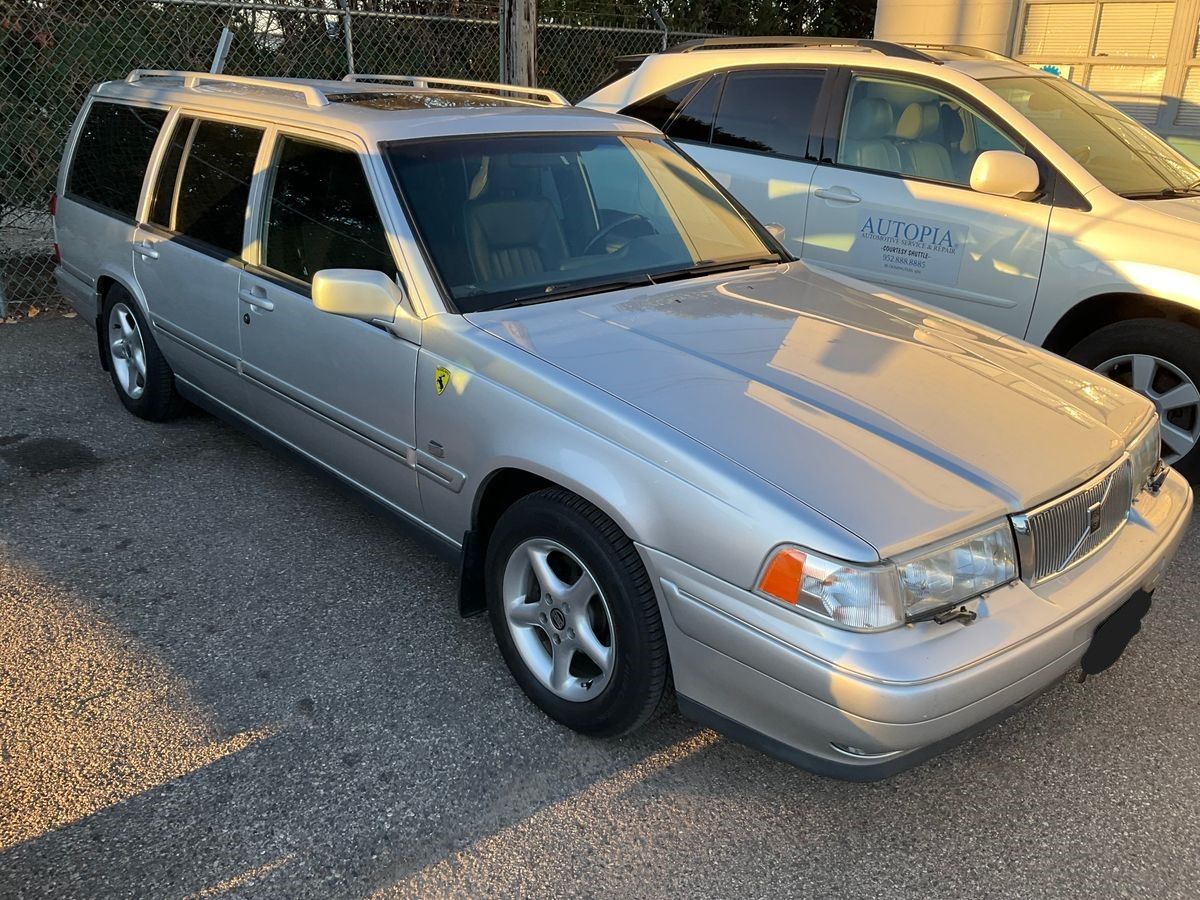
Autopia Bloomington is known for keeping vehicles in peak condition — and for Volvo owners, that means making the most of the brand’s legendary safety technology. While Volvo is celebrated for advanced crash prevention systems and robust build quality, there’s one safety feature many drivers forget to check: the Driver Alert Control system (or other driver-assistance calibrations). Neglecting it could impact your safety more than you think.

Why This Feature Matters

The Driver Alert Control system monitors your steering patterns, lane position, and other driving behaviors to detect signs of fatigue or distraction. If something’s off, it warns you to take a break. But here’s the catch — if the sensors aren’t regularly maintained or calibrated, they may fail to detect real issues or trigger false alarms.

Common Reasons This Feature Gets Overlooked

  1. It’s Always “Working in the Background” – Because it doesn’t need to be manually activated every trip, it’s easy to forget it’s even there.
  2. Drivers Mistake Alerts for Glitches – Some think the warnings are random or unnecessary and ignore them, when in fact, it may be signaling a serious issue.
  3. No Warning for Calibration Needs – Unlike an oil change reminder, you won’t get a dashboard alert telling you the system needs checking.

How Bloomington Roads Affect Sensor Accuracy

Bloomington’s varied road conditions — from icy winters to rainy spring seasons — can cause sensor misalignments. Dirt, ice, and even minor fender benders can reduce the system’s ability to read lane markings or detect subtle changes in your driving.

When to Have It Checked at Autopia Bloomington

  • After a windshield replacement (camera sensors may need recalibration)
  • Following any front-end collision, even a minor one
  • If you notice repeated false alerts or no alerts at all
  • Every 12 months as part of your preventative maintenance

FAQ: Volvo Safety Feature Checks

Q: Is this feature only for newer Volvo models?
A: Most modern Volvos have some form of driver-alert or lane-assist technology, but older models may not. Check your owner’s manual for details.

Q: Can I clean or fix the sensors myself?
A: You can keep them free from dirt and debris, but calibration requires specialized tools and software that only professional service centers like
Autopia Bloomington can provide.

Q: How long does a calibration take?
A: Typically 30–60 minutes, depending on the system and your vehicle’s condition.

Q: Is this covered under warranty?
A: It depends on your Volvo warranty and the nature of the service. We can help you check before performing any work.

Drive Safer with Autopia Bloomington

Whether you’re tackling Bloomington’s icy highways or enjoying a summer road trip, making sure your Volvo’s safety features are fully operational is essential. Autopia Bloomington can quickly inspect, clean, and recalibrate these systems so they perform exactly as designed — keeping you and your passengers protected. Schedule your Volvo safety check today and drive with confidence.
Schedule an Appointment
How Nissan Engines Show Gradual Combustion Efficiency Changes - Autopia Auto Repair
By nicklawson311 June 5, 2026
One of the most common yet least noticeable developments is a gradual shift in combustion efficiency. Unlike a sudden mechanical failure, these changes occur slowly over time, often without triggering warning lights or creating obvious drivability problems.
Why Subaru Vehicles Require Deeper Diagnostics for Subtle Performance Issues - Autopia Auto Repair
By nicklawson311 June 5, 2026
The challenge is not that these vehicles are unreliable, but that their systems are designed to adapt and compensate, which can hide early warning signs. This is why Subaru performance diagnostics often require deeper inspection methods than standard checks.
Why Kia Cars Show Subtle Changes in Power Delivery Over Time - Autopia Auto Repair
By nicklawson311 June 4, 2026
At Autopia Bloomington, we often see this pattern in Bloomington auto repair cases involving Kia models. These changes are usually gradual, not sudden, and they develop as multiple small systems begin to shift with age and use.
Why Mazda Cars Can Lose Smooth Acceleration Without Warning Signs - Autopia Auto Repair
By nicklawson311 May 29, 2026
Smooth acceleration depends on how efficiently the engine responds to driver input. In Mazda vehicles, this response can slowly change as small internal shifts develop over time.
Why Chevrolet Vehicles Experience Gradual Fuel Delivery Imbalances - Autopia Auto Repair
By nicklawson311 May 28, 2026
Оver time, many Chevrolet vehicles begin developing gradual fuel delivery imbalances that affect performance in subtle ways before becoming more noticeable.
How Honda Vehicles Develop Long-Term Engine and Transmission Stress - Autopia Auto Repair
By nicklawson311 May 28, 2026
Even reliable vehicles gradually develop engine and transmission stress over time. These changes often happen slowly and quietly, making them easy to overlook in the early stages.
How Chevrolet Vehicles Respond to Long-Term Road Condition Stress - Autopia Auto Repair
By nicklawson311 May 22, 2026
Chevrolet vehicles are built to handle a wide range of driving environments, from smooth highways to rough city roads. Over time, however, even well-built vehicles begin to show the effects of long-term road condition stress.
What Causes Nissan Vehicles to Develop Intermittent Performance Changes - Autopia Auto Repair
By nicklawson311 May 22, 2026
While Nissan models are generally reliable, intermittent performance issues are usually not caused by a single failure. Instead, they develop from small inconsistencies across multiple systems that only appear under certain conditions.
Why Toyota Vehicles Develop Performance Changes Even With Regular Use - Autopia Auto Repair
By nicklawson311 May 22, 2026
While these vehicles are built to last, every car still experiences gradual performance shifts over time—even with regular use and proper maintenance.
What Leads to Progressive Changes in Vehicle Operation Over Years - Autopia Auto Repair
By nicklawson311 May 15, 2026
Progressive changes in vehicle operation are normal—but they are not random. They are the result of long-term wear, habits, and environmental stress working together.