
Blog #120: Oil Leak Repair in Bloomington: Why That Small Spot in Your Driveway Could Mean Big Trouble
Blog #120: Oil Leak Repair in Bloomington: Why That Small Spot in Your Driveway Could Mean Big Trouble
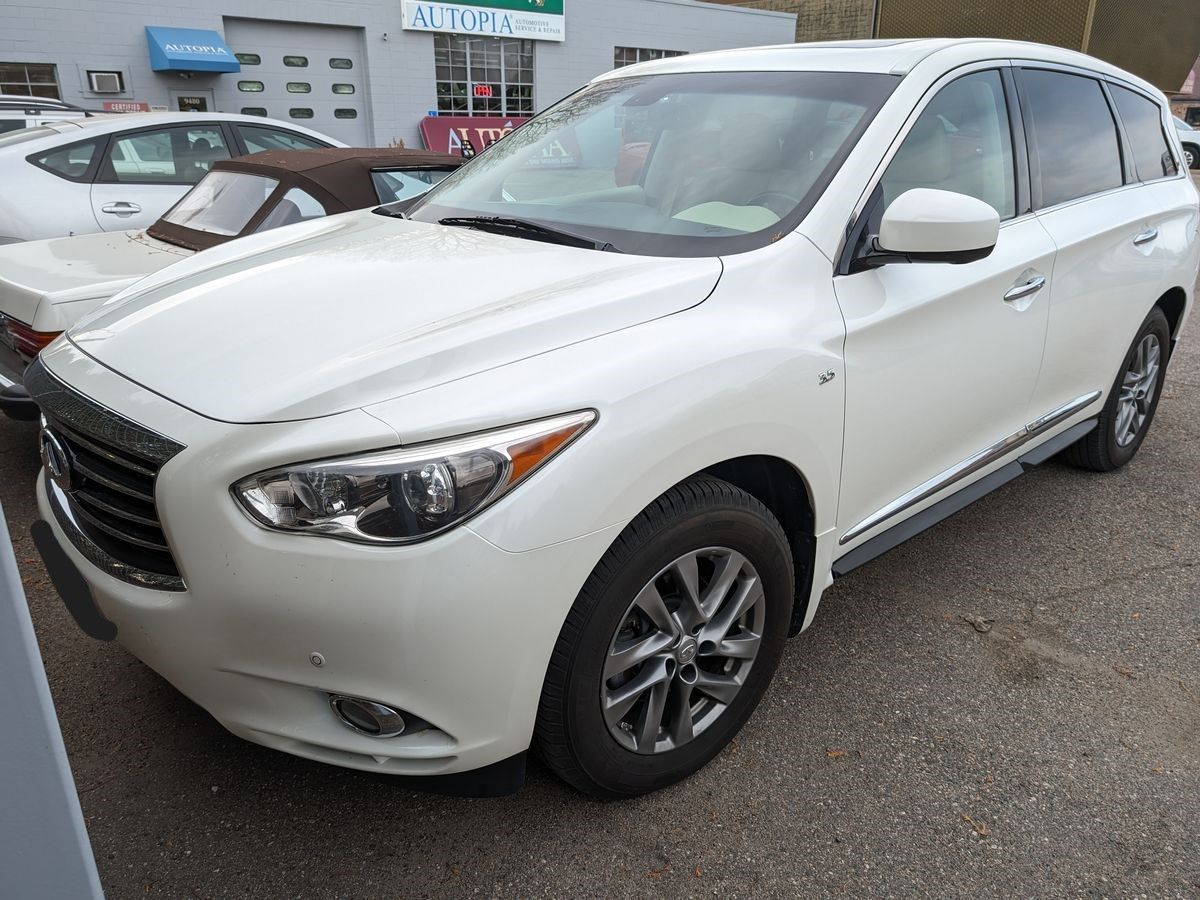
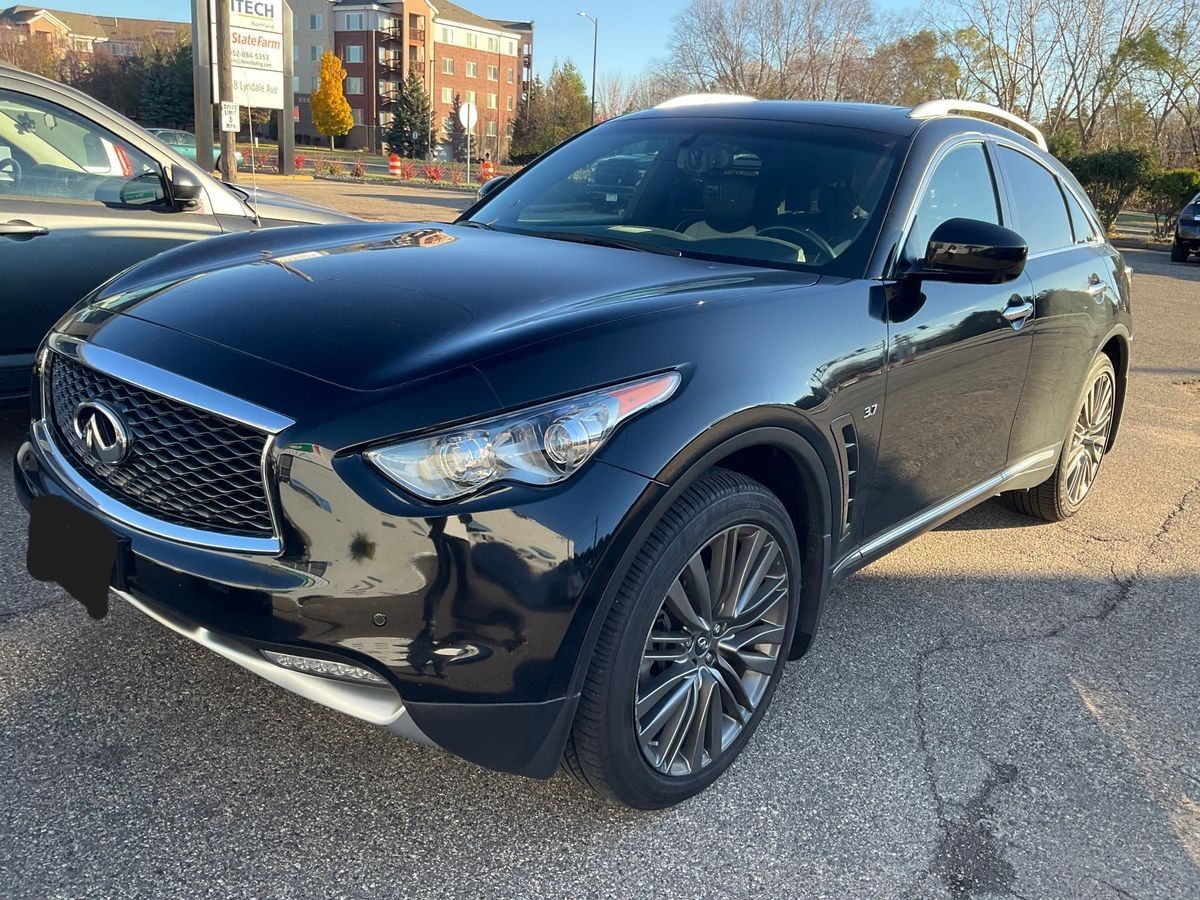
Have you noticed a small, dark spot forming under your car in the driveway or garage? Many Bloomington drivers shrug it off, thinking, “It’s just a little oil, no big deal.” But the truth is—even a minor oil leak can signal bigger problems that affect your engine’s health, your safety, and even your wallet.
At
Autopia Bloomington, we see this all the time: drivers who ignore oil spots until the problem becomes serious. Oil leaks may start small, but left unchecked, they can lead to costly repairs and even engine failure.
If you’ve spotted oil under your car, this guide will explain why it matters, the most common causes, and how to fix it before it becomes a major issue.
Why Oil Leaks Should Never Be Ignored
Your engine oil isn’t just lubrication—it’s the lifeblood of your vehicle. It keeps moving parts from grinding together, reduces friction, and helps prevent overheating. When you lose oil through a leak, your engine works harder than it should, leading to:
- Engine damage from lack of lubrication.
- Overheating due to increased friction.
- Poor performance and reduced fuel efficiency.
- Costly repairs that could have been avoided with early detection.
What starts as a few drops in your driveway could eventually lead to a seized engine. That’s why at Autopia Bloomington, we recommend addressing oil leaks right away.
Common Causes of Oil Leaks
Knowing the root cause of an oil leak is the first step toward fixing it. Here are the most common culprits:
1. Worn Out Gaskets and Seals
Gaskets and seals keep oil where it belongs. Over time, they can wear out or crack, especially in Bloomington’s harsh winter-to-summer temperature swings.
2. Loose or Damaged Oil Pan
Your oil pan sits at the bottom of the engine and is vulnerable to damage from road debris, potholes, and curbs. A dented or punctured pan can easily cause leaks.
3. Faulty Oil Filter or Drain Plug
If your oil filter is not properly installed or the drain plug is loose or damaged, oil can slowly leak out.
4. Valve Cover Gasket Failure
This is one of the most common sources of leaks. If you smell burning oil while driving, it could be oil dripping onto hot engine parts.
5. Damaged Oil Cooler Lines
Some vehicles have oil cooler lines that can crack or break down over time, leading to leaks.
6. Crankshaft or Camshaft Seals
These seals are crucial for keeping oil contained inside the engine. When they wear out, leaks become inevitable.
Signs Your Car Has an Oil Leak
Sometimes the leak is obvious, other times it’s more subtle. Watch out for these signs:
- Spots or puddles under your car (brown, black, or amber-colored).
- Burning oil smell while driving.
- Blue smoke from the exhaust.
- Low oil levels despite recent top-ups.
- Warning lights on your dashboard.
If you notice any of these symptoms, it’s time to schedule a checkup at Autopia Bloomington.
What To Do If You Spot an Oil Leak
- Don’t Ignore It – Even small leaks can cause big problems.
- Check Oil Levels – Top up your oil if it’s low, but don’t rely on this as a permanent fix.
- Schedule an Inspection – Have professionals identify and fix the root cause before it leads to engine failure.
At Autopia Bloomington, we use state-of-the-art diagnostics to pinpoint leaks quickly and recommend the most effective repair.
How to Prevent Oil Leaks in Bloomington
Prevention is always better than repair. Bloomington drivers can reduce the risk of oil leaks by following these tips:
- Regular oil changes (don’t delay them).
- Use high-quality oil and filters.
- Have gaskets and seals inspected during routine maintenance.
- Address dashboard warning lights immediately.
- Drive carefully on rough winter roads to avoid oil pan damage.
A little proactive care goes a long way toward keeping your vehicle leak-free.
Why Fixing Oil Leaks Helps Your Wallet (and the Environment)
An oil leak doesn’t just affect your car—it impacts your finances and the planet, too.
- Cost savings: Early repairs prevent expensive engine damage.
- Fuel efficiency: Engines with proper oil levels run smoother.
- Environmental protection: Oil leaks harm Bloomington’s roads, driveways, and waterways. Fixing them keeps toxic fluids out of the environment.
FAQ: Oil Leaks in Bloomington
Q: Is it safe to drive with a small oil leak?
A: While you may be able to drive short distances, it’s risky. Oil leaks can worsen quickly and cause severe engine damage.
Q: How much does it cost to fix an oil leak?
A: Costs vary depending on the cause—from a simple oil filter replacement to a major gasket repair. At Autopia Bloomington, we provide upfront estimates before any work is done.
Q: How do I know if the spot in my driveway is oil?
A: Oil is typically dark brown or black and feels slick to the touch. Other fluids (like coolant or transmission fluid) look and feel different.
Q: Can I just keep adding oil instead of fixing the leak?
A: No. Constantly topping off oil doesn’t address the root problem, and leaks will only get worse over time.
Q: How often should Bloomington drivers check their oil levels?
A: At least once a month, especially before long trips or after rough winter driving.
Stop Ignoring the Spots—Schedule Oil Leak Repair at Autopia Bloomington
That little spot in your driveway isn’t harmless—it’s your car telling you something’s wrong. From worn-out gaskets to oil pan damage, leaks should always be addressed before they become a bigger, more expensive problem.
At
Autopia Bloomington, our experienced technicians are experts at diagnosing and repairing oil leaks. Whether it’s a minor fix or a more complex repair, we’ll make sure your car is running smoothly and leak-free.
Don’t wait until a small leak turns into major engine damage—schedule your oil leak inspection at Autopia Bloomington today and drive with confidence.