
Blog #126: Honda Engine Care: Secrets to Longevity You Shouldn’t Ignore in Bloomington
Blog #126: Honda Engine Care: Secrets to Longevity You Shouldn’t Ignore in Bloomington

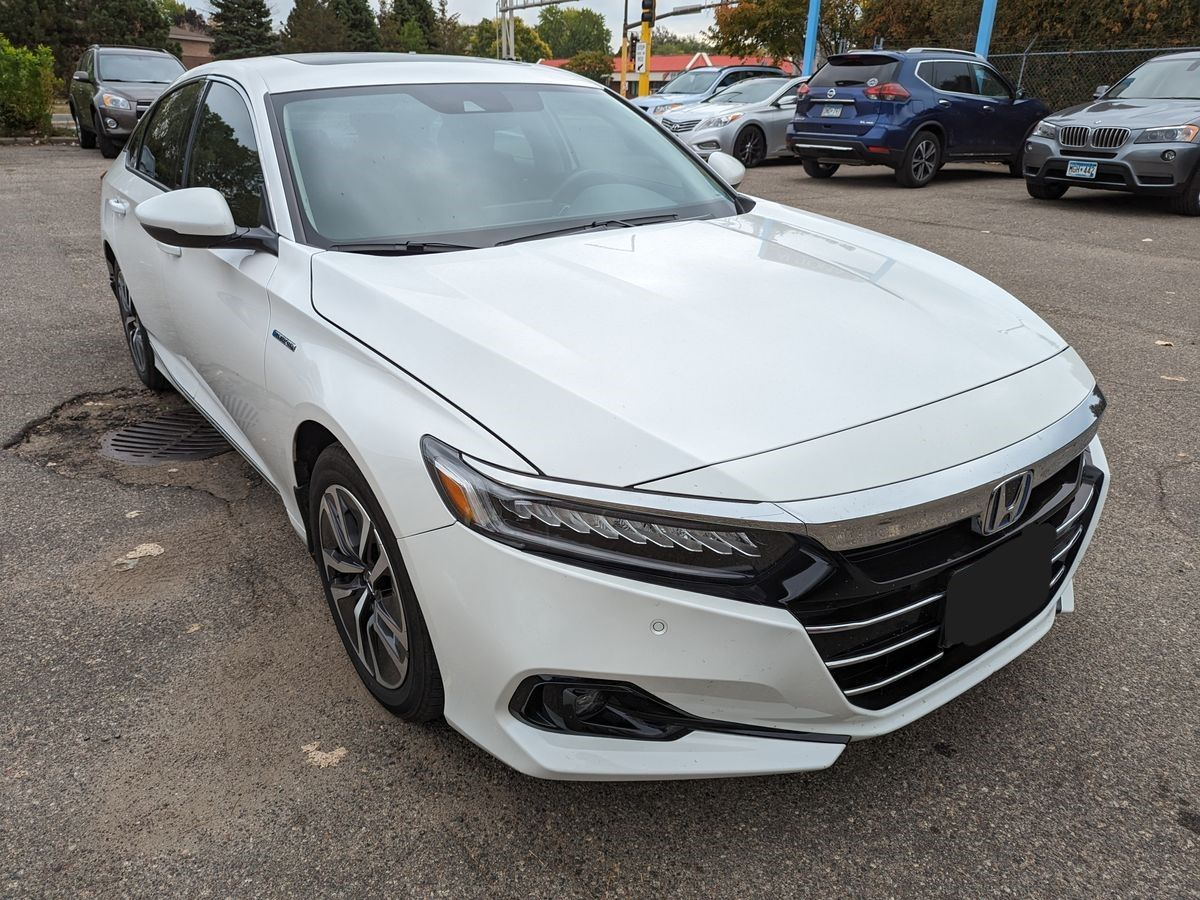
At Autopia Bloomington, we know that Honda owners value reliability, efficiency, and smooth performance. But even the most dependable engines need proper care to stay in top shape. Ignoring small maintenance tasks can lead to expensive repairs and shorten your vehicle’s lifespan.
In this guide, we’ll reveal the key strategies for keeping your Honda engine healthy, helping you maximize performance and avoid unexpected breakdowns.
Why Regular Honda Engine Maintenance Matters
Honda engines are engineered for precision, but they aren’t immune to wear and tear. Routine maintenance ensures:
- Optimal performance: A well-maintained engine runs smoothly, responds quickly, and maintains fuel efficiency.
- Longer lifespan: Catching minor issues early prevents major damage.
- Lower repair costs: Preventative care is far less expensive than engine rebuilds or replacements.
Top Honda Engine Maintenance Tips
1. Stick to Oil Change Schedules
Why it matters: Engine oil lubricates components, reduces friction, and prevents overheating. Skipping oil changes can lead to sludge buildup and premature engine wear.
Smart fix: Follow Honda’s recommended intervals, and let our technicians at Autopia Bloomington check oil quality and select the right type for your vehicle.
2. Monitor Coolant Levels
Why it matters: Coolant prevents overheating and protects engine components from corrosion. Low or dirty coolant can cause overheating and major engine damage.
Smart fix: Check coolant levels regularly, and have it flushed or replaced as needed. Our team ensures your Honda’s cooling system is in peak condition.
3. Inspect Belts and Hoses
Why it matters: Timing belts, serpentine belts, and hoses are critical for engine function. Worn belts or cracked hoses can lead to engine failure or breakdowns.
Smart fix: Have belts and hoses inspected during routine service. At Autopia Bloomington, we replace components proactively to prevent costly damage.
4. Maintain the Air and Fuel Systems
Why it matters: Dirty air filters or fuel injectors reduce efficiency and can cause misfires or stalling.
Smart fix: Replace air filters regularly and consider fuel system cleaning during scheduled maintenance. Our team ensures your engine breathes clean air and receives proper fuel flow.
5. Pay Attention to Warning Signs
Why it matters: Engine noise, vibrations, or dashboard warning lights are early indicators of potential problems. Ignoring them can escalate minor issues into major repairs.
Smart fix: Don’t wait—schedule a diagnostic check at Autopia Bloomington. Early detection saves money, stress, and prevents further damage.
Additional Tips for Long-Lasting Honda Engines
- Use high-quality OEM or equivalent parts for replacements.
- Avoid short trips that don’t allow the engine to reach optimal operating temperature.
- Keep the engine bay clean to prevent debris buildup and overheating.
FAQ: Honda Engine Care
Q: How often should I change my Honda’s oil?
A: Most models recommend every 5,000–7,500 miles, but check your owner’s manual for specifics.
Q: Can I drive if my coolant is low?
A: It’s risky. Low coolant can cause overheating and serious engine damage. Top it up immediately or have it checked professionally.
Q: How do I know if my timing belt needs replacement?
A: Look for fraying, cracks, or unusual engine noises. Typically, Honda recommends replacing timing belts every 60,000–100,000 miles depending on the model.
Q: Are Honda engines reliable for long-term use?
A: Yes, with proper maintenance, many Honda engines last well over 200,000 miles. Routine care is key to longevity.
Q: Does Autopia Bloomington perform Honda engine diagnostics?
A: Absolutely. Our technicians are trained to diagnose and service all Honda engine issues, ensuring optimal performance and safety.
Protect Your Honda Engine with Autopia Bloomington
Your Honda is built to last—but it thrives when you stay proactive with maintenance. From oil changes to belt inspections and system diagnostics, Autopia Bloomington provides the expert care your engine deserves. Schedule your next service today and enjoy a smoother, longer-lasting ride.