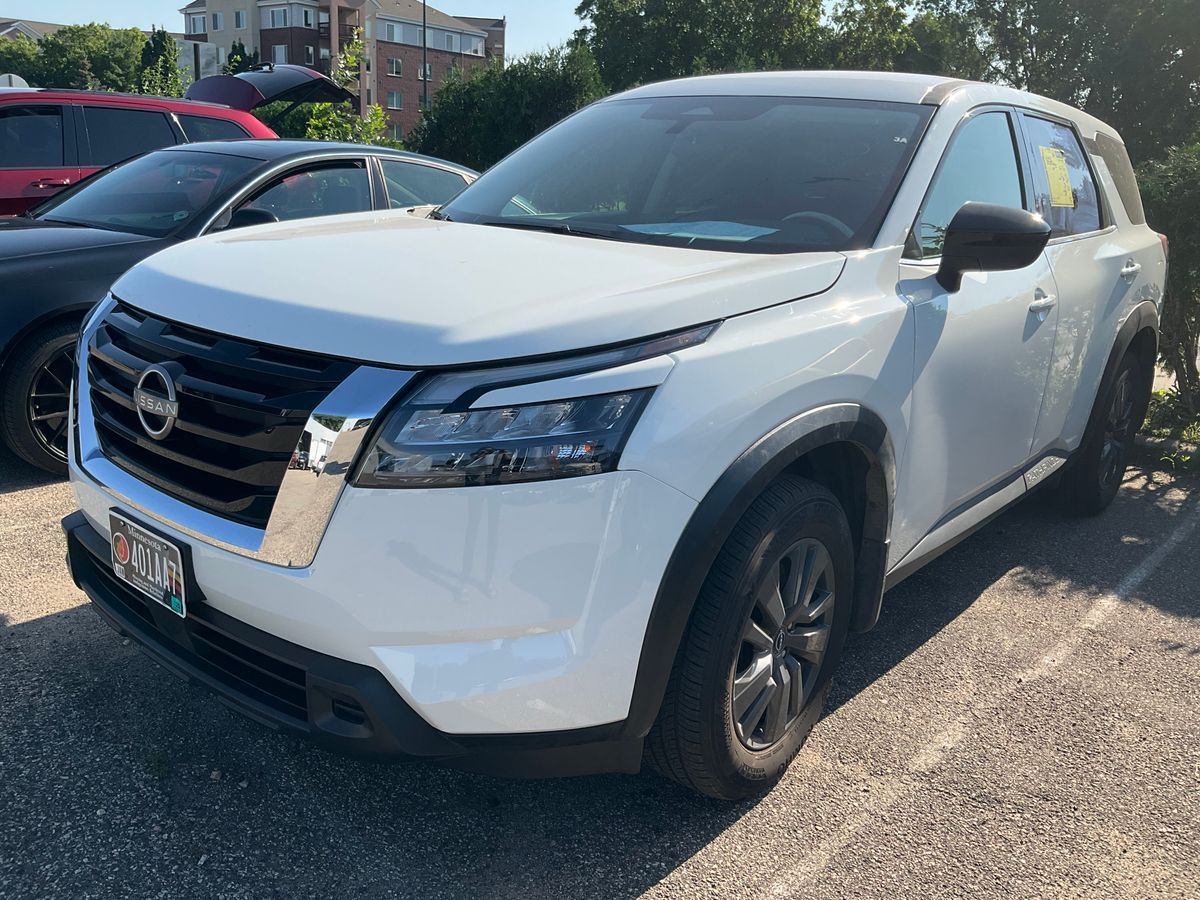
Blog #134: Nissan Altima & Rogue Owners: Common Issues to Watch For
Blog #134: Nissan Altima & Rogue Owners: Common Issues to Watch For
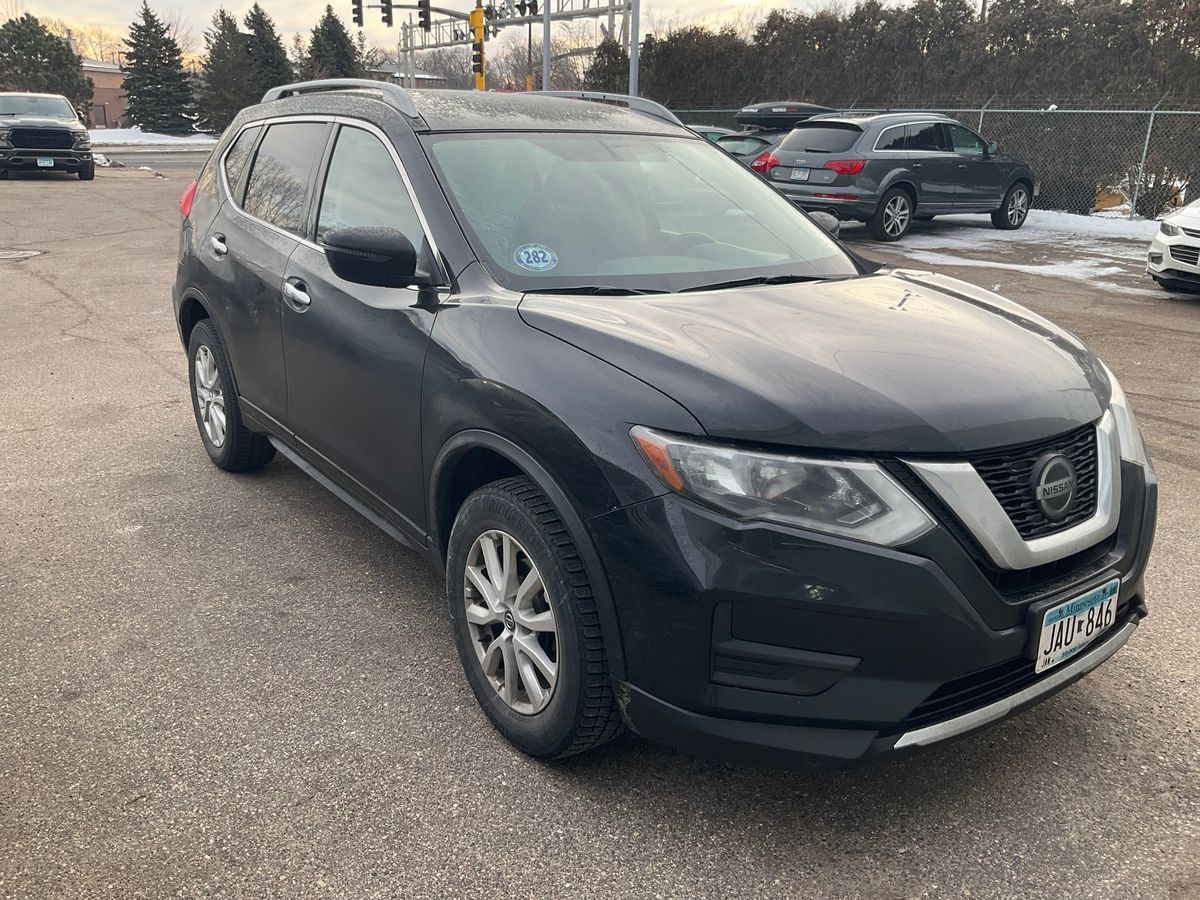
If you drive a
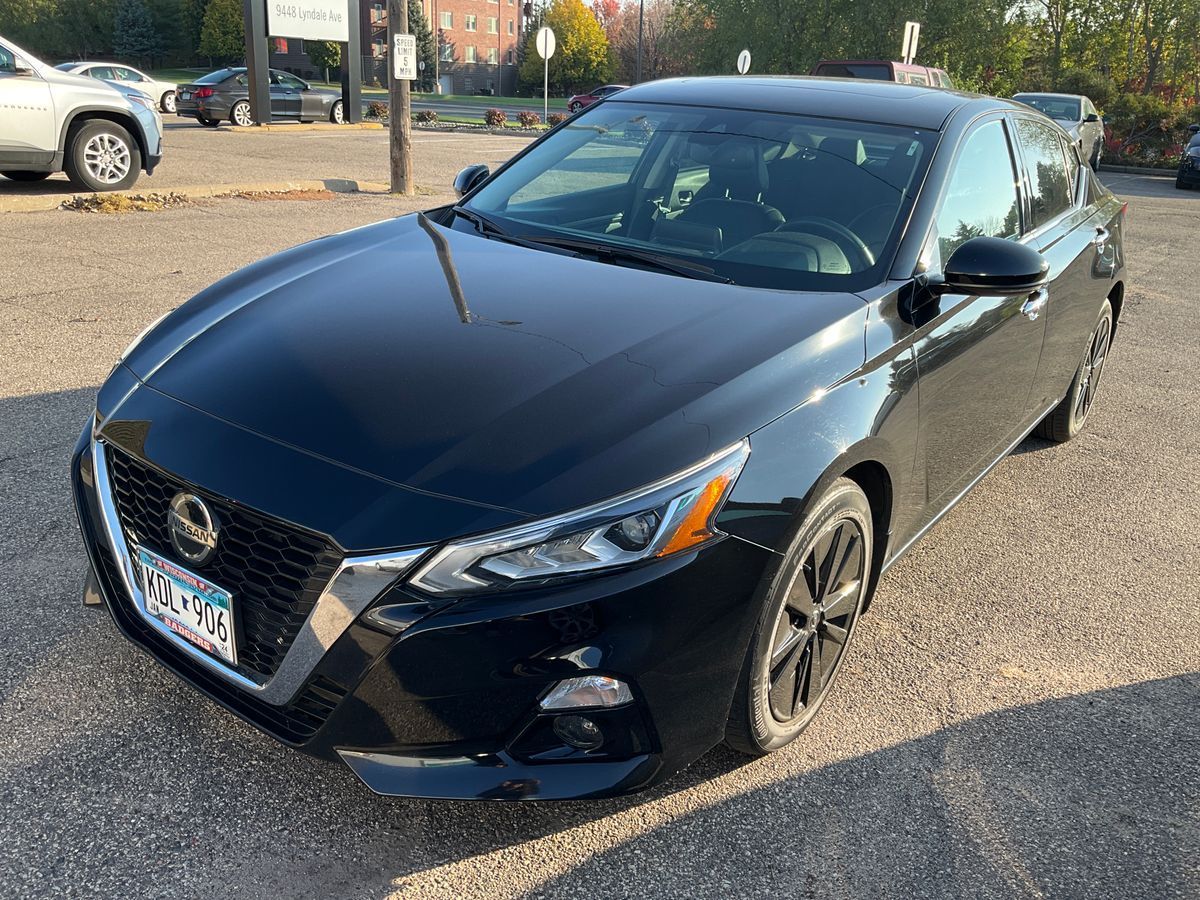
Nissan Altima or Rogue in Bloomington, you likely enjoy reliability, comfort, and efficiency. But even the most dependable vehicles can develop issues over time if regular maintenance is overlooked. At
Autopia Bloomington, we help Nissan owners identify potential problems early, preventing costly repairs and ensuring your car runs safely for years.
In this guide, we’ll cover the most common issues for the Altima and Rogue, how to spot them, and what proactive maintenance you can schedule to keep your Nissan performing at its best.
1. Transmission Concerns
Why it matters: Many Altima and Rogue owners report transmission hesitation, slipping, or rough shifting as their vehicles age. Ignoring these signs can lead to complete transmission failure, which is expensive to repair.
Smart fix: Regular transmission fluid checks and scheduled maintenance are key. At
Autopia Bloomington, our technicians inspect fluid quality, replace worn components, and ensure smooth shifting to extend transmission life.
Warning signs to watch for:
- Delayed or harsh shifting
- Transmission slipping or jerking
- Strange noises during acceleration
2. Brake System Wear
Why it matters: The braking system is critical for safety. Worn pads, rotors, or calipers reduce stopping power and can lead to accidents.
Smart fix: Nissan recommends regular brake inspections, typically every 12 months. Our team at
Autopia Bloomington performs comprehensive brake checks, including pad thickness, rotor condition, and fluid levels, ensuring your vehicle stops safely every time.
Warning signs to watch for:
- Squealing or grinding noises
- Brake pedal vibrations
- Longer stopping distances
3. Suspension and Steering Issues
Why it matters: Worn shocks, struts, or steering components can affect ride quality, handling, and tire wear. Rogue owners, in particular, may notice instability during turns or over bumps.
Smart fix: Schedule routine suspension inspections. Our technicians check for worn bushings, leaking shocks, and alignment issues, providing adjustments or replacements as needed.
Warning signs to watch for:
- Excessive bouncing over bumps
- Uneven tire wear
- Pulling to one side while driving
4. Engine and Oil Maintenance
Why it matters: Engine problems can be costly if caught late. Altima and Rogue engines rely on clean oil and timely fluid changes to prevent wear and overheating.
Smart fix: Follow the manufacturer’s recommended oil change schedule. At
Autopia Bloomington, we use high-quality oils and filters designed for your Nissan engine, helping it run efficiently and last longer.
Warning signs to watch for:
- Check engine light
- Unusual noises or vibrations
- Reduced fuel efficiency
5. Electrical and Battery Concerns
Why it matters: Modern Nissans feature complex electronics, from infotainment systems to driver-assist features. A weak battery or faulty connections can cause malfunctions, unexpected warning lights, or difficulty starting.
Smart fix: Have your battery tested annually and replaced every 3–5 years. Our technicians at
Autopia Bloomington inspect all electrical systems and ensure everything is operating reliably.
Warning signs to watch for:
- Dim headlights or flickering interior lights
- Dashboard warning lights
- Difficulty starting or slow cranking
6. Tire and Alignment Maintenance
Why it matters: Properly maintained tires improve fuel efficiency, handling, and safety. Misalignment or uneven tire wear can damage suspension components over time.
Smart fix: Rotate tires regularly, maintain proper pressure, and schedule wheel alignments as needed. At
Autopia Bloomington, we provide full tire and alignment services to keep your Nissan driving smoothly.
Warning signs to watch for:
- Uneven tread wear
- Steering wheel vibration
- Pulling to one side while driving
FAQs: Nissan Altima & Rogue Maintenance
Q: How often should I service my Nissan Altima or Rogue?
A: Follow your owner’s manual for recommended intervals. Typically, oil changes are every 5,000–7,500 miles, brakes inspected annually, and transmission and suspension checked per schedule.
Q: Can I ignore minor warning lights?
A: No. Even minor dashboard alerts can indicate issues that worsen over time. Early diagnostics save money and prevent breakdowns.
Q: Why choose Autopia Bloomington for Nissan maintenance?
A: Our certified technicians specialize in Nissan vehicles, offering honest advice, preventive maintenance, and high-quality repairs at competitive prices.
Q: How do I know if my tires need alignment or replacement?
A: Uneven wear, pulling to one side, or vibrations in the steering wheel are key indicators. Regular inspections at Autopia Bloomington can prevent further damage.
Q: Is it safe to drive with transmission hesitation or rough shifting?
A: It’s risky. Addressing transmission issues early prevents more expensive repairs and ensures safe vehicle operation.
Protect Your Nissan and Drive Confidently
Routine maintenance is the key to keeping your Nissan Altima or Rogue safe, efficient, and reliable. From transmission checks to brake inspections, suspension care, and electrical system monitoring,
Autopia Bloomington provides comprehensive services tailored for Nissan drivers.
Don’t wait for a small problem to become a major repair. Schedule your Nissan maintenance appointment today and enjoy peace of mind knowing your vehicle is in the hands of experts who care about long-term performance.