

Blog #156: Nissan Preventive Care: Avoid Surprising Repairs And Protect Your Investment
Blog #156: Nissan Preventive Care: Avoid Surprising Repairs And Protect Your Investment
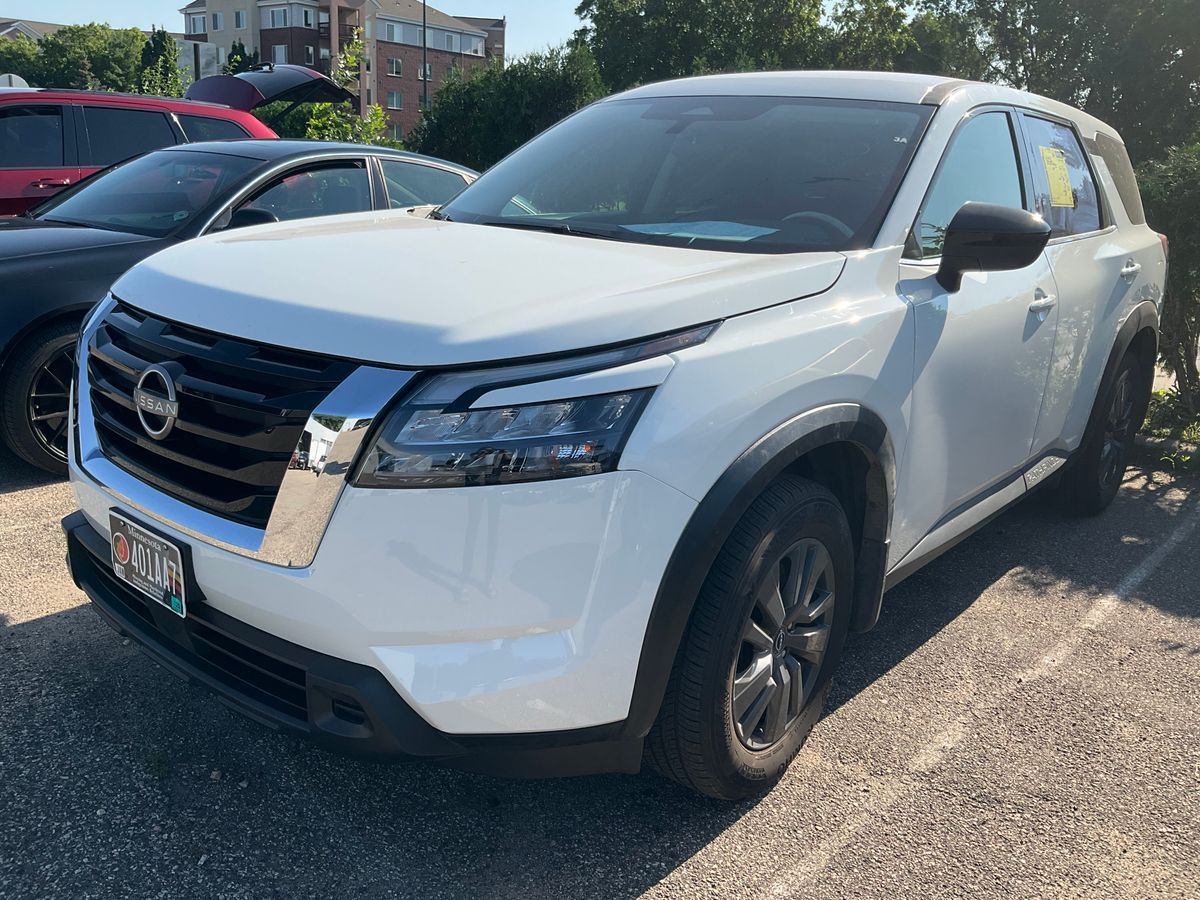
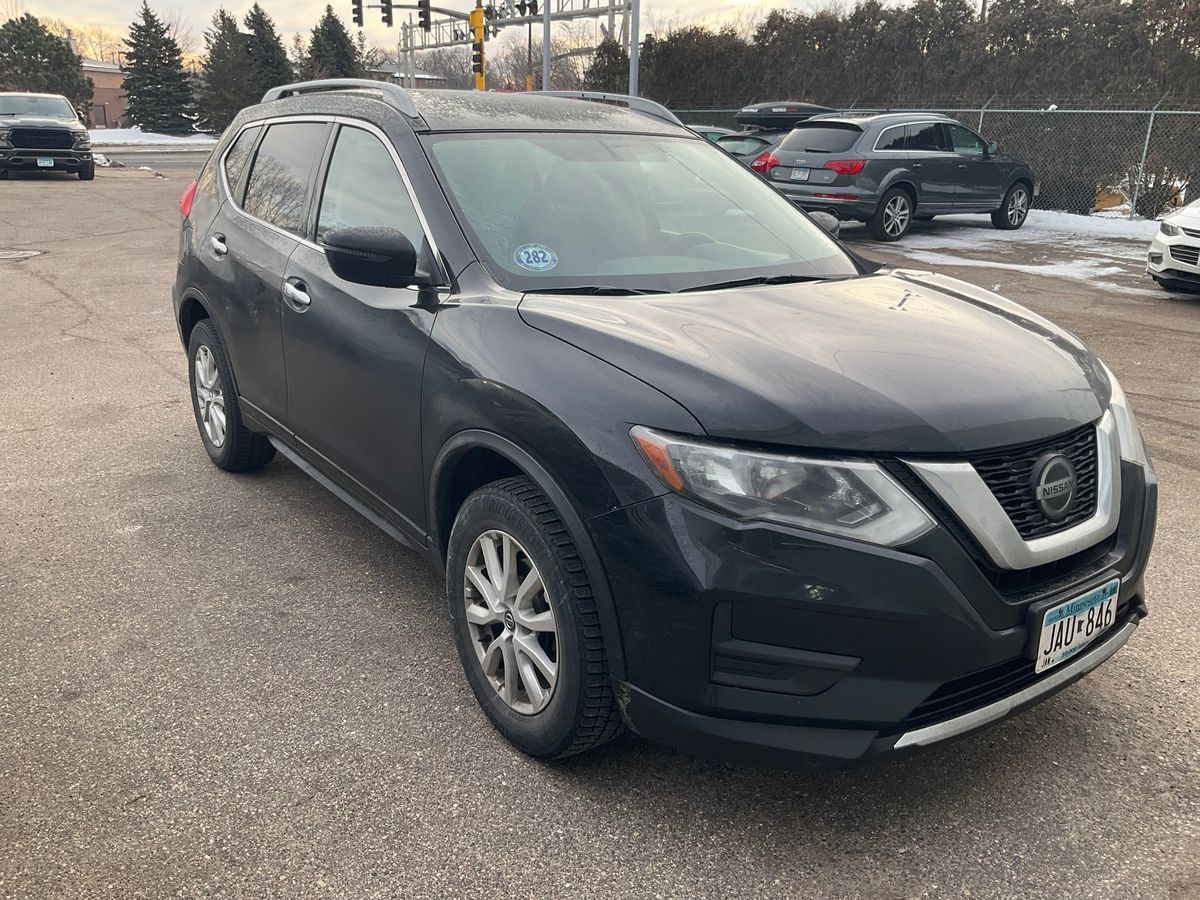
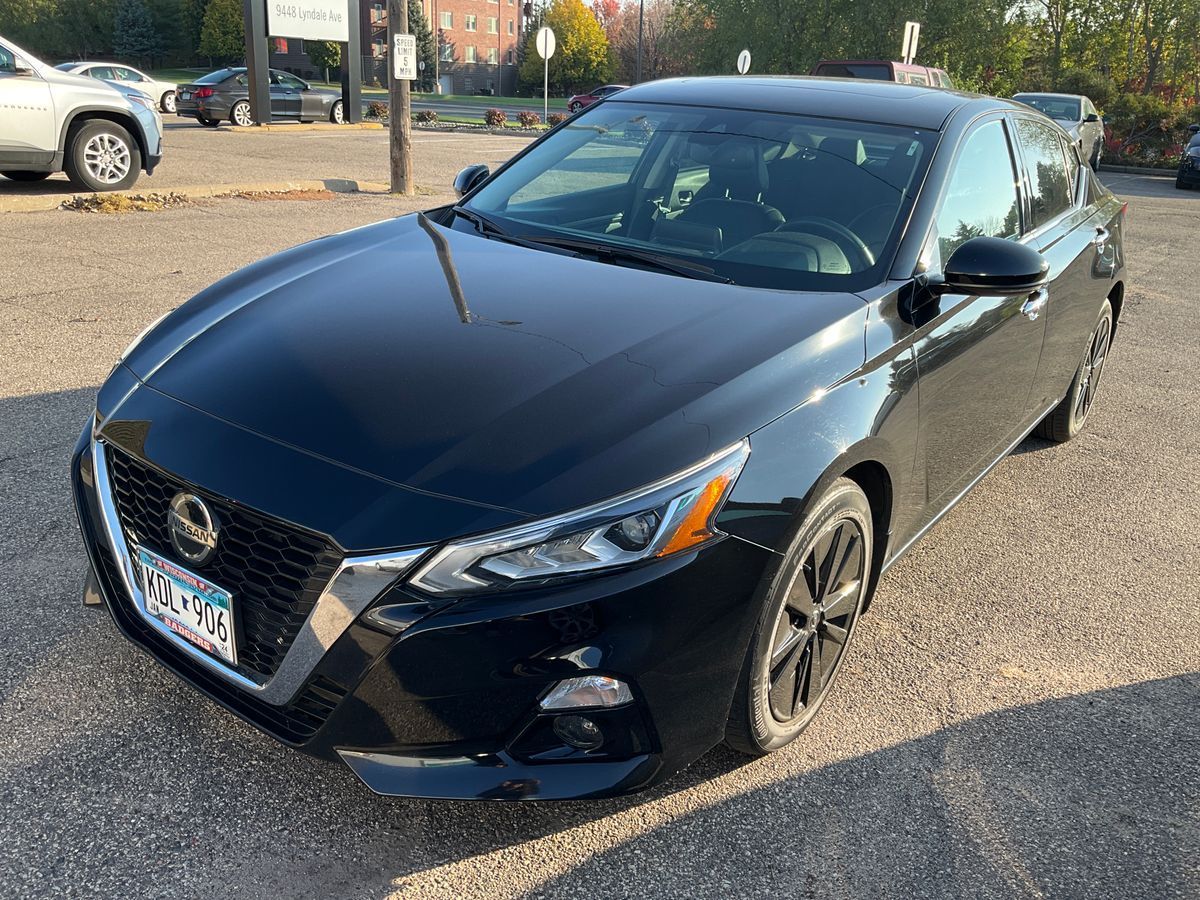
At Autopia Bloomington, we know Nissan owners value reliability, efficiency, and peace of mind on every drive. Whether you’re behind the wheel of an Altima, Rogue, or Pathfinder, preventive maintenance is the key to avoiding expensive surprises. Many drivers focus only on oil changes or tire rotations, but neglecting other critical systems can lead to breakdowns, costly repairs, and unexpected inconvenience.
This guide will show Nissan owners the essential checks, maintenance habits, and proactive strategies that keep vehicles running smoothly, preserve value, and improve safety on Bloomington roads.
Why Preventive Maintenance Is Critical For Your Nissan
Nissans are built to last, but even the most reliable vehicles suffer when small issues are ignored. Routine preventive care offers benefits like:
- Detecting issues before they become costly repairs
- Maintaining fuel efficiency and engine performance
- Ensuring safety for drivers, passengers, and families
- Extending the life of your vehicle
Preventive care isn’t just about avoiding repairs — it’s about peace of mind every time you start your car.
7 Key Nissan Maintenance Checks You Should Never Skip
1. Engine Oil And Filter Changes
Why It Matters: Engine oil lubricates, cools, and protects vital components. Dirty oil or skipped changes lead to sludge buildup, overheating, and engine wear.
Smart Fix: Follow Nissan’s recommended oil change schedule, usually every 5,000–7,500 miles. At Autopia Bloomington, we use high-quality oils and filters tailored to Nissan engines to maximize performance and longevity.
2. Tire Health And Rotation
Why It Matters: Worn or improperly inflated tires affect handling, fuel economy, and braking. Uneven wear can damage suspension components over time.
Smart Fix: Rotate tires every 6,000–8,000 miles and maintain proper inflation. Our technicians perform full tire inspections, balancing, and alignment to ensure a smooth, safe ride.
3. Brake System Inspections
Why It Matters: Brakes are a critical safety system. Worn pads, rotors, or brake fluid issues can lead to longer stopping distances, vibrations, or squealing.
Smart Fix: Inspect brakes at least once a year or sooner if you notice unusual sounds. Autopia Bloomington provides thorough brake diagnostics, repairs, and replacements.
4. Transmission And Fluid Checks
Why It Matters: Transmission fluid, coolant, and power steering fluid are essential for smooth operation. Low or dirty fluids can cause overheating, slipping, and expensive component damage.
Smart Fix: Have fluids inspected and replaced according to Nissan’s recommendations. Our technicians perform fluid flushes, top-offs, and full system checks to keep your vehicle running efficiently.
5. Battery And Electrical Systems
Why It Matters: Modern Nissans rely on electronics for engine management, infotainment, safety systems, and AWD or CVT performance. A weak battery or corroded connections can cause starting problems or system malfunctions.
Smart Fix: Test your battery annually, clean terminals, and monitor charging performance. At Autopia Bloomington, we ensure your electrical system is reliable for daily drives and long trips.
6. Suspension And Steering Components
Why It Matters: Worn shocks, struts, or steering parts affect handling, ride comfort, and tire wear. Uneven roads in Bloomington can accelerate suspension wear if left unchecked.
Smart Fix: Schedule inspections every 30,000–50,000 miles or sooner if you notice vibrations, pulling, or rough rides. We provide suspension diagnostics, alignments, and repairs for optimal performance.
7. Air Filters, Belts, And Spark Plugs
Why It Matters: Dirty air filters reduce engine efficiency, worn belts can fail unexpectedly, and old spark plugs cause misfires or reduced acceleration.
Smart Fix: Replace these components according to Nissan’s maintenance schedule. Autopia Bloomington ensures all parts are in peak condition for reliable performance.
How To Spot Early Warning Signs
Nissans often communicate issues before they become serious. Look out for:
- Unusual noises, clicks, or grinding
- Vibrations while accelerating or braking
- Dashboard warning lights
- Decreased fuel efficiency
- Difficulty steering or uneven braking
Ignoring these signs can turn minor repairs into major expenses. Catching problems early is the smart way to protect your investment.
Tips For Long-Term Nissan Reliability
Follow Your Owner’s Manual – Every Nissan model has specific recommendations for fluids, filters, and service intervals.
Use Quality Parts And Fluids – Manufacturer-recommended or high-quality equivalents maintain performance.
Track Service History – Keep records to ensure nothing is missed and resale value is preserved.
Schedule Professional Inspections Regularly – Annual checkups by trained technicians uncover hidden issues.
Frequently Asked Questions (FAQ)
Q: How often should I have my Nissan serviced?
A: Stick to Nissan’s recommendations, usually every 5,000–7,500 miles for oil and every 30,000–50,000 miles for major inspections. Driving conditions like stop-and-go traffic or towing may require more frequent maintenance.
Q: Can I do preventive checks myself at home?
A: Basic checks like tire pressure, fluid levels, and battery condition are possible, but professional inspections catch hidden issues DIY checks often miss.
Q: Will preventive maintenance prevent all breakdowns?
A: While it reduces risk, no vehicle is immune to unexpected issues. Regular care maximizes reliability and minimizes surprise repairs.
Q: What’s the most overlooked Nissan maintenance task?
A: Transmission fluid and AWD/CVT checks. Many owners focus on oil but neglect critical drivetrain maintenance, which can lead to costly repairs.
Q: How long does a full preventive inspection take?
A: Routine inspections usually take 1–2 hours, including brakes, fluids, tires, and battery. Complex repairs take longer depending on the vehicle and issue.
Drive With Confidence In Your Nissan
Preventive maintenance isn’t just about avoiding problems — it’s about enjoying
safe, smooth, and stress-free driving. At
Autopia Bloomington, our expert technicians provide
comprehensive inspections, honest advice, and high-quality service that keep your Nissan performing at its best.
Whether you’re commuting, road-tripping, or tackling Bloomington’s winter roads, professional preventive care ensures your vehicle is ready for anything.
Schedule your Nissan service at Autopia Bloomington today and drive with confidence knowing your car is in expert hands.