

Blog #174: Why Modern Cars Still Need Professional Checkups
Blog #174: Why Modern Cars Still Need Professional Checkups
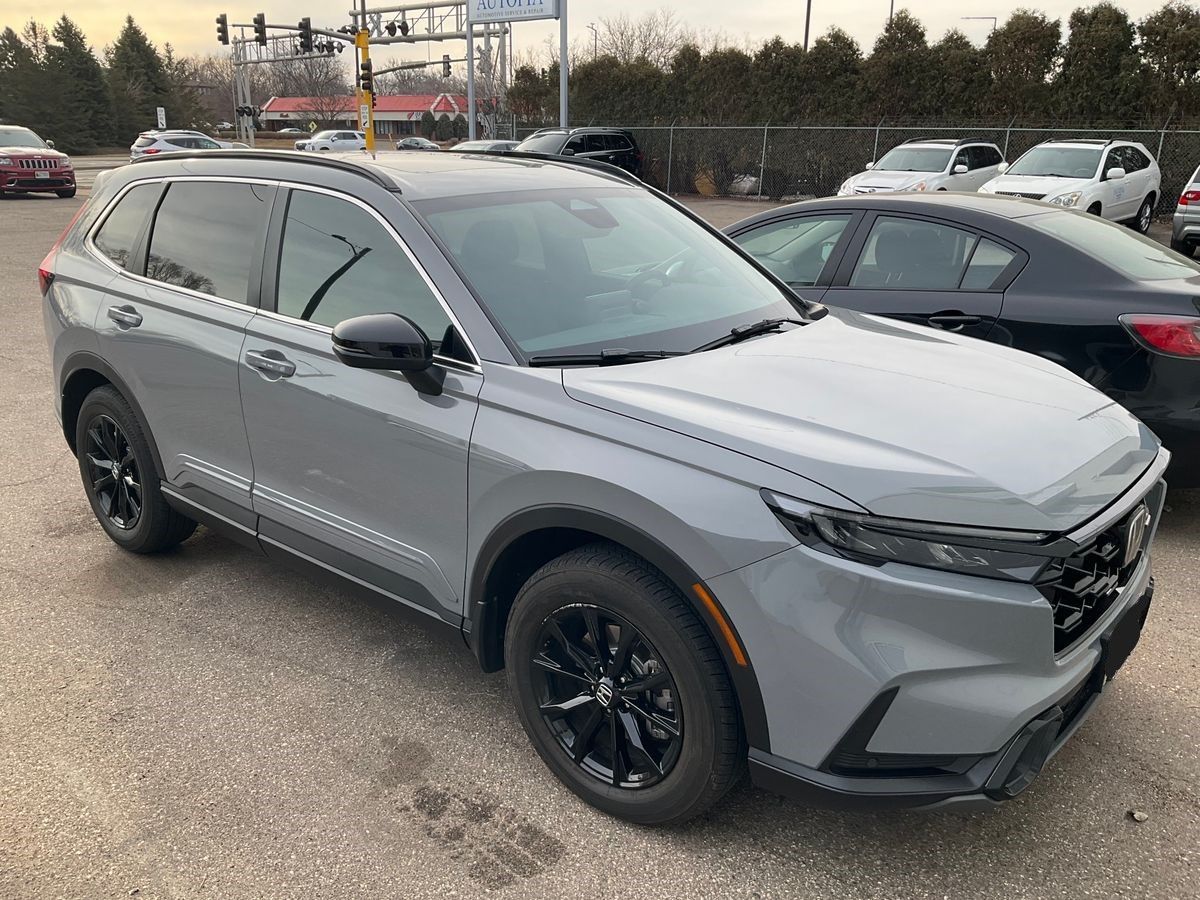
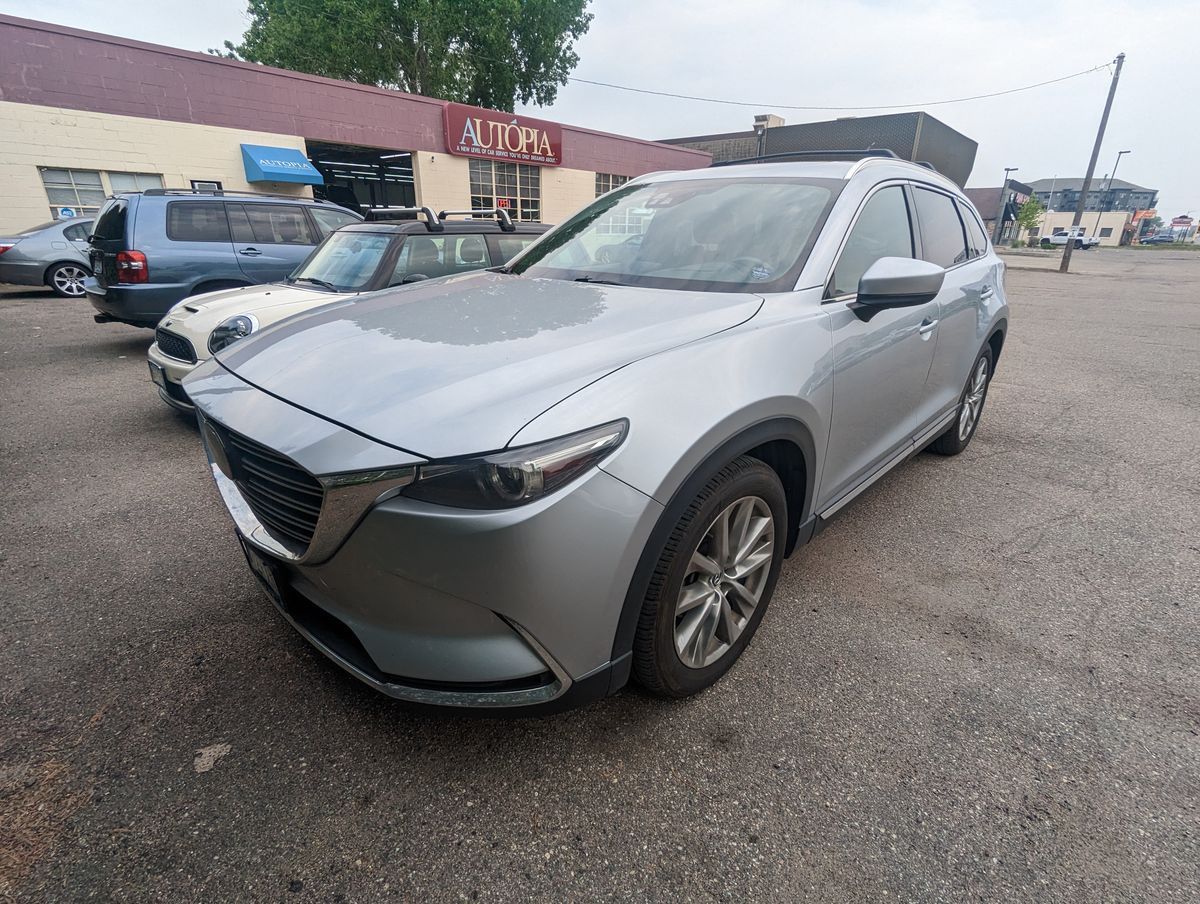
It’s a common assumption: new cars, smart sensors, and advanced technology mean you can skip routine checkups. After all, if your dashboard isn’t lighting up with warnings, everything must be fine, right? Not quite. Even modern vehicles rely on countless moving parts, electronic systems, and fluids that require regular attention. Ignoring these can turn small issues into costly repairs.
At Autopia Bloomington, we often see drivers surprised when their “perfectly fine” car starts having problems—problems that a simple professional inspection could have prevented. Here’s why even the newest vehicles still benefit from regular checkups.
Technology Isn’t a Substitute for Maintenance
Modern cars are packed with sensors, cameras, and onboard computers. While these features alert you to many problems, they aren’t foolproof. Sensors can fail, misread data, or miss developing issues entirely.
A professional technician doesn’t just rely on dashboard warnings—they examine the car thoroughly, from fluid levels to belts, brakes, and suspension. Catching a minor issue early can prevent it from escalating into a major repair that your sensors never detected.
Fluids Still Need Attention
Whether it’s engine oil, transmission fluid, brake fluid, or coolant, fluids play a vital role in keeping your car running smoothly. Even vehicles with advanced monitoring systems can’t fully protect against fluid degradation, leaks, or contamination.
A checkup ensures that all fluids are at the right levels, clean, and functioning correctly. This simple step can prevent overheating, transmission issues, and other expensive failures down the road.
Tires, Brakes, and Suspension Wear Without Notice
You might not notice gradual tire wear, misalignment, or worn suspension components while driving. These issues can impact fuel efficiency, handling, and safety.
A professional inspection catches these hidden problems before they compromise performance or put you at risk. Proper alignment, brake checks, and suspension maintenance make your car safer and extend its lifespan.
Electrical Systems Are Still Vulnerable
Modern cars rely heavily on electronics—from infotainment systems to advanced driver assistance features. A failing alternator, weak battery, or corroded wiring can cause unexpected shutdowns, sensor errors, or even prevent your car from starting.
Technicians at Autopia Bloomington inspect your electrical system thoroughly, identifying vulnerabilities before they cause breakdowns or safety issues.
Prevent Small Issues From Becoming Big Bills
Professional checkups aren’t just about immediate problems—they’re about avoiding future headaches. Regular inspections catch small issues before they become major repairs, saving both money and stress.
Even if your vehicle is new or seems flawless, it’s important to schedule checkups based on manufacturer recommendations or at least once a year. This ensures your car stays reliable, efficient, and safe on Bloomington roads.
Drive With Confidence
Modern vehicles are incredible machines, but technology alone can’t replace professional care. Routine inspections, preventive maintenance, and early issue detection keep your car running smoothly and protect your investment.
Trust Autopia Bloomington to provide expert checkups that go beyond what sensors can tell you. Protect your vehicle, prevent costly repairs, and enjoy every drive with confidence.