

Blog #180: The Difference Between Reactive Repairs and Smart Vehicle Care
Blog #180: The Difference Between Reactive Repairs and Smart Vehicle Care
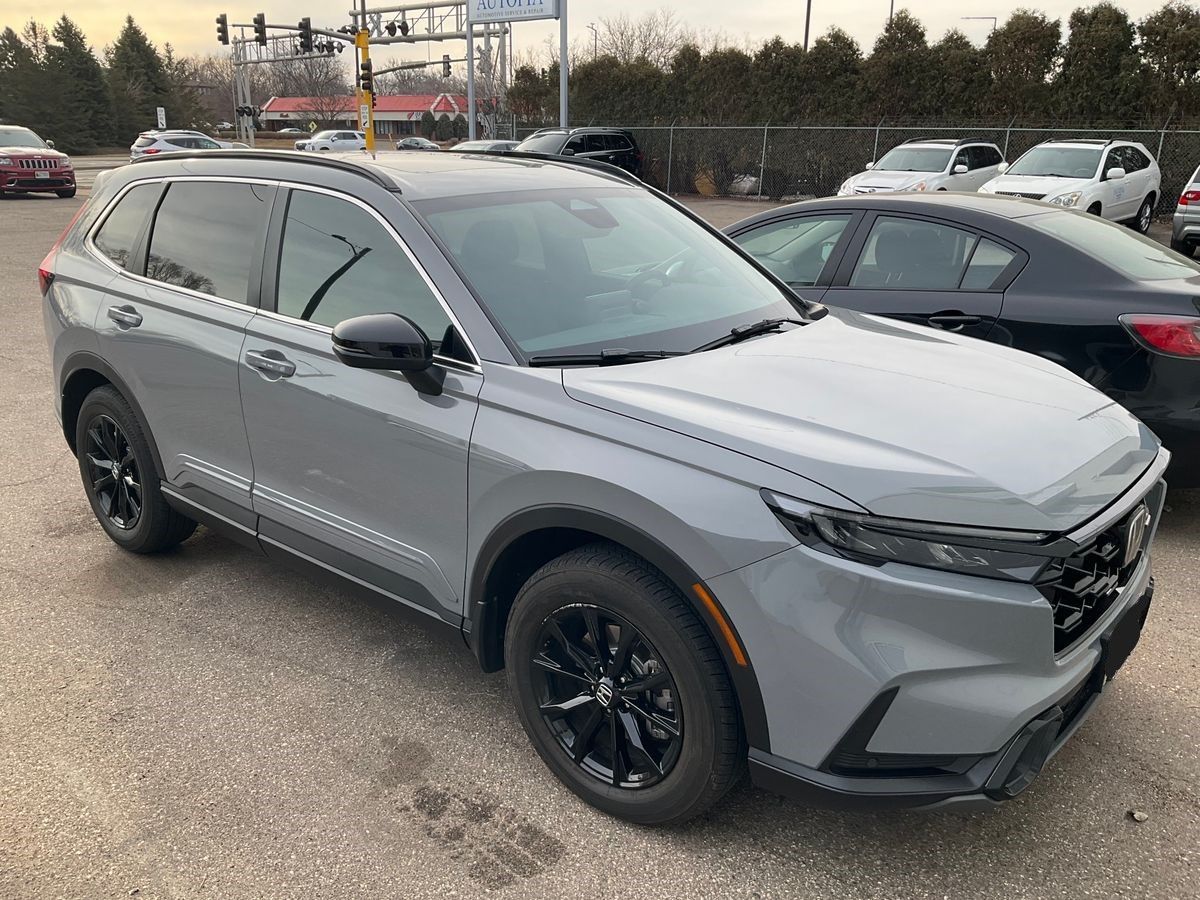

Most drivers don’t plan to neglect their vehicles. It usually starts with a small noise, a warning light that disappears, or a subtle change that’s easy to ignore. Before long, that small issue becomes a breakdown. At Autopia Bloomington, we see this pattern every day—and it all comes down to the difference between reactive repairs and smart vehicle care.
Waiting For Failure vs. Staying Ahead Of It
Reactive repairs happen after something breaks. Smart vehicle care happens before it does. The difference isn’t just timing—it’s cost, convenience, and peace of mind.
When a car is maintained reactively, parts fail unexpectedly. Drivers end up stranded, late to work, or facing emergency repair bills. Smart care focuses on identifying wear, stress, and imbalance early—when fixes are simpler and less expensive.
The Hidden Cost Of “It’s Still Running”
One of the most common phrases we hear is, “It’s still running fine.” But modern vehicles rarely fail without warning. They whisper before they scream.
Small vibrations, minor electrical glitches, reduced fuel efficiency, or subtle handling changes often signal early-stage issues. Reactive repair ignores these signs until the problem becomes unavoidable. Smart care treats these early symptoms as valuable information—not inconveniences.
How Small Issues Become Major Repairs
Many major failures don’t start as major problems. A worn suspension component stresses tires. Uneven tire wear strains steering components. Electrical resistance causes sensors to misread data. Over time, systems that rely on each other begin to fail in sequence.
Reactive repairs replace the final broken part. Smart vehicle care identifies the chain reaction before it starts.
Why Modern Cars Demand Smarter Attention
Today’s vehicles are more advanced than ever. Sensors, computers, and electronic systems control everything from fuel delivery to braking. When something feels “off,” it often isn’t mechanical failure—it’s imbalance.
Smart vehicle care includes professional diagnostics, inspections, and evaluations that look at how systems interact. This approach catches problems invisible to dashboard warnings and DIY checks.
The Role Of Professional Insight
Smart vehicle care isn’t about doing more—it’s about doing the right things at the right time. Professional technicians don’t just replace parts; they analyze patterns.
At Autopia Bloomington, we look beyond the obvious symptom to understand what caused it. That approach prevents repeat repairs and extends the life of your vehicle.
Time Is Just As Valuable As Money
Reactive repairs steal time. Emergency breakdowns disrupt schedules, travel plans, and daily routines. Smart care minimizes these disruptions by keeping vehicles predictable and reliable.
Regular inspections and preventive service mean fewer surprises—and more confidence every time you turn the key.
Reactive Repairs Cost More Than You Think
While reactive repairs may feel cheaper in the moment, they often cost more long-term. Replacing a failed component is rarely just about that part—it’s about collateral damage, downtime, and stress.
Smart vehicle care spreads maintenance costs over time, avoids emergency pricing, and protects connected systems from unnecessary strain.
Choosing Control Over Crisis
Reactive repairs put drivers in crisis mode. Smart vehicle care puts them in control. Instead of responding to problems, you prevent them.
This approach doesn’t require perfection—it requires awareness, consistency, and professional guidance.
Drive With Confidence, Not Hope
Hope isn’t a maintenance plan. Confidence comes from knowing your vehicle has been inspected, evaluated, and cared for proactively. At
Autopia Bloomington, we help drivers transition from reactive repairs to smart vehicle care—so problems are handled on your terms, not on the side of the road.
Smart care doesn’t just fix vehicles. It protects your time, your budget, and every mile ahead.