

Blog #183: The Mechanical Problems Drivers Normalize Until It’s Too Late
Blog #183: The Mechanical Problems Drivers Normalize Until It’s Too Late
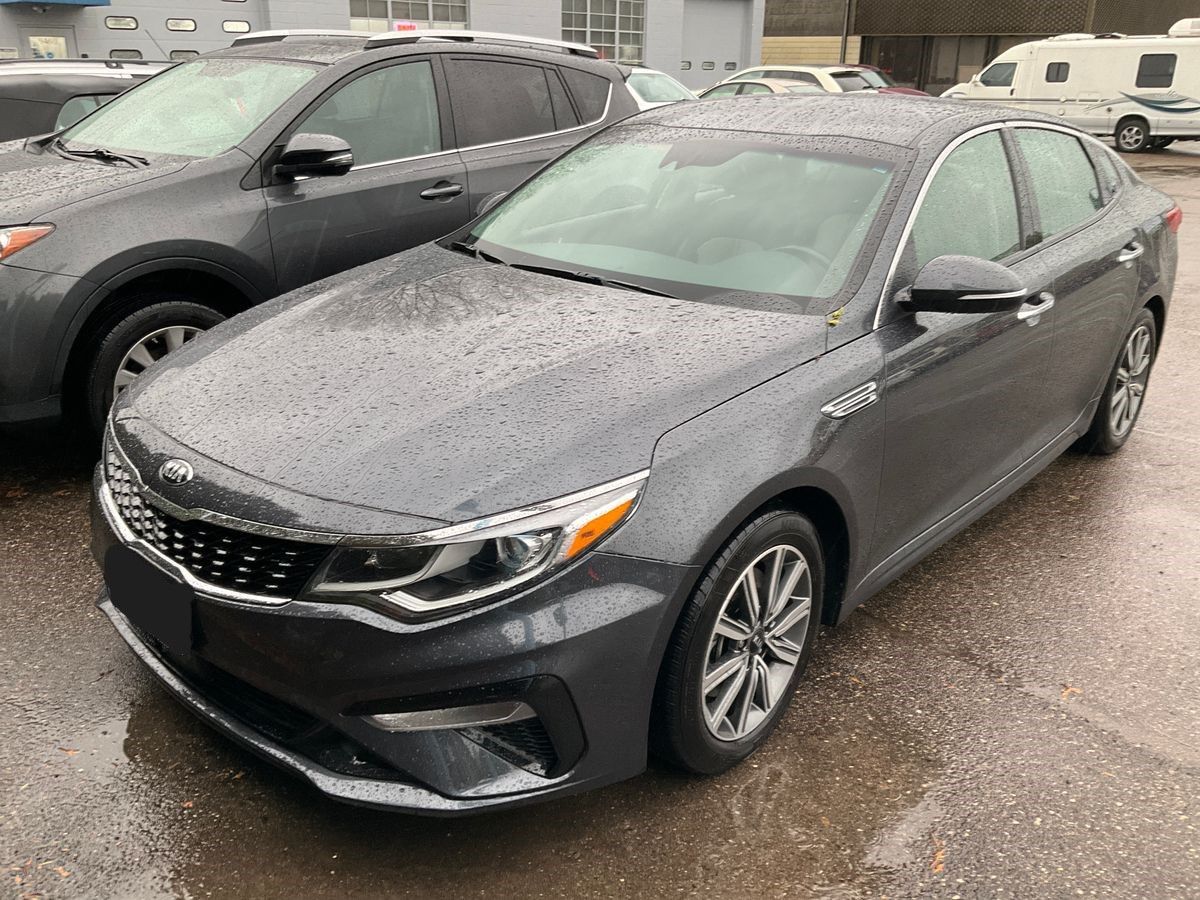
Most breakdowns don’t arrive as surprises. They arrive as habits. A faint vibration you learn to ignore. A clunk that only happens on cold mornings. A steering wheel that never quite sits straight anymore. At Autopia Bloomington, we often see drivers waiting until these small issues become urgent problems. This isn’t about fear-based selling or panic repairs—it’s about understanding how vehicles age and fail in real-world driving conditions and why “still drives fine” can be the most expensive mindset behind the wheel.
The Sounds You Stop Hearing Are The Systems Already Arguing
Cars communicate through subtle cues. A chirp when backing out of a parking spot could indicate suspension geometry shifting under load. A low hum on the highway may signal a wheel bearing beginning to wear. Ignoring these sounds doesn’t prevent damage; it allows stress to migrate through other systems. A worn bearing destabilizes alignment, increases tire wear, and can affect braking behavior. What starts as a minor noise becomes a network of issues that compromise safety and performance.
Steering Drift Isn’t Just Alignment—It’s Fatigue
Persistent steering drift is often dismissed as “just alignment,” but it can reflect aging components losing their precision. Control arm bushings soften, ball joints develop play, and tie rods loosen. On Bloomington streets, which experience freeze-thaw cycles and pothole wear, these effects accelerate. Your vehicle may still feel controllable, but the steering system is constantly compensating behind the scenes, increasing driver fatigue and reducing response time in emergency situations.
The Suspension Isn’t For Comfort—It’s For Control
Shocks and struts do more than smooth the ride—they maintain tire contact with the road. When they weaken, tires spend less time gripping the surface, especially during quick lane changes or over bumps. The result is subtle instability, longer stopping distances, and reduced traction in wet conditions. These changes happen gradually, so drivers adapt without realizing how compromised the vehicle has become. Physics doesn’t adjust to driver perception.
Cooling Systems Fail Quietly, Then All At Once
Overheating rarely begins with visible smoke. It starts with efficiency loss. Hoses harden, radiators accumulate deposits, and electric fans may cycle late. The engine can appear to run normally for months, until stop-and-go traffic or hot summer days push it past its limits. Small inefficiencies compound over time, and what seemed minor can quickly become a costly repair.
Electrical Issues Aren’t Random—They’re Predictable
Modern vehicles rely on stable voltage and secure connections. Grounds corrode, connectors loosen, and sensors may receive inconsistent signals as a car ages. You may notice this as intermittent warning lights, erratic gauges, or features that sometimes fail. These aren’t random malfunctions—they’re predictable consequences of gradual electrical wear. Early diagnosis prevents minor issues from escalating into major repairs.
How Driver Habits Accelerate Wear
Short trips, aggressive acceleration, frequent curb impacts, and stop-and-go driving all leave patterns on your vehicle. Bloomington drivers who navigate dense city streets stress components differently than long-distance commuters. Our professional vehicle inspections don’t just look at parts; we analyze usage patterns, anticipating failure points before they become emergencies.
Why Choose Autopia Bloomington?
We are a full-service auto repair and maintenance shop committed to keeping vehicles safe, reliable, and performing at their best. We specialize in
professional vehicle inspections, identifying hidden wear and system interactions before small problems turn into major repairs. With a focus on transparency, attention to detail, and preventative care, we help drivers make informed decisions rather than react to breakdowns. Choosing Autopia means trusting a local Bloomington mechanic who understands not just how cars fail, but how driver habits, local conditions, and aging components interact over time.
If your vehicle has quirks you’ve learned to live with, scheduling an inspection with us can replace guesswork with clarity. Not because something is wrong today—but because preventing future problems is always safer, smarter, and more cost-effective than catching up later.