

Blog #187: Dodge Journey & Durango: Keep Your Engine Running Strong with Autopia Bloomington
Blog #187: Dodge Journey & Durango:
Keep Your Engine Running Strong with Autopia Bloomington
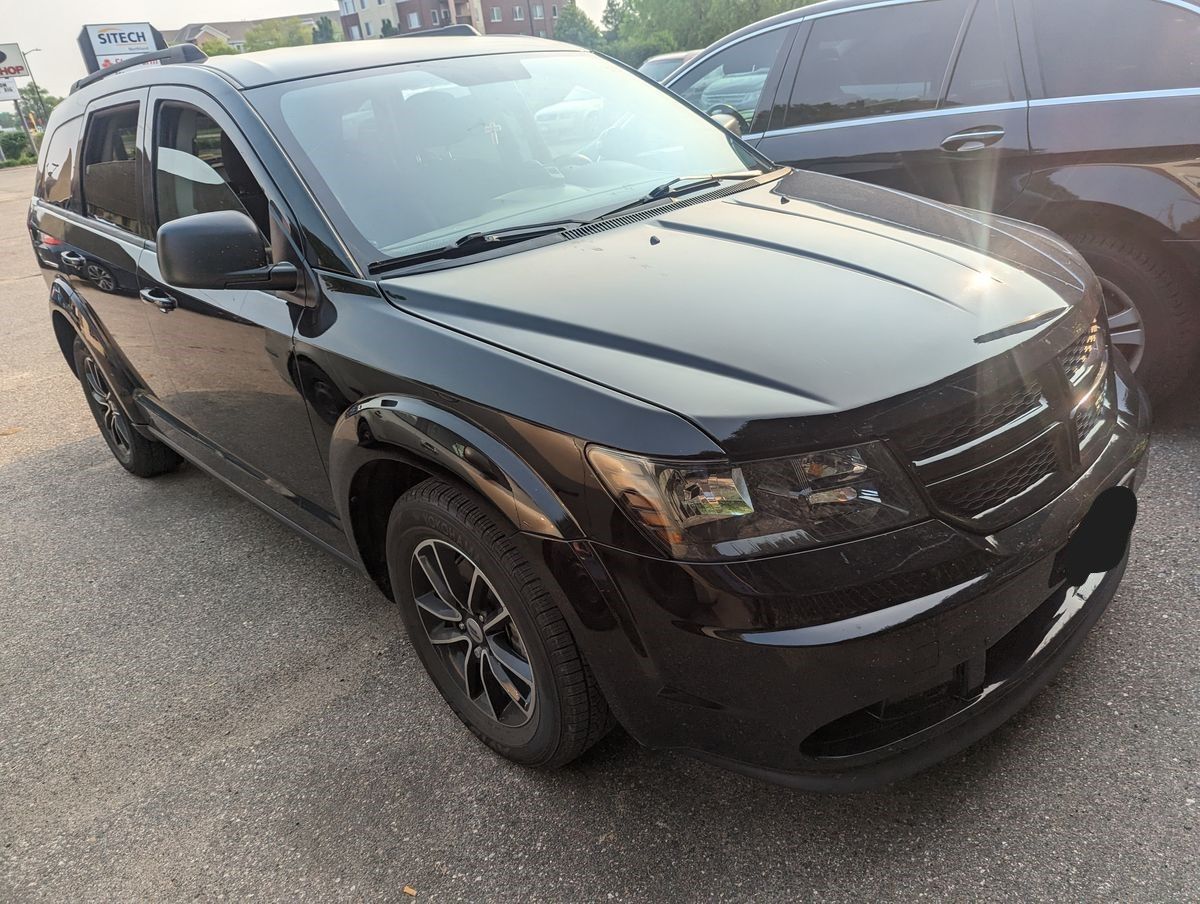
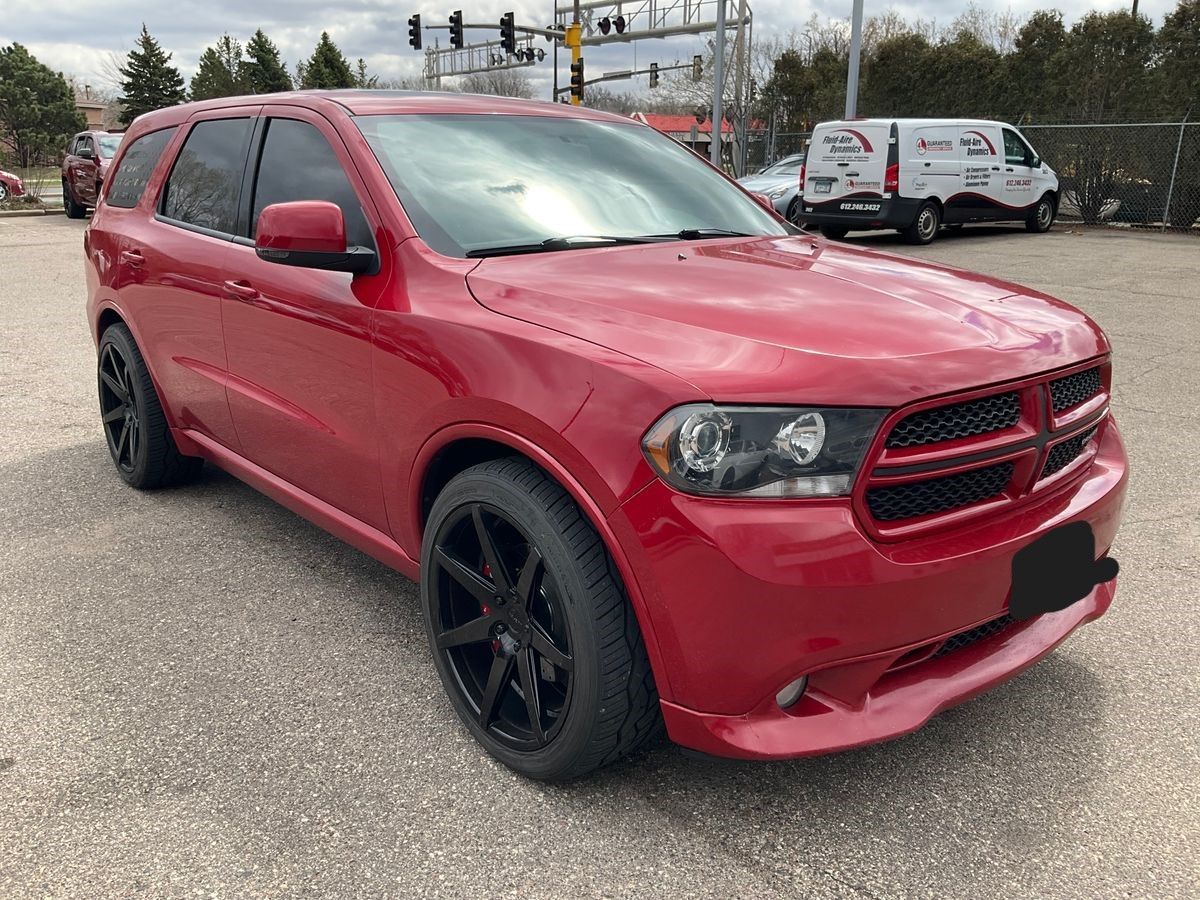
The Dodge Journey and Durango are built to handle a lot—family trips, cargo hauls, and long highway drives. But even vehicles designed for rugged performance aren’t immune to the gradual effects of wear, environmental stress, and everyday driving. At Autopia Bloomington, we regularly see Journeys and Durangos that appear fine but have subtle issues quietly undermining engine performance. Keeping your engine running strong isn’t just about fluids or oil changes—it’s about understanding how components age, interact, and fail, and taking preventative action before small issues become costly breakdowns.
Hidden Engine Stress You Don’t Hear
Many drivers assume that if their engine sounds normal, it’s healthy. Yet even minor issues, like a slipping serpentine belt, early spark plug wear, or a clogged air filter, can slowly reduce efficiency. In Dodge engines, these small problems often cascade. A belt that isn’t transferring power efficiently stresses the alternator and water pump. A neglected air intake reduces fuel efficiency and increases internal deposits. Left unchecked, these hidden stresses can eventually affect engine longevity, responsiveness, and fuel economy.
Local Roads Accelerate Wear
Bloomington roads, traffic patterns, and weather conditions contribute to engine stress over time. Stop-and-go city driving, short trips, and repeated idling increase load on engine components. Potholes, uneven surfaces, and freeze-thaw cycles stress suspension and alignment, indirectly impacting drivetrain performance. By factoring in local conditions, we help Dodge owners identify subtle signs of engine strain that may not trigger immediate warnings but can shorten vehicle life.
Systems Interact, Even When You Don’t Notice
Modern engines rely on multiple interconnected systems. Cooling, fuel delivery, ignition, and exhaust components all work together to maintain performance. A small leak in a hose or a partially clogged fuel injector may not trigger a warning light immediately, but it changes how the engine works. Over time, these small inefficiencies accumulate, creating wear in unexpected areas. Our inspections go beyond surface-level checks—we evaluate how systems interact to prevent issues before they snowball into major repairs.
Driving Habits Affect Longevity
How you drive a Journey or Durango significantly impacts engine health. Aggressive acceleration, frequent heavy braking, and towing beyond recommended limits all accelerate wear. Even routine habits, like frequent short trips, can keep engines from reaching optimal operating temperature, contributing to carbon buildup and premature component wear. By understanding your driving patterns and performing targeted inspections, we help minimize preventable wear.
Preventative Service Protects Performance and Value
Engine maintenance isn’t just about avoiding breakdowns; it’s about preserving performance and value. By addressing small issues early—whether it’s belts, hoses, fluid levels, or filters—we help Journeys and Durangos maintain peak efficiency. Regular professional inspections ensure your vehicle continues to run smoothly, safely, and reliably, preventing small problems from escalating into expensive repairs. This proactive approach also supports resale value, keeping your Dodge attractive to future buyers.
Why Choose Autopia Bloomington
At Autopia Bloomington, we specialize in
professional vehicle inspections and preventative maintenance for Dodge vehicles, including the Journey and Durango. Our team focuses on detail, hidden wear, and system interactions, considering how your vehicle is used and the local driving environment. Service with us isn’t just routine—it’s a proactive strategy to keep your engine strong, your vehicle reliable, and your investment protected.
If you drive a Dodge Journey or Durango, scheduling a professional inspection with us can give you confidence that your engine and systems are performing optimally. Not because something is wrong today—but because preventing future problems is always safer, smarter, and more cost-effective than catching up later.