
Blog #202: How Ford Escape Components Age Faster Than You Think
Blog #202: How Ford Escape Components Age Faster Than You Think
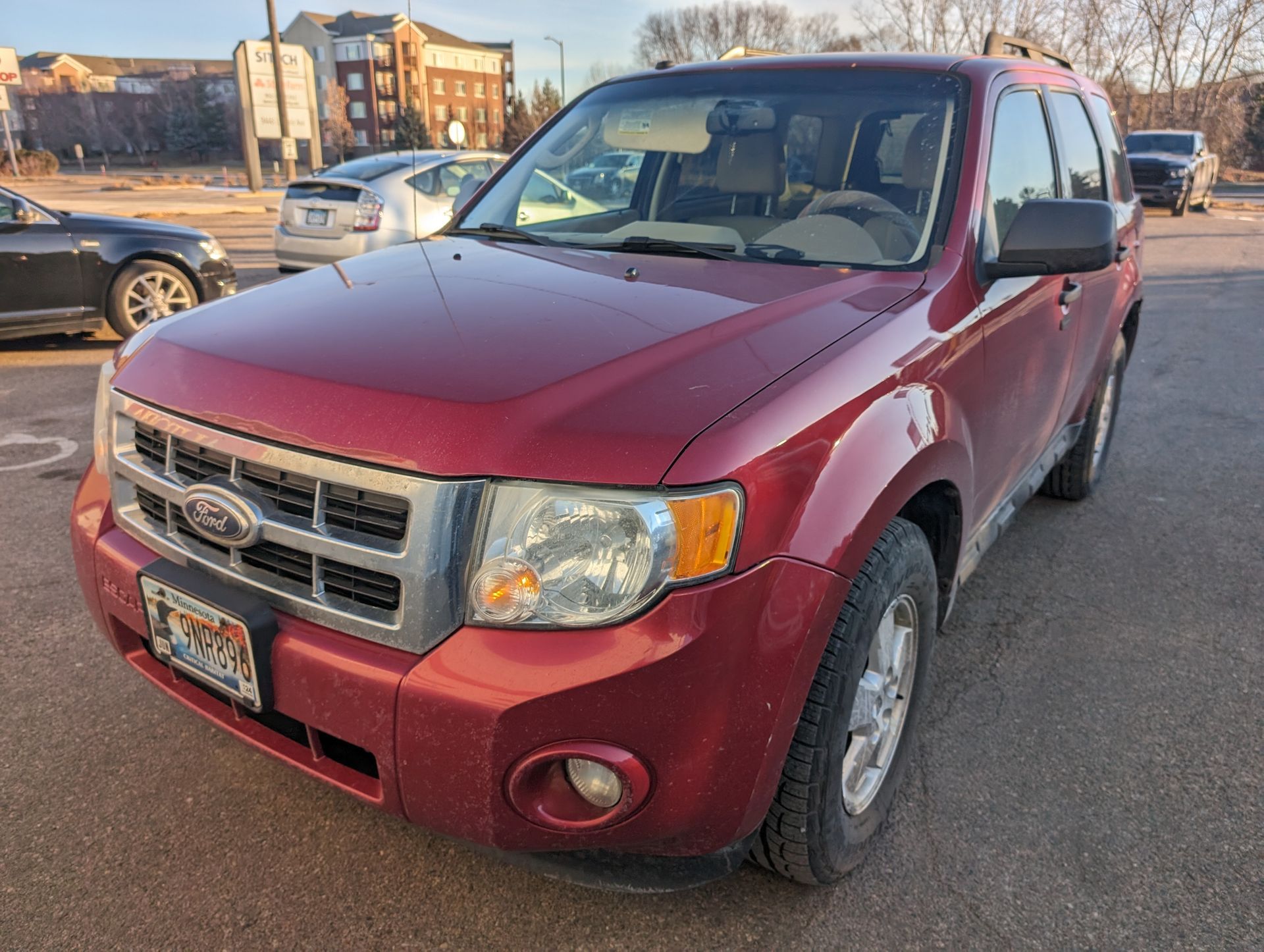
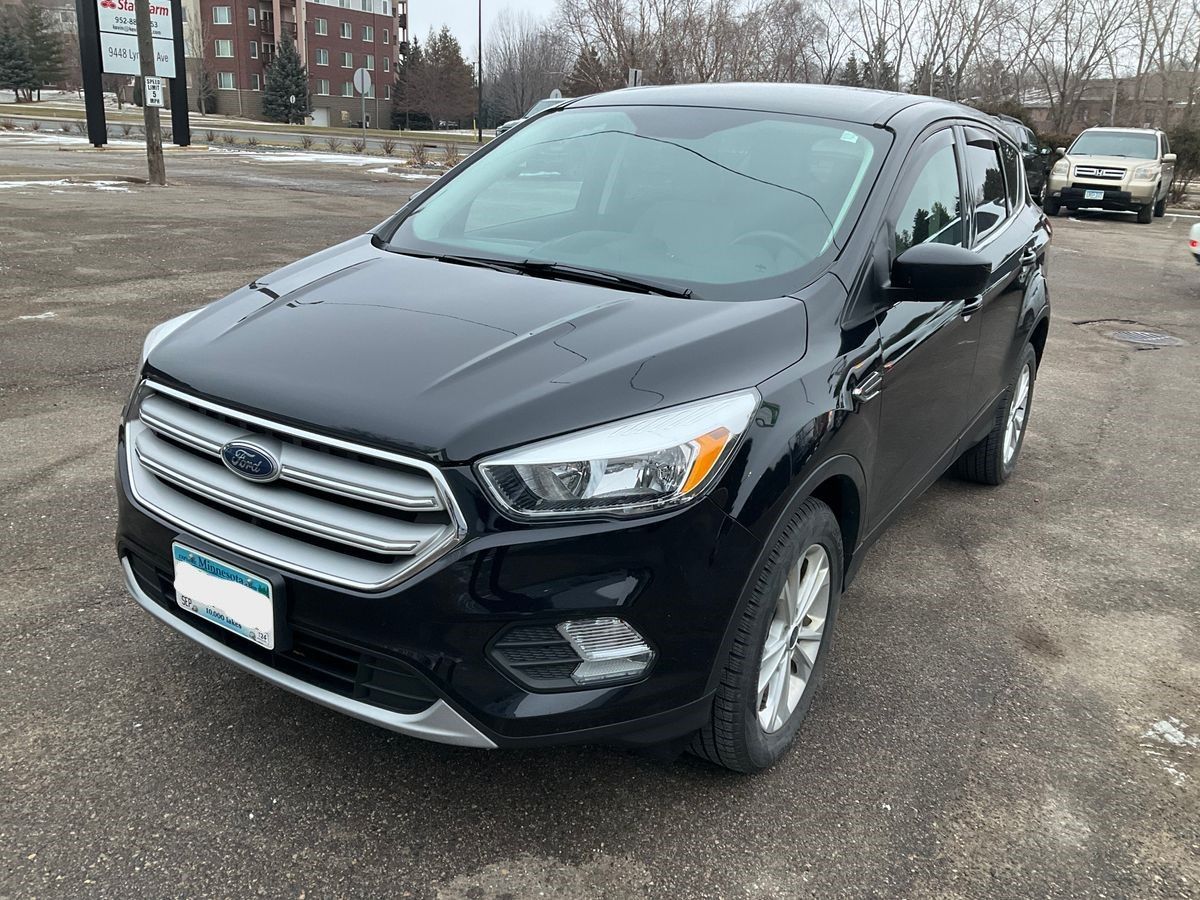
Your Ford Escape is designed for comfort, reliability, and smooth handling. But even well-maintained vehicles experience wear, and some components age faster than most drivers realize. At Autopia Bloomington, we often see Escape owners surprised by problems that developed quietly over time. What feels like a subtle change in ride quality can actually signal wear in key systems. Understanding how and why these components age helps you stay ahead of costly repairs and keep your vehicle performing at its best.
Comfort Can Mask Wear
The Escape’s suspension and chassis are designed to absorb bumps and keep rides smooth. But that comfort can hide wear in the very systems keeping the vehicle steady. Rubber bushings slowly crack, shocks and struts lose damping ability, and ball joints gradually develop play. On smooth roads, these changes may feel almost invisible. Drivers often adapt without noticing, leaving small problems to grow unnoticed until they affect handling, braking, or tire wear.
Systems Work Together, Not Alone
Your suspension, tires, brakes, and steering are interconnected. When one component ages, it affects the others. For example, worn shocks can lead to uneven tire wear, which changes alignment and alters brake performance. What might feel like a minor “floatiness” in the ride is often a sign that multiple components are struggling to maintain balance and safety
Everyday Driving Adds Stress
City streets, stop-and-go traffic, and even repeated short trips put extra stress on your Escape’s suspension and brakes. Each curb, pothole, or stoplight adds incremental wear that can go unnoticed. By the time you notice a change, the system may already be compromised, making routine maintenance and professional inspections essential.
Electronics and Sensors Play a Hidden Role
Modern Ford Escapes rely on sensors to optimize traction, braking, and engine performance. A slightly failing sensor may delay brake response or torque distribution, adding stress to mechanical components. These changes are subtle and rarely trigger warning lights, yet they can accelerate wear and reduce overall performance over time.
Professional Inspections Catch What You Can’t
Even the most attentive driver can miss slow-developing wear. At Autopia Bloomington, our professional vehicle inspections examine every system that affects ride quality, handling, and safety. We check suspension components, tires, steering, brakes, and sensors, evaluating how they work together. By detecting early wear, we prevent small issues from becoming major repairs.
Keep Your Escape Reliable
Minor changes in your Escape’s performance are signals, not annoyances. Understanding how comfort hides wear, how systems interact, and how daily driving accelerates aging helps you address problems before they escalate. Regular professional inspections help maintain smooth handling, predictable braking, and long-lasting components.
At Autopia Bloomington, we combine local expertise, detailed inspections, and a preventative mindset to help Bloomington drivers keep their Ford Escapes performing at their best. Catching hidden wear early ensures your vehicle remains safe, reliable, and enjoyable to drive for years to come.