

Blog #201: Why Subaru Outback Drivers Often Overlook Suspension Aging
Blog #201: Why Subaru Outback Drivers Often Overlook Suspension Aging
The
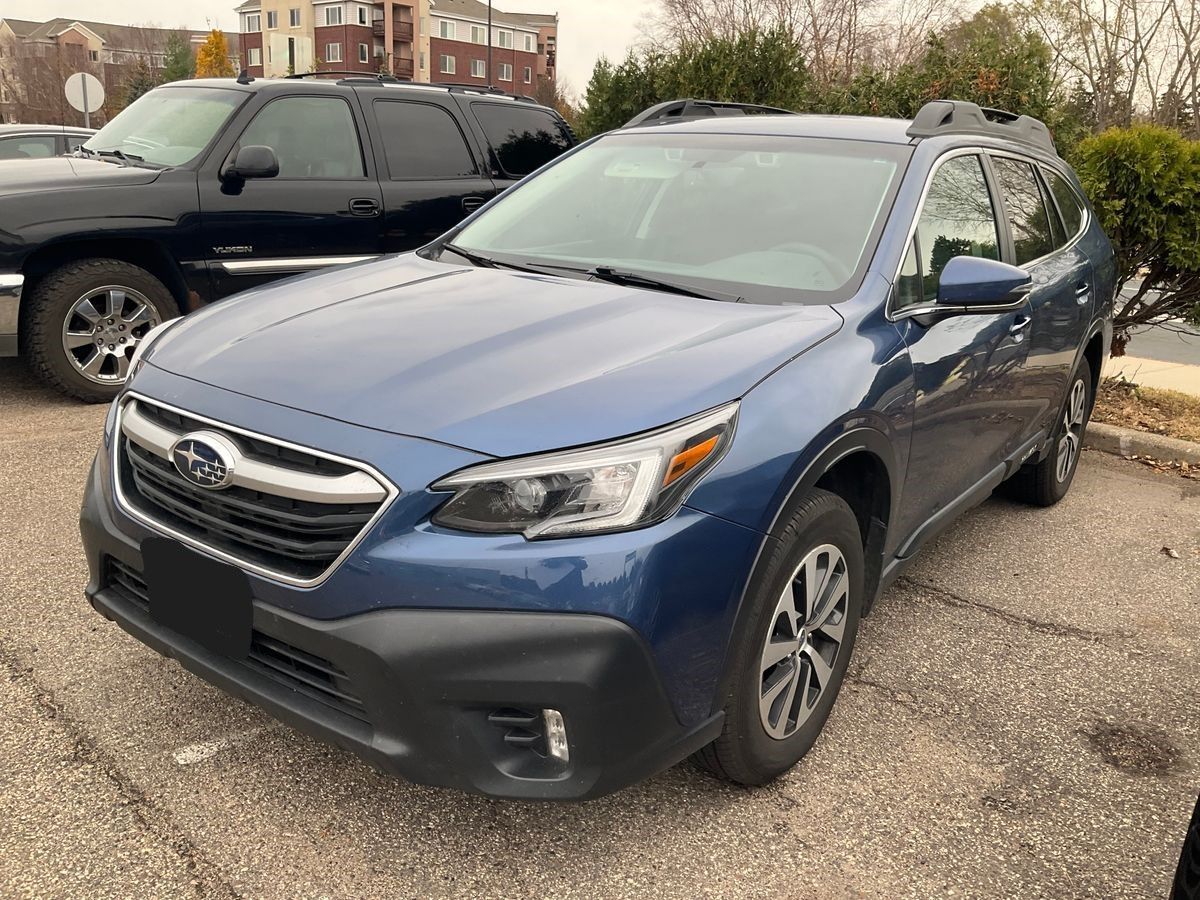
Subaru Outback is celebrated for its rugged capability, confident all‑weather handling, and comfortable ride. But those very strengths can mask an insidious problem: suspension aging. At Autopia Bloomington, we often see Outback owners assume that if their vehicle still rides “fine,” the suspension must be fine too. The reality is that suspension wear is gradual and cumulative. Instead of dramatic symptoms, it often presents as subtle changes that drivers adapt to rather than investigate — and that slow adaptation can allow small issues to evolve into costly repairs or compromised safety.
Understanding how suspension age shows up in real driving behavior — and why it’s often missed — helps you catch problems early, protect your vehicle’s performance, and maintain confidence on the road.
Everyday Driving Masks Wear Until It’s Worn
Unlike a dead battery or a flat tire, suspension wear doesn’t usually announce itself all at once. It develops slowly as rubber bushings dry out, shocks lose damping ability, and ball joints develop play. On smooth highways or gentle neighborhood streets, these changes are so subtle that most drivers don’t register them.
An Outback may still feel stable, but that stability becomes increasingly dependent on worn parts doing double duty. What once handled bumps with a controlled rebound starts to rebound a little more, even if your brain reclassifies it as “just how the car feels now.”
This silent degradation is why many Outback owners don’t notice until wear has spread to other systems — like uneven tire wear, premature brake strain, or steering instability.
Suspension Wear Changes How the Vehicle Interacts With the Road
The suspension system isn’t just there to smooth out bumps. It controls how tires contact the pavement during acceleration, turning, and braking. As components age:
- Shock absorbers lose their ability to dampen motion — the ride may feel passable, but your tires are spending less time actually gripping the road.
- Worn bushings and ball joints allow excess movement — alignment changes without adjustment, and the car starts to wander or push slightly when cornering.
- Strut mounts fatigue and bearings wear — noises that only happen at certain speeds get dismissed, but they indicate component battle fatigue.
Outback drivers often tell us, “I just thought it felt different,” or “It’s a little floaty now.” Those are classic early indicators that suspension components are no longer working as designed — and rather than being benign quirks, they directly affect safety margins and handling precision.
Potholes and Seasonal Roads Accelerate Wear
Bloomington roads are no joke. Winter freeze‑thaw cycles, potholes, uneven patches, and gravel surfaces all add stress. Every time your suspension absorbs a jolt, it loses a tiny bit of its original effectiveness. Most drivers attribute the after‑effects to the road conditions themselves — not realizing that the road has already changed their suspension.
Over time, repeated impacts cause:
- Shock and strut fluid seals to weaken
- Bushing rubber to crack or deform
- Alignment angles to drift without noticeable feel changes
These are silent, accumulating effects. They blend into the way the vehicle feels, making aging suspension seem normal instead of problematic.
Compensation Patterns Make It Feel “Good Enough”
The human brain is excellent at adapting. When your Outback’s suspension starts aging, you begin to adjust driving style without consciously realizing it. You slow down earlier for bumps, take corners more cautiously, and don’t notice slight wandering at highway speeds because it becomes your “baseline.” That adaptation is precisely what makes aging suspension so easy to overlook.
But the vehicle itself isn’t recalibrating — the suspension is simply losing capacity but still functioning well enough to get you down the road. And that’s the danger: systems can degrade somewhere between “fine” and “failed,” and most drivers never notice until it’s too late.
Why Professional Suspension Inspections Matter
Suspension wear doesn’t always trigger a warning light. It shows up as physical wear and measured component play — information that only a professional inspection will reveal. At Autopia Bloomington, our
professional vehicle inspections include detailed suspension evaluation:
- Physical checks of shocks, struts, and mounts
- Testing for bushing wear and ball‑joint integrity
- Alignment and tire interaction analysis
- Road‑force feedback during controlled test conditions
Identifying early signs of suspension aging allows you to correct wear before it negatively affects tire life, braking efficiency, steering responsiveness, or overall safety.
Protect Performance, Safety, and Longevity
If your Outback feels “slightly different” than it used to, that little difference matters. Suspension wear doesn’t always scream for attention, but its effects are real. What you think of as ride personality changes are often signs of hidden stress and component fatigue. Catching these early leads to:
- Smoother, more predictable handling
- Longer tire life
- More responsive braking
- Safer driving dynamics
At Autopia Bloomington, we help Bloomington drivers stay ahead of suspension wear through detailed inspections and preventative maintenance. Don’t wait until a subtle performance change becomes a sudden failure. Professional evaluation ensures your Outback continues to handle like it should — confident, stable, and capable — for years to come.