
Blog #190: The Common Mistakes Drivers Make That Shorten Vehicle Lifespan
Blog #190: The Common Mistakes Drivers Make That Shorten Vehicle Lifespan
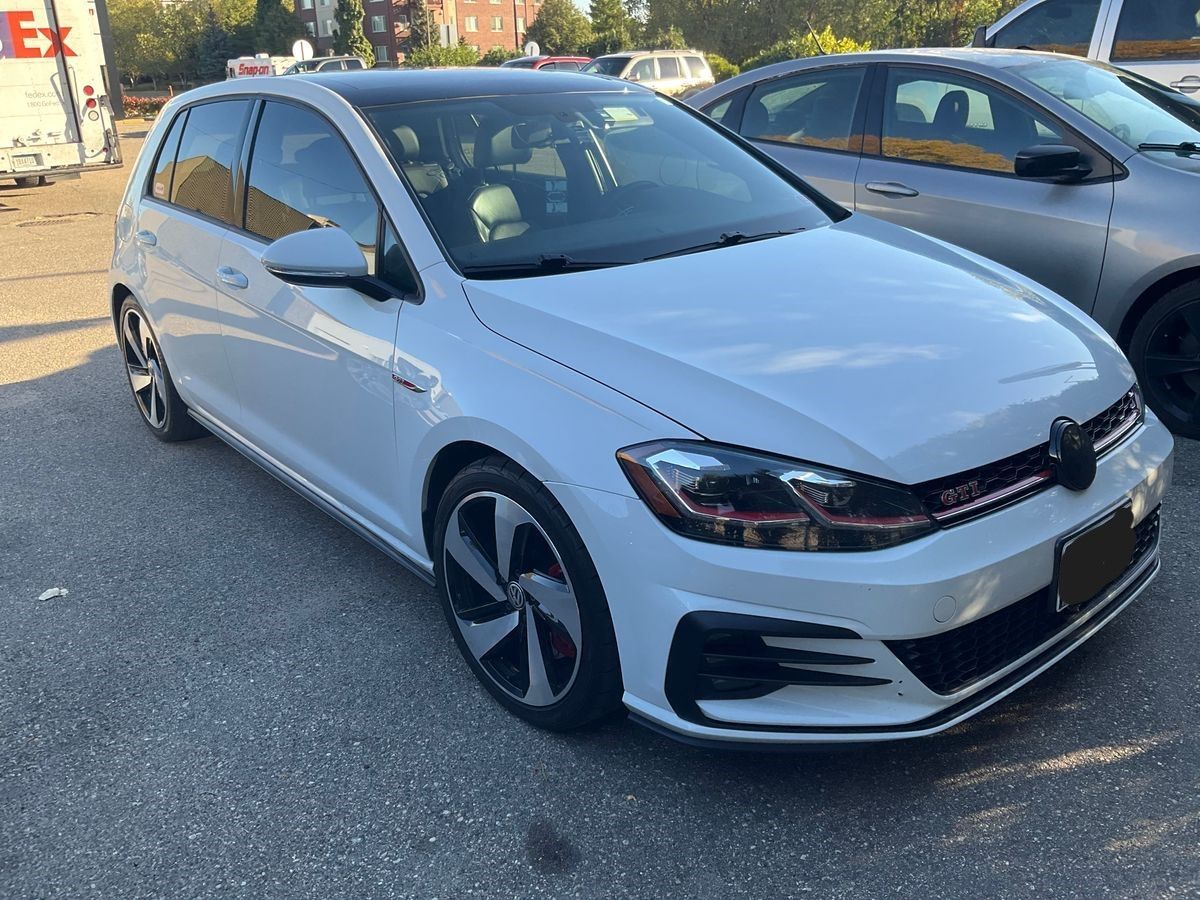
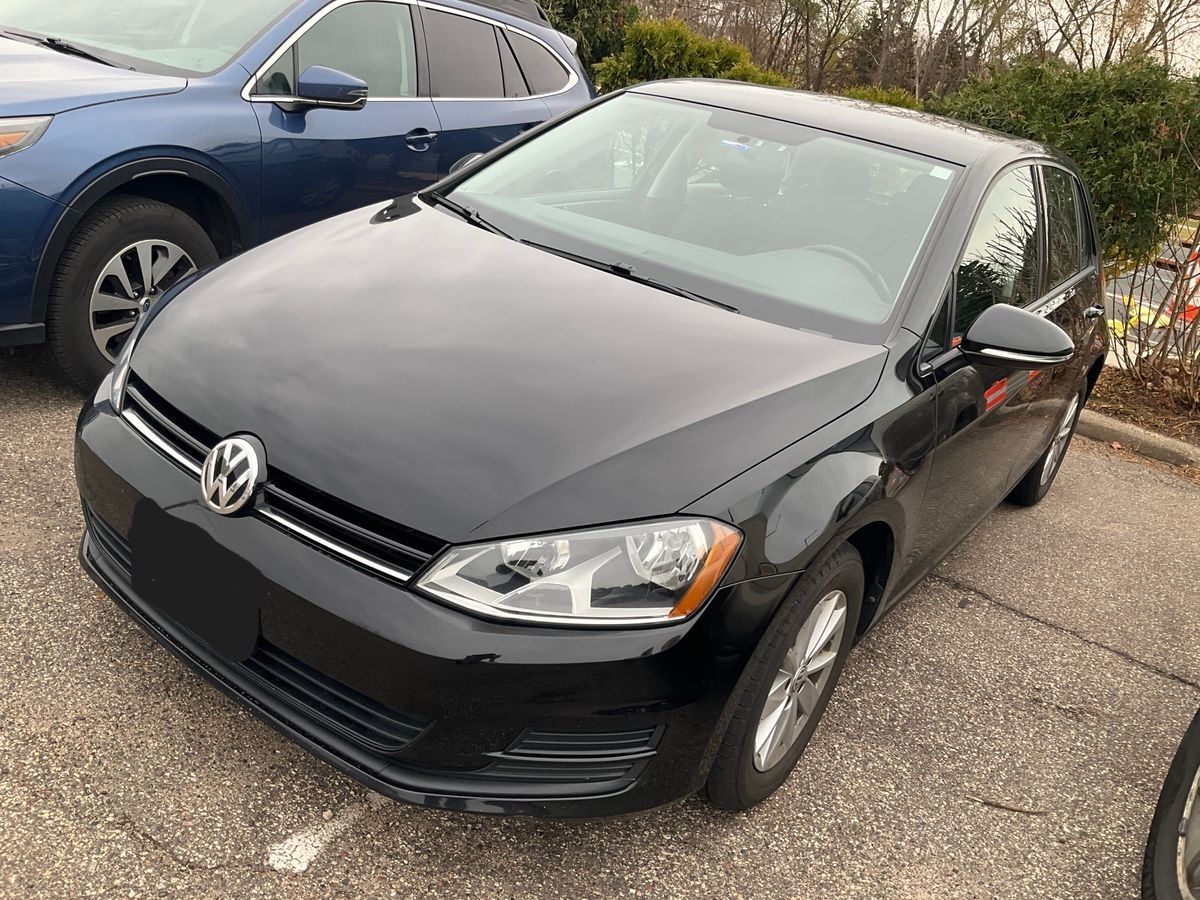
Most drivers know that routine maintenance—oil changes, tire rotations, and brake checks—helps keep a car running. But even beyond the basics, subtle habits and overlooked behaviors can quietly reduce a vehicle’s lifespan. At Autopia Bloomington, we regularly see cars that appear fine but have been unknowingly stressed by avoidable mistakes. Understanding these common missteps and addressing them with professional inspections can preserve performance, reliability, and value for years to come.
Ignoring Minor Noises and Vibrations
Small sounds—clunks, hums, or vibrations—are often dismissed as normal or “just part of driving.” The reality is that these signs usually indicate wear in suspension, drivetrain, or engine components. Left unaddressed, minor issues compound. A simple vibration can cause uneven tire wear, stress steering components, and even affect braking performance. Catching these problems early through professional inspections prevents small symptoms from becoming major, costly failures.
Overloading and Improper Vehicle Use
Many drivers unknowingly stress their vehicles by exceeding weight limits or misusing the drivetrain. Heavy cargo, towing beyond manufacturer recommendations, or frequent off-road driving places extra strain on suspension, brakes, and engines. Over time, this accelerates wear and can lead to premature component failure. Proper use and awareness of vehicle limits are simple but powerful ways to extend lifespan.
Delaying Preventive Maintenance
Postponing scheduled maintenance—fluid replacements, filter changes, and tire rotations—may seem harmless, but it allows wear to accumulate. Fluids degrade, belts harden, and filters clog, all of which increase friction and reduce efficiency. Over time, delayed maintenance can stress critical systems like the engine, transmission, and cooling system, shortening overall vehicle life. Professional inspections identify these areas before minor neglect turns into major repair.
Aggressive Driving Habits
Frequent hard acceleration, rapid braking, and sharp turns may seem exciting, but they accelerate wear on brakes, suspension, and tires. Engines also endure extra strain during repeated high-RPM driving, reducing efficiency and component longevity. Even small adjustments in driving style—smoother acceleration, gradual braking, and careful cornering—can significantly reduce long-term wear.
Ignoring Warning Lights and Dashboard Indicators
Modern vehicles are equipped with sensors and warning lights for a reason. Ignoring a check engine light, low tire pressure indicator, or ABS warning doesn’t make the problem go away. These alerts often signal system inefficiencies or early component failure. Professional inspections can diagnose the root cause before it affects multiple systems, preserving reliability and safety.
Neglecting Tires and Alignment
Tires and alignment are often overlooked but are critical for vehicle longevity. Underinflated or unevenly worn tires increase rolling resistance, reduce fuel efficiency, and place extra strain on suspension and steering components. Misaligned wheels accelerate tire wear and can also stress the drivetrain. Regular inspections, rotations, and alignments keep tires and connected systems healthy, protecting both performance and lifespan.
Why Professional Vehicle Inspections Matter
Many of these mistakes are easy to overlook in day-to-day driving. At Autopia Bloomington, our professional vehicle inspections evaluate suspension, drivetrain, brakes, tires, alignment, and engine performance to identify hidden stress points. By addressing potential issues early, we help drivers prevent compounding wear and protect the long-term health of their vehicles.
Protect Your Investment and Peace of Mind
Vehicles are investments, and their lifespan depends largely on how they are used and maintained. Minor habits—ignoring noises, delaying maintenance, or overloading the vehicle—may seem harmless, but they have real consequences. Professional inspections and preventative care are the most effective ways to extend a vehicle’s life, preserve reliability, and maintain resale value.
At Autopia Bloomington, we combine local expertise, thorough inspections, and a preventative-focused approach to help Bloomington drivers maximize performance and longevity. By identifying hidden issues, correcting risky habits, and providing guidance on proper care, we ensure your vehicle continues to operate safely and efficiently for years to come.