

Blog #219: 7 Ways to Keep Your Car in Better Condition Year-Round Without Guesswork or Surprises
Blog #219: 7 Ways to Keep Your Car in Better Condition Year-Round Without Guesswork or Surprises
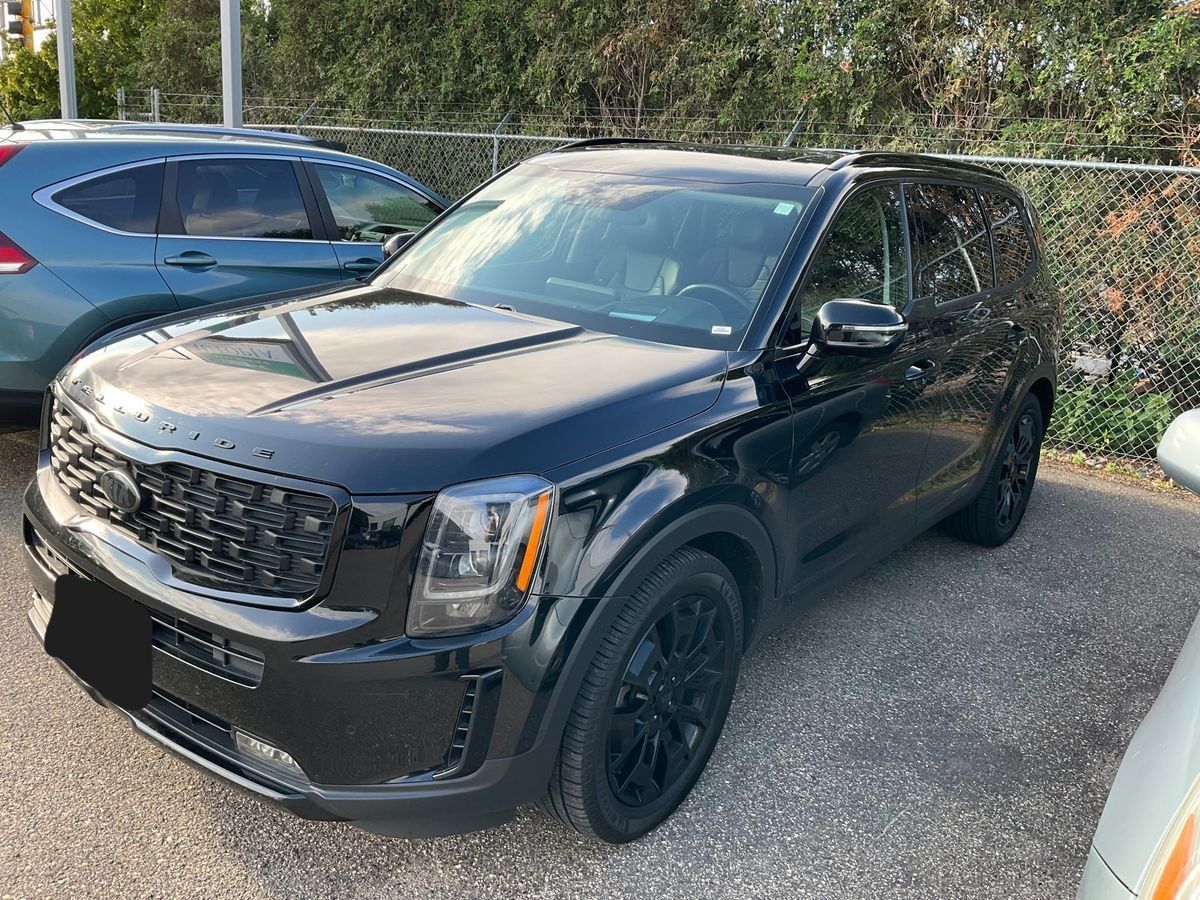

Most drivers don’t realize their car’s condition rarely changes suddenly. It shifts gradually, shaped by small habits, weather, and overlooked wear points that build up over time. That’s why some vehicles stay reliable for years while others start feeling “old” much earlier than expected.
At Autopia Bloomington, we see both cases regularly. The difference usually isn’t luck—it’s consistency. Year-round care isn’t about doing more work on your car. It’s about understanding how systems age and preventing small issues from stacking into bigger ones.
Pay Attention To Small Behavior Changes Before They Become Patterns
Cars rarely fail without warning. They change first. A slight delay in acceleration, a new vibration, or a small shift in how the steering feels can all be early signals of developing issues.
The problem is that these changes are easy to normalize. Drivers adjust without realizing it, which allows the issue to grow in the background. Catching these early differences is one of the most effective ways to prevent larger repairs later.
Understand That Fluids Don’t Just Decrease—They Degrade
Most people think fluids only matter when they get low, but condition is just as important as level. Over time, engine oil, coolant, and other essential fluids break down due to heat cycles and contamination.
When that happens, they lose efficiency even if they appear “fine.” This leads to increased friction, higher operating temperatures, and additional stress on engine components. Year-round reliability depends heavily on keeping fluids in proper condition, not just topping them off.
Don’t Ignore Tire Behavior Beyond Tread Depth
Tires are often judged only by how much tread is left, but performance depends on much more than that. Uneven wear, pressure imbalance, and aging rubber all affect how the vehicle handles.
Even slight inconsistencies can change braking distance and road grip, especially during sudden maneuvers or wet conditions. Over time, poor tire condition also forces other systems—like suspension and steering—to compensate, increasing wear elsewhere.
Let Electrical Issues Speak Early Instead of Waiting for Failure
Modern vehicles rely heavily on electrical systems. That means small inconsistencies can have wide effects. Flickering lights, delayed responses, or random warning indicators are often early signs of instability.
These issues may seem minor or temporary, but they often point to deeper electrical imbalance. Catching them early prevents cascading problems that can affect sensors, performance systems, and even drivability.
Recognize That Driving Habits Shape Long-Term Wear
Year-round condition is not just about maintenance—it’s also about behavior. Frequent short trips, harsh braking, and stop-and-go driving place different types of stress on the vehicle compared to steady highway use.
In climates like Bloomington, seasonal changes add even more strain. Cold starts, road salt, and temperature swings all influence how components age. The more these stresses accumulate, the faster wear becomes noticeable across multiple systems.
Pay Attention To Suspension Changes That Develop Slowly
Suspension wear doesn’t usually happen suddenly. It builds over time, affecting ride comfort, stability, and tire wear patterns. A vehicle may feel slightly “softer” or less controlled long before obvious failure occurs.
Because these changes are gradual, drivers often adapt without noticing. But ignoring early suspension changes allows uneven stress to spread, affecting alignment, tires, and steering response.
Don’t Wait For Warning Lights To Tell The Full Story
One of the biggest misconceptions about car care is relying only on dashboard alerts. Warning lights are useful, but they often appear after a problem has already progressed.
Many underlying issues—especially mechanical wear or early-stage system imbalance—don’t trigger alerts immediately. That’s why regular professional vehicle inspections are essential. They detect issues before they reach the point where the car has to “tell you” something is wrong.
Why Consistent Inspection Matters More Than Emergency Repair
Preventing problems is always more efficient than reacting to them. A structured approach to Bloomington car maintenance helps identify early wear patterns, system imbalance, and hidden damage before it spreads.
At Autopia Bloomington, we focus on how systems interact—not just individual parts. This approach helps catch small issues that don’t feel urgent yet but have the potential to become expensive if left unchecked.
Year-Round Reliability Is Built, Not Hoped For
Keeping a car in good condition isn’t about occasional fixes—it’s about consistency. Small checks, early awareness, and understanding how different systems age all contribute to long-term reliability.
With the right approach to
Bloomington auto repair and preventative care from a trusted
local mechanic in Bloomington, your vehicle can stay dependable through every season.
At Autopia Bloomington, we help drivers maintain that consistency with detailed inspections and practical maintenance strategies designed to prevent problems before they grow. Because the best-performing cars aren’t the newest ones—they’re the ones cared for with attention year-round.