
Blog #222: How Moisture Buildup Inside Your Car Leads to Electrical Issues
Blog #222: How Moisture Buildup Inside Your Car Leads to Electrical Issues
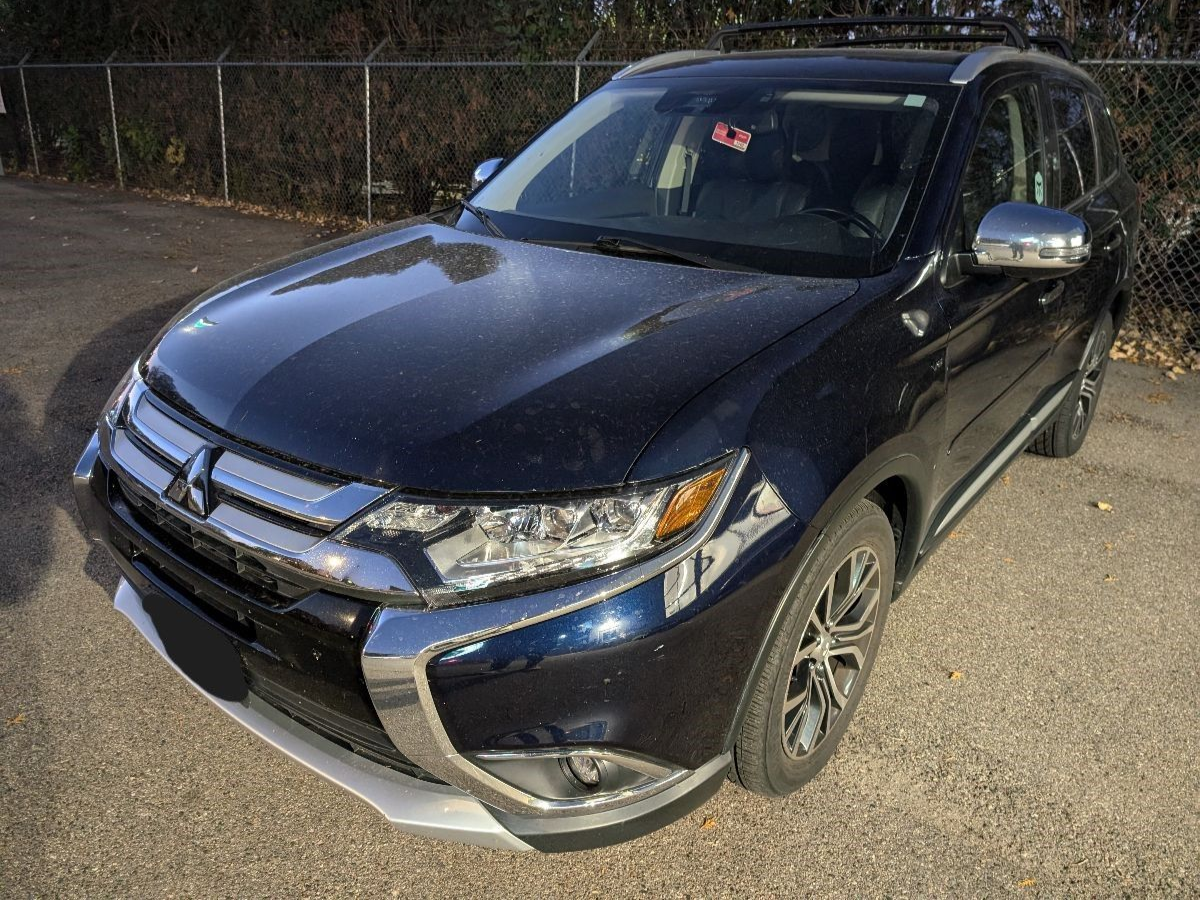
Most drivers think of water damage as something obvious—flooding, leaks, or soaked interiors. But some of the most damaging moisture problems inside a vehicle are far less dramatic. They build slowly, often unnoticed, and quietly interfere with electrical systems that modern cars depend on every day.
At Autopia Bloomington, we regularly diagnose electrical issues that aren’t caused by failed parts, but by moisture buildup inside the vehicle. What starts as a little condensation or dampness can gradually affect wiring, sensors, and control modules in ways that feel unpredictable and difficult to trace.
Moisture Doesn’t Need a Leak to Become a Problem
Water doesn’t always enter your car through a visible opening. It can build up from everyday conditions—humidity, wet shoes, rain-soaked clothing, or even temperature changes that create condensation inside the cabin.
Once moisture is present, it doesn’t just disappear. It settles into carpets, insulation, and hidden areas behind panels. Over time, this creates a damp environment that electrical components were never designed to handle.
Condensation Creates the Perfect Environment for Damage
Temperature differences between the inside and outside of your vehicle can cause condensation to form on surfaces, especially glass and metal components.
This moisture can drip or spread into areas where wiring and connectors are located. Even small amounts of repeated condensation can lead to corrosion over time, slowly affecting how electrical signals move through the system.
Electrical Connections Are Extremely Sensitive
Modern vehicles rely on precise electrical communication. Sensors, modules, and control units depend on stable connections to function properly.
Moisture interferes with this stability. It can create resistance in connectors, disrupt signal flow, and lead to inconsistent behavior. This is why electrical issues caused by moisture often appear “on and off,” making them difficult for drivers to understand.
Corrosion Starts Small but Spreads Quickly
When moisture reaches metal connectors or wiring, it can begin the process of corrosion. This doesn’t happen all at once. It starts as a thin layer of oxidation that gradually builds.
As corrosion spreads, it increases resistance and weakens connections. Eventually, this can lead to malfunctioning components, sensor errors, or complete circuit failure. By the time symptoms become noticeable, the damage has often progressed beyond the early stage.
Warning Signs Often Feel Random
Moisture-related electrical issues rarely follow a clear pattern. You might notice flickering interior lights, malfunctioning power windows, or dashboard warnings that come and go.
These symptoms often appear inconsistently because moisture levels inside the vehicle change with temperature and humidity. A system may work fine one day and fail the next, depending on environmental conditions.
Hidden Areas Are the Most Affected
Some of the most vulnerable areas are the ones drivers never see. Wiring harnesses run under carpets, behind dashboards, and along door panels. Control modules are often located in enclosed spaces where airflow is limited.
When moisture becomes trapped in these areas, it stays there longer. This creates ongoing exposure that increases the likelihood of long-term electrical damage.
Why Ignoring It Leads to Bigger Problems
Because the symptoms are inconsistent, many drivers delay addressing them. If the problem disappears temporarily, it’s easy to assume it’s not serious.
But moisture-related issues rarely resolve on their own. The underlying cause remains, and corrosion continues to develop. Over time, this can affect multiple systems, making repairs more complex and expensive.
Professional Inspection Makes the Difference
Diagnosing moisture-related electrical issues requires more than checking visible components. It involves identifying hidden moisture sources, testing electrical integrity, and inspecting areas that are not immediately accessible.
At Autopia Bloomington, our professional vehicle inspections focus on detecting these underlying conditions. We evaluate electrical systems, inspect vulnerable areas, and identify early signs of corrosion before they lead to major failures.
Preventing Moisture Buildup Over Time
Reducing moisture inside your vehicle starts with awareness. Keeping the interior dry, addressing leaks promptly, and allowing airflow when possible can help minimize buildup.
Regular Bloomington car maintenance also plays a role by ensuring seals, drainage systems, and components are functioning properly. These small steps can prevent moisture from becoming a long-term issue.
Protecting Your Vehicle’s Electrical Reliability
Electrical systems are at the core of modern vehicle performance. When moisture interferes with them, the effects can be widespread and unpredictable.
At Autopia Bloomington, we take a preventative approach to Bloomington auto repair, helping drivers identify and resolve hidden moisture issues before they escalate. Working with a trusted local mechanic in Bloomington ensures your vehicle stays reliable, even in changing weather conditions.
Because when it comes to electrical systems, the real problem isn’t always what you see—it’s what’s quietly building beneath the surface.