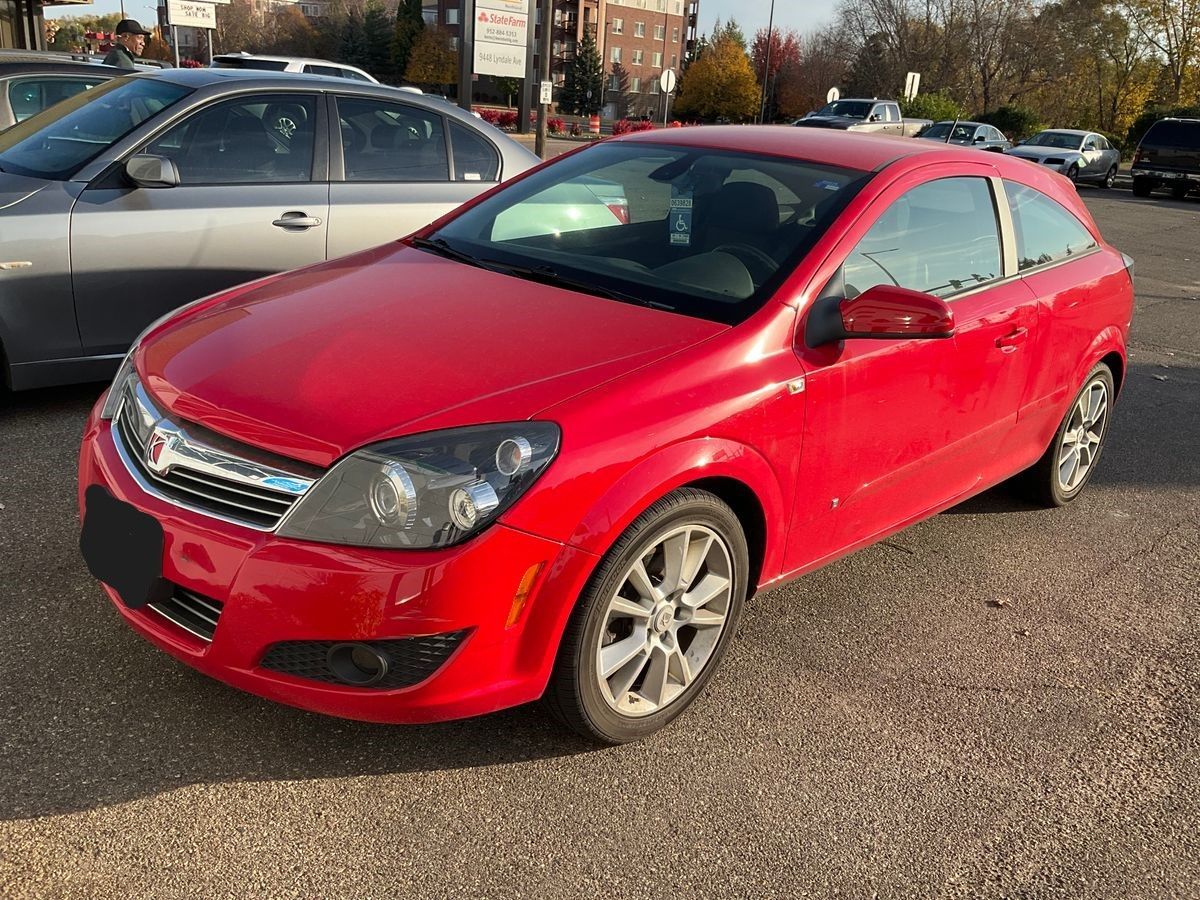


Blog #217: Why Your Car Behaves Differently After Long Periods of Rest
Blog #217: Why Your Car Behaves Differently After Long Periods of Rest
It’s a common experience for many drivers: your car sits unused for several days or even weeks, and when you finally start it again, something feels different. The engine may feel rough, the brakes may respond differently, or the battery seems weaker than usual.
At Autopia Bloomington, we often explain that cars are designed to be driven regularly. When a vehicle sits for an extended period, multiple systems begin to change—slowly but noticeably. These changes don’t always indicate damage right away, but they can affect performance, reliability, and safety if ignored.
Fluids Begin to Settle and Change Behavior
One of the first things affected during long periods of inactivity is your vehicle’s fluids. Engine oil, transmission fluid, brake fluid, and coolant are all designed to circulate regularly. When a car sits, these fluids settle and stop flowing through the system.
This can lead to delayed lubrication during startup. The engine may feel slightly rough or louder than normal for a few seconds. In some cases, moisture can also build up in certain fluids over time, slightly reducing their effectiveness and changing how the vehicle responds when you first drive it again.
Battery Drain Happens Even When the Car Is Off
Modern vehicles continue to draw small amounts of power even when parked. Systems like the clock, alarm, and onboard computers all rely on the battery. When a car sits for too long, this slow drain can weaken the battery.
A weakened battery may still start the car, but it can cause inconsistent electrical performance. You might notice dimmer lights, slower startup, or minor electrical irregularities. These symptoms often become more noticeable after longer periods of rest because the battery hasn’t had a chance to recharge fully through driving.
Tires Can Temporarily Lose Shape
When a vehicle remains stationary for days or weeks, the weight of the car presses down on the same area of the tires. This can cause temporary flat spots to form.
When you start driving again, you may feel vibrations or uneven movement, especially at lower speeds. In most cases, these flat spots resolve after driving for a short distance, but repeated long-term storage without movement can contribute to uneven tire wear and reduced tire lifespan.
Braking Feel May Change
Brake components can also behave differently after inactivity. A thin layer of rust can form on brake rotors when a car is parked for extended periods, especially in humid conditions.
This surface rust is usually removed after a few stops, but during the first drive, you may notice a slightly different braking feel or minor noise. Brake pads and calipers may also feel less responsive at first until everything re-engages fully through use.
Fuel and Engine Response Can Feel Off
Fuel can begin to degrade slightly when left unused for long periods. While modern fuel systems are designed to handle this, extended inactivity can still affect combustion quality.
As a result, the engine may feel less responsive or slightly rough during the first few minutes of driving. Once fresh fuel circulates through the system and the engine reaches normal operating temperature, performance typically stabilizes.
Rubber and Seals Adjust Over Time
Rubber components such as seals, hoses, and belts can stiffen slightly when not in use. These parts rely on regular movement and temperature cycles to stay flexible.
After a long rest, they may not immediately perform at their best, which can lead to minor noises or slight changes in how the engine runs. While this doesn’t always indicate failure, it can be an early sign of aging components that should be monitored.
Why These Changes Feel Noticeable
Your car adapts to regular use. When it’s driven daily, all systems stay lubricated, charged, and balanced. When that routine is interrupted, even briefly, the balance shifts.
This is why the first drive after a long rest often feels “off,” even if nothing is technically broken. The vehicle simply needs time to return to its normal operating rhythm.
When to Pay Attention
While most post-rest changes are temporary, repeated or worsening symptoms should not be ignored. If rough starts, unusual noises, or weak performance continue beyond the first few drives, it may indicate an underlying issue that was already developing before the vehicle was parked.
At Autopia Bloomington, our professional vehicle inspections help identify whether these symptoms are temporary effects of inactivity or signs of deeper mechanical or electrical concerns.
Keep Your Vehicle Healthy Even When Not in Use
Regular driving is one of the best ways to maintain your vehicle’s health. It keeps fluids circulating, the battery charged, and components properly lubricated. If a car must sit for long periods, occasional startup or short drives can help reduce these effects.
With consistent
Bloomington car maintenance and timely
Bloomington auto repair, you can ensure your vehicle stays reliable even after periods of rest.
At Autopia Bloomington, we help drivers understand how time affects their vehicles and provide preventative care that keeps performance stable, whether the car is driven daily or occasionally.