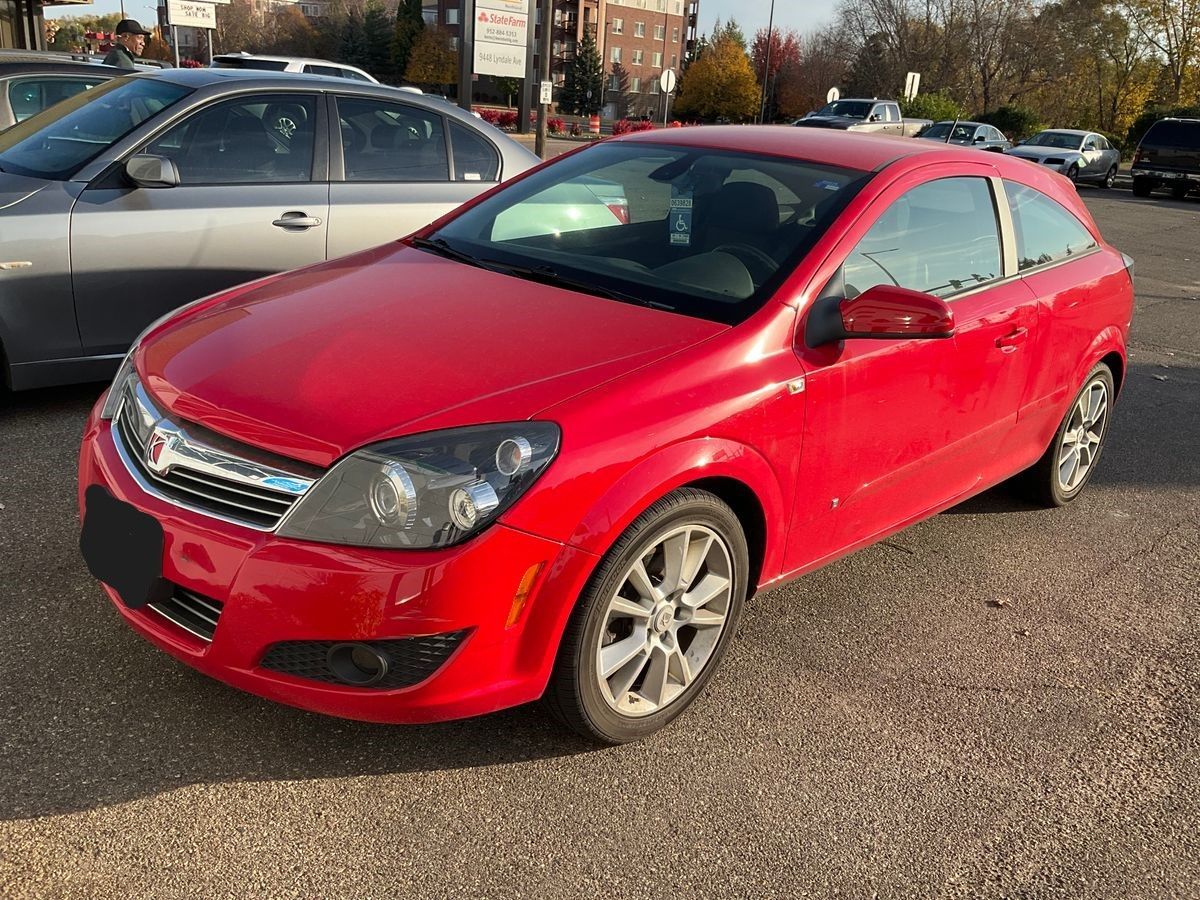


Blog #227: Why Some Vehicles Age Faster Even With Low Mileage
Blog #227: Why Some Vehicles Age Faster Even With Low Mileage


Most drivers assume low mileage automatically means a vehicle is in excellent condition. It sounds logical: fewer miles should mean less wear. But in reality, mileage tells only part of the story.
At Autopia Bloomington, we often inspect vehicles with surprisingly low mileage that already show signs of aging normally associated with much older cars. Meanwhile, some higher-mileage vehicles remain in far better condition because they’ve been driven and maintained consistently. The difference comes down to how a vehicle is used, stored, and maintained over time—not just how far it has traveled.
Time Wears Vehicles Down Too
Cars don’t age only from driving. They also age from sitting still. Rubber seals dry out, fluids degrade, batteries weaken, and moisture slowly affects internal components even when the vehicle is barely used.
This is one of the biggest misconceptions about low-mileage vehicles. Drivers often assume the car is “preserved” because it hasn’t been driven much, but inactivity creates its own type of wear. Mechanical systems are designed to operate regularly. When they sit unused for long periods, deterioration can happen quietly in the background.
Short Trips Create Long-Term Stress
Many low-mileage vehicles are driven only for short trips. While that may seem gentle on the car, it actually creates challenging conditions for the engine and other systems.
Short drives often don’t allow the engine to fully reach optimal operating temperature. This means moisture and condensation inside the engine may not fully evaporate, fluids don’t circulate as efficiently, and the battery may not fully recharge. Over time, repeated short-trip driving accelerates wear in ways many drivers don’t expect.
Rubber Components Age Regardless Of Mileage
Belts, hoses, seals, and suspension bushings are all affected by time and environmental exposure. Heat cycles, cold weather, humidity, and UV exposure gradually break down rubber materials even if the vehicle is rarely driven.
This is why a low-mileage vehicle can still develop fluid leaks, cracking seals, or suspension issues. Mileage may be low, but the materials themselves continue aging year after year.
Fluids Break Down Even When the Car Sits
Engine oil, coolant, brake fluid, and transmission fluid don’t remain in perfect condition forever. Over time, exposure to air, moisture, and temperature fluctuations slowly changes their effectiveness.
A vehicle that sits for extended periods may actually experience more fluid degradation because the fluids are not circulating regularly. Contaminants settle, moisture builds, and protective additives lose effectiveness. This creates internal wear that isn’t immediately visible but gradually affects long-term reliability.
Storage Conditions Matter More Than Most Drivers Realize
Where and how a vehicle is stored has a major impact on how it ages. Cars exposed to humidity, fluctuating temperatures, or outdoor conditions often deteriorate faster regardless of mileage.
Moisture buildup can affect electrical systems, encourage corrosion, and accelerate rust formation underneath the vehicle. Even indoor storage isn’t perfect if the environment traps humidity or lacks proper ventilation. Over time, environmental exposure becomes just as important as actual driving distance.
Low Mileage Can Hide Developing Problems
One reason low-mileage vehicles seem appealing is because they often feel newer at first glance. But limited use can actually delay symptoms instead of preventing problems.
Aging components may not show obvious signs until the vehicle starts being driven more consistently again. Suddenly, issues like rough performance, weak batteries, sticking brakes, or leaking seals begin appearing one after another. The vehicle didn’t suddenly “become bad”—the underlying aging process was already happening quietly.
Consistent Use Is Often Better Than Occasional Use
Vehicles generally perform best when they are driven regularly and maintained consistently. Regular operation keeps fluids circulating, seals lubricated, and batteries charged.
Cars that sit too often tend to develop hidden wear patterns because systems are not being exercised the way they were designed to be. Ironically, moderate consistent driving is often healthier for a vehicle than extremely low use spread over many years.
Why Professional Inspection Matters
Low mileage alone should never be used as the only indicator of vehicle condition. A proper evaluation looks beyond the odometer and focuses on how the vehicle has aged overall.
At Autopia Bloomington, our professional vehicle inspections evaluate fluid condition, rubber components, electrical systems, suspension wear, and hidden signs of aging that mileage alone cannot reveal. This helps drivers understand the true condition of the vehicle—not just the number on the dashboard.
The Real Measure Of Vehicle Health
A well-maintained vehicle with moderate mileage can often be more reliable than a neglected low-mileage car. Long-term condition depends on consistency, environment, maintenance habits, and how the systems have aged together over time.
With regular Bloomington car maintenance and guidance from a trusted local mechanic in Bloomington, drivers can keep vehicles aging more slowly and more predictably regardless of mileage.
At Autopia Bloomington, we take a preventative approach to Bloomington auto repair, helping drivers understand that true vehicle health is not measured only by miles driven—but by how well the vehicle has been cared for throughout its entire life.