

Blog #230: Why Modern Vehicles Require More Than Basic Maintenance
Blog #230: Why Modern Vehicles Require More Than Basic Maintenance
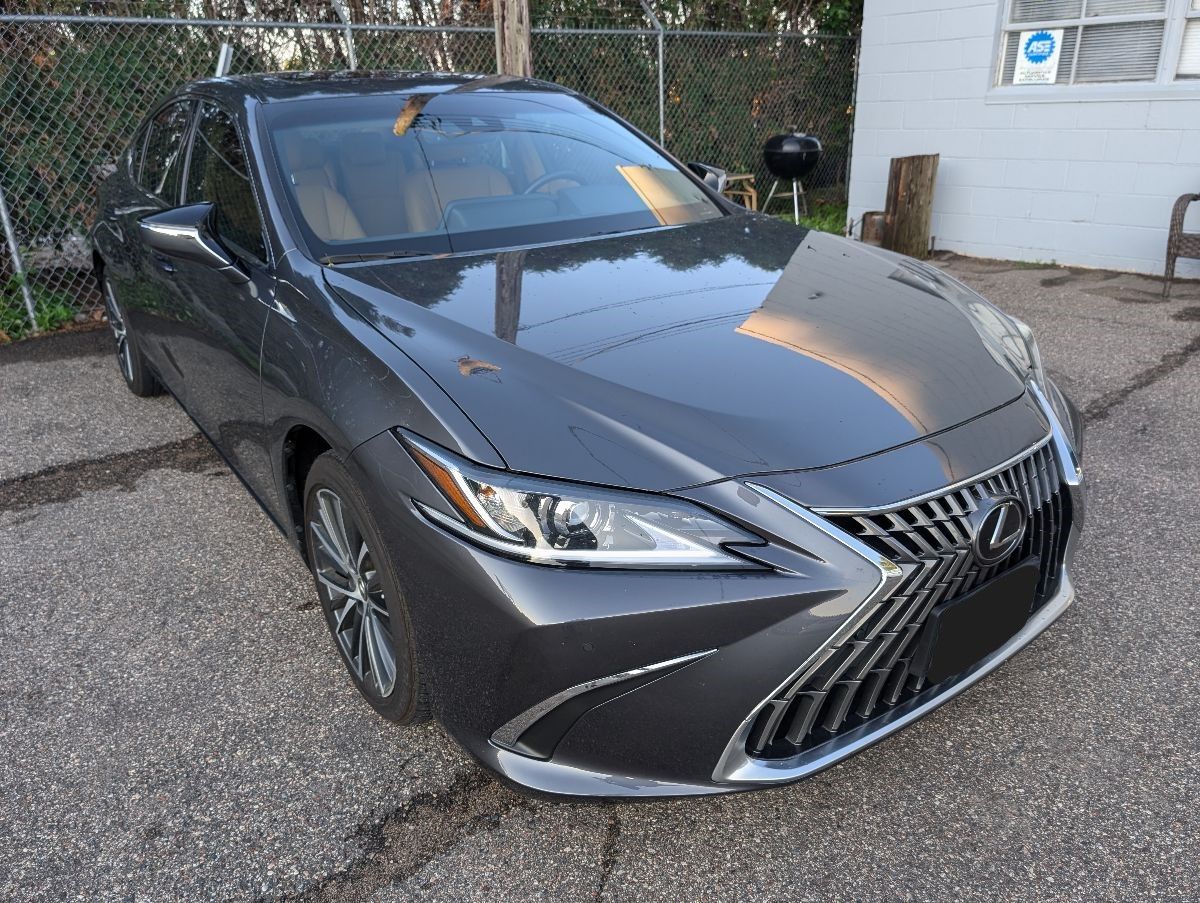

Cars today are more advanced than they were even a decade ago. Modern vehicles are packed with technology designed to improve safety, fuel efficiency, performance, and comfort. From advanced sensors and computer-controlled systems to driver-assistance features and complex electrical networks, today’s vehicles operate very differently from older models.
At Autopia Bloomington, we often see drivers assume that routine oil changes and occasional tire rotations are enough to keep their vehicles running properly. While those services are still important, modern vehicles require a broader approach to maintenance. As technology evolves, so do the needs of the systems working behind the scenes.
Today’s Vehicles Rely on Connected Systems
Unlike older vehicles that depended heavily on mechanical components alone, modern cars rely on multiple systems communicating with one another. Sensors constantly collect information and send it to control modules that adjust engine performance, transmission behavior, braking response, and more.
Because these systems are interconnected, a small issue in one area can affect performance elsewhere. A sensor irregularity, electrical imbalance, or software-related issue may not seem significant initially, but it can influence how other components operate over time.
Warning Lights Do Not Tell the Full Story
Many drivers wait for a dashboard warning light before addressing vehicle concerns. While warning systems are helpful, they are not designed to detect every developing issue immediately.
Modern vehicles often compensate for small performance changes before triggering alerts. Systems can temporarily adjust fuel delivery, timing, or electrical behavior to maintain normal operation. As a result, subtle issues may exist long before a warning light appears. Waiting for a dashboard alert can sometimes mean waiting until the problem has already progressed.
Advanced Technology Means More Precision
Modern engines and transmissions operate with much tighter tolerances than older designs. Components are engineered for efficiency and optimized performance, leaving less room for neglected maintenance.
Even small changes in fluid condition, sensor performance, or system calibration can affect how efficiently the vehicle operates. What once may have been considered minor wear can now influence fuel economy, drivability, and long-term reliability much sooner.
Fluids Do More Than They Used To
Vehicle fluids are no longer just lubricants or coolants. In many modern systems, fluids play critical roles in pressure control, temperature management, and system protection.
As fluids age, contamination and breakdown can affect multiple systems simultaneously. Maintaining fluid quality has become increasingly important because modern components depend on precise operating conditions to function correctly.
Electrical Systems Have Become More Complex
Today’s vehicles contain significantly more wiring, modules, and electrical features than previous generations. Power seats, cameras, driver-assist systems, adaptive lighting, and integrated safety technologies all depend on stable electrical performance.
Because of this complexity, small electrical inconsistencies can create symptoms that seem unrelated. A weak battery, poor connection, or voltage fluctuation can influence multiple systems at once, making preventative inspection more important than ever.
Driving Conditions Impact More Than Just Wear
Daily driving habits and environmental conditions now affect vehicle systems in broader ways. Stop-and-go traffic, short trips, temperature changes, and seasonal conditions all place different types of stress on modern components.
In places with changing weather conditions, these effects become even more noticeable. Moisture, road salt, and temperature fluctuations can influence electronics, sensors, and mechanical systems long before visible symptoms appear.
Maintenance Has Become More Predictive Than Reactive
Vehicle care today is no longer only about fixing problems after they happen. Preventative maintenance now focuses on identifying trends before they develop into failures.
At Autopia Bloomington, our professional vehicle inspections go beyond basic maintenance items. We evaluate system behavior, monitor developing wear patterns, and identify subtle changes that may indicate future concerns. This approach helps catch issues early rather than waiting for complete failure.
Why Basic Maintenance Alone Is Not Enough
Oil changes and tire services remain essential, but they only address part of the picture. Modern vehicles require attention to electrical systems, fluid condition, sensor behavior, and overall system interaction.
Ignoring these areas can allow small issues to grow quietly in the background. Vehicles may continue operating normally while hidden wear gradually develops, leading to more complicated repairs later.
Long-Term Reliability Requires a Bigger Picture Approach
Modern vehicles are designed to deliver excellent performance and efficiency, but they also require more informed care. Understanding how systems interact is now just as important as maintaining individual components.
With regular Bloomington car maintenance and support from a trusted local mechanic in Bloomington, drivers can stay ahead of issues before they affect reliability.
At Autopia Bloomington, we take a preventative approach to Bloomington auto repair, helping drivers maintain every part of the vehicle—not just the basics. Because today’s cars are smarter than ever, and keeping them running properly requires care that goes beyond routine maintenance alone.