
Blog #96: Cheap Auto Parts vs. Quality Parts: What Every Driver in Bloomington Needs to Know
Blog #96: Cheap Auto Parts vs. Quality Parts: What Every Driver in Bloomington Needs to Know
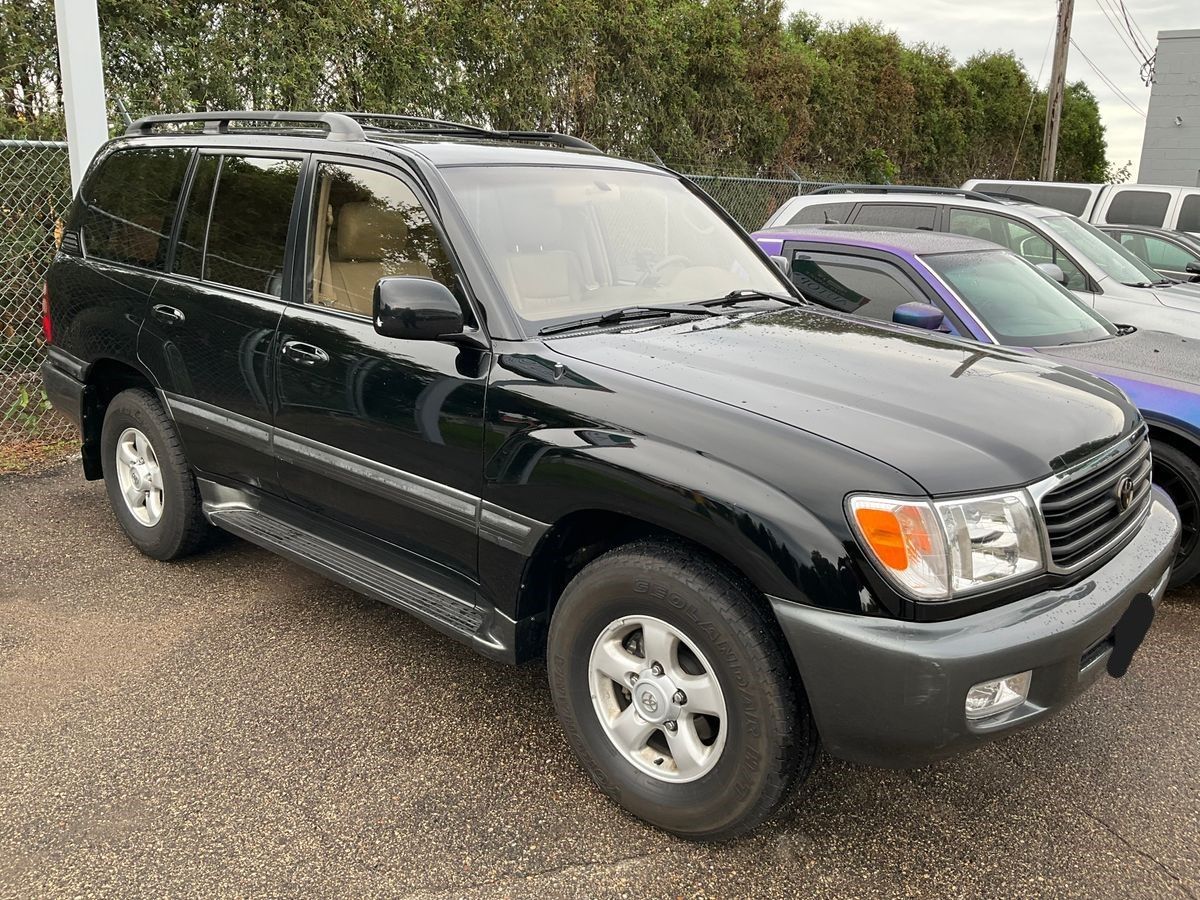
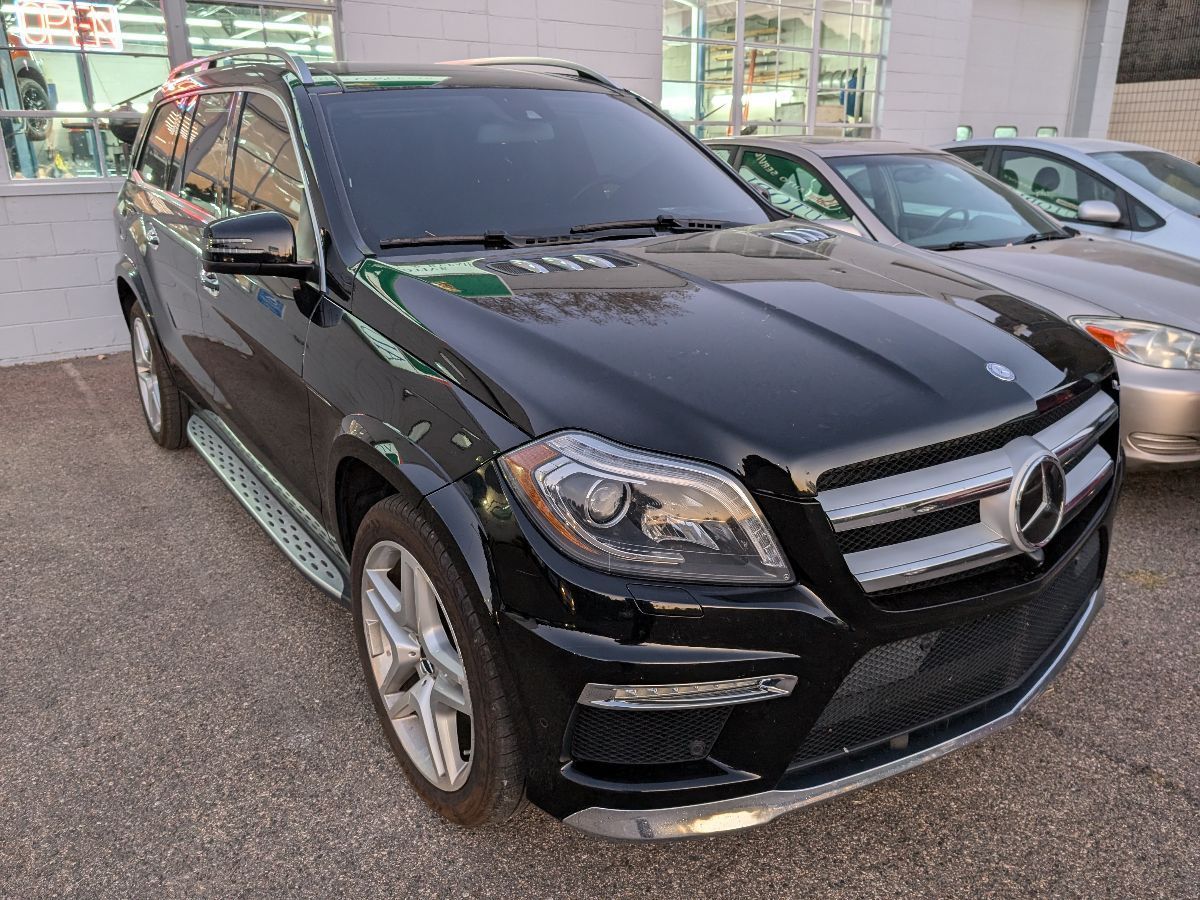
At Autopia Bloomington, we’ve seen the long-term impact of cutting corners with low-quality auto parts. While aftermarket parts may seem like a quick way to save money, they often come with hidden costs—both financially and in terms of safety. If you’ve ever asked, “Are cheap car parts really worth it?”—this blog is for you.
Why Do People Choose Cheap Auto Parts?
- Lower upfront cost
- Online availability
- Tempting promotions or bundles
- Urgent repairs with limited budget
While understandable, these choices often sacrifice long-term performance, warranty compatibility, and even driver safety.
The Hidden Costs of Cheap Auto Parts
1. Premature Wear and Tear
Low-cost parts tend to be made with subpar materials. They wear out faster, meaning you’ll be replacing them more often.
Example: Cheap brake pads can wear down quickly and even damage your rotors—leading to higher repair bills.
2. Poor Fit and Compatibility
Aftermarket parts aren’t always manufactured with your specific vehicle model in mind. A poor fit can lead to performance issues or further mechanical damage.
Example: Misfitting suspension components can result in uneven tire wear and alignment problems.
3. Void Warranties
Many vehicle warranties (especially for luxury or newer vehicles) are voided if repairs or replacements are made with non-OEM or unapproved parts.
Your vehicle manufacturer and extended warranty provider may deny future claims due to incompatible or non-certified parts.
4. Safety Risks
From brake failures to airbag malfunctions, low-quality parts may not meet safety standards.
Example: Counterfeit or poorly tested airbag sensors can delay deployment—or fail entirely—in an accident.
5. Higher Long-Term Costs
Saving $100 now could cost you $1,000 later in repairs, towing, or even insurance claims due to failed parts.
Why Quality (OEM or Certified Aftermarket) Parts Matter
- Reliable performance
- Safer driving experience
- Warranty protection
- Longer service life
- Better resale value
At Autopia Bloomington, we use only high-quality, OEM or certified aftermarket parts approved for your vehicle make and model.
FAQ: Cheap Auto Parts vs. Quality Parts
Q: Are all aftermarket parts bad?
A: No. There are high-quality aftermarket parts that meet or exceed OEM standards. The key is knowing which brands are trusted—and which to avoid.
Q: How do I know if a part is genuine or counterfeit?
A: Always purchase from a reputable auto shop or dealership. At Autopia Bloomington, we only source certified components.
Q: Can I bring my own parts to the shop?
A: Some shops allow this, but we recommend a consultation first. Using low-grade parts can affect your repair warranty.
Q: Is it worth paying more for OEM parts?
A: In most cases, yes—especially for major systems like brakes, suspension, and electronics. The long-term reliability and safety benefits are worth it.
The Autopia Bloomington Difference
At Autopia Bloomington, we don’t cut corners. Our ASE-certified technicians:
- Carefully source and install only high-quality, approved parts
- Explain the differences in part options and warranties
- Offer transparent pricing with no hidden upsells
- Back our work with reliable warranties
We’re proud to serve the Bloomington community with integrity, expertise, and a commitment to long-term vehicle health.
Final Thoughts
While it’s tempting to save money on parts,
cheap components often come with hidden risks that can cost you more in the long run. Don’t let a bargain compromise your vehicle’s performance or your family’s safety.
Trust your vehicle with the professionals at Autopia Bloomington, where quality always comes first. Schedule your service with us today and drive away with confidence, knowing your car is equipped with the best.