

Blog #98: Tesla Charging Mistakes That Damage Your Battery (And How to Avoid Them in Bloomington)
Blog #98: Tesla Charging Mistakes That Damage Your Battery (And How to Avoid Them in Bloomington)
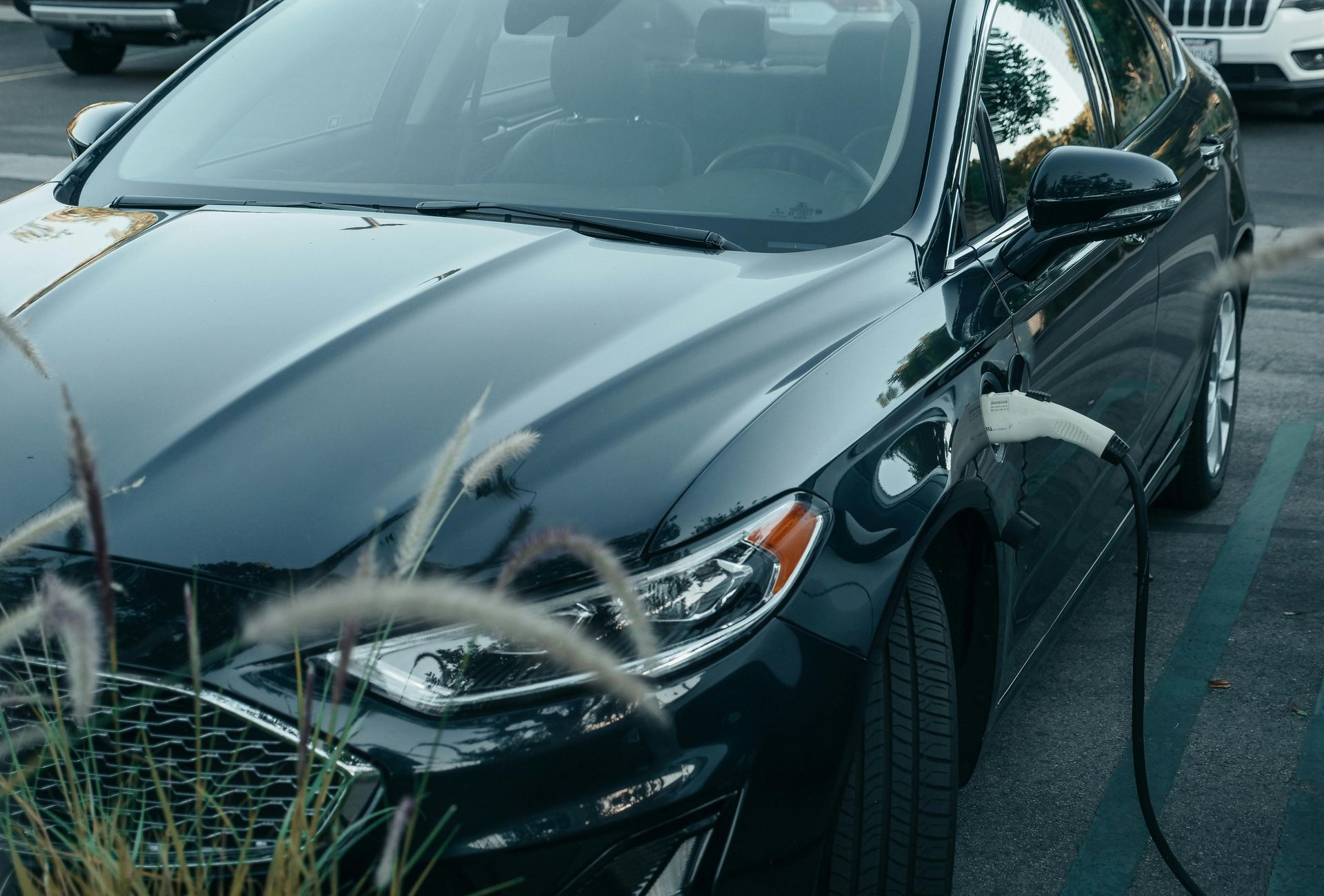
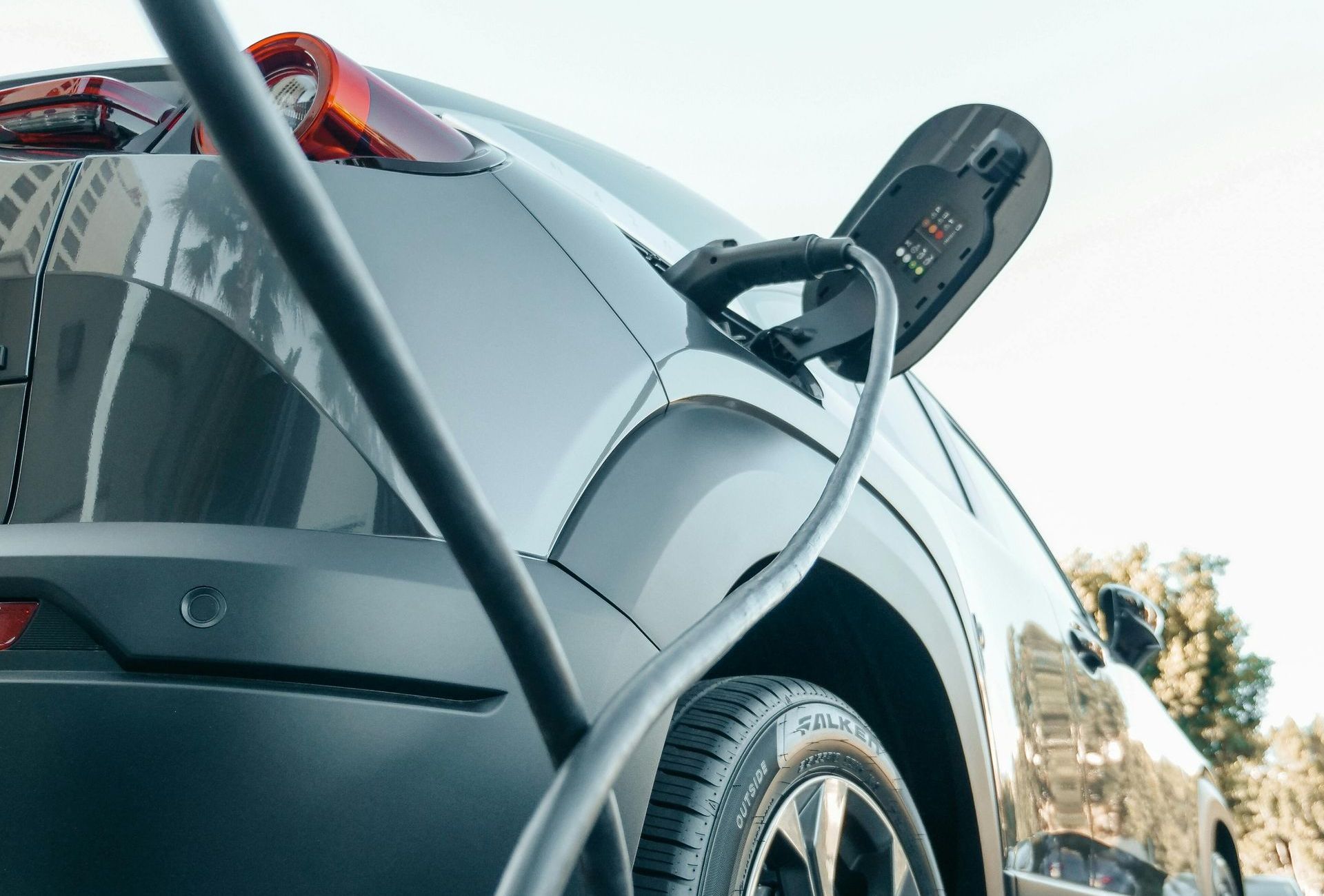
When it comes to electric vehicles, Tesla leads the way in innovation, performance, and design. But even the most advanced technology needs proper care—especially the battery. At Autopia Bloomington, we often see Tesla owners unintentionally reducing their battery lifespan simply because of poor charging habits.
If you're a Tesla driver in Bloomington or nearby, this guide will help you avoid costly mistakes and maximize your vehicle's long-term performance.
Why Tesla Battery Care Matters
Your Tesla’s lithium-ion battery is designed to last 300,000 to 500,000 miles, but improper charging can cause premature degradation—leading to:
- Reduced driving range
- Slower charging
- Higher repair costs
- A drop in resale value
Avoiding common pitfalls and staying proactive with battery diagnostics and service at Autopia Bloomington can extend your Tesla’s performance for years to come.
Top 5 Tesla Charging Habits That Secretly Harm Your Battery
1. Always Charging Overnight Without Monitoring
Many Tesla owners plug in their vehicle every night, even when the battery doesn’t need it. While Tesla’s Battery Management System helps, unnecessary daily charging can slowly degrade the battery.
Solution: Monitor your driving habits. If you’re not using much range daily, consider charging every other night or only when needed.
2. Ignoring Scheduled Charging Features
Tesla provides smart features like Scheduled Departure and Scheduled Charging, but many owners skip setting them up.
Solution: Use scheduled charging to optimize charging during off-peak hours and keep the battery temperature more stable.
3. Leaving the Car Plugged in After Full Charge
Even though Tesla manages charge automatically, keeping the vehicle plugged in at 100% for long periods can create unnecessary thermal strain.
Solution: Unplug after reaching your charging limit or schedule charging to end close to your departure time.
4. Charging Without Preconditioning in Cold Weather
In Bloomington winters, charging a cold battery can lead to slower speeds and long-term wear.
Solution: Use the Tesla app to precondition your car before plugging in, especially in low temperatures.
5. Overlooking Battery Software Updates
Tesla frequently releases battery efficiency and safety updates. Skipping these can result in poor performance or inaccurate range estimation.
Solution: Visit Autopia Bloomington or connect your Tesla to Wi-Fi regularly to ensure you get the latest software updates for battery care.
Additional Pro Tips for Tesla Battery Longevity
- Enable Scheduled Departure so your car warms or cools before your commute
- Avoid letting your car sit unplugged for long periods
- Keep your Tire Pressure Monitoring System (TPMS) in check to reduce battery drain from drag
FAQ: Tesla Battery Charging in Bloomington
Q: Is it okay to charge my Tesla to 100%?
A: Yes—for long trips. But for daily driving, keeping it at 80–90% reduces wear.
Q: How long should my Tesla battery last?
A: With proper care, most Tesla batteries last 300,000–500,000 miles.
Q: What’s the best type of charging for daily use?
A: Level 2 home charging is ideal. It's gentler and helps preserve battery health.
Q: Can cold weather damage my Tesla battery?
A: Extreme cold can temporarily reduce range. Use Scheduled Departure and preconditioning to reduce impact.
Q: Does Autopia Bloomington offer Tesla battery diagnostics?
A: Absolutely. We provide
EV-specific maintenance, including battery health checks and software updates tailored for Tesla models.
Final Thoughts: Protect Your Tesla Investment with Smart Charging
Your Tesla is a cutting-edge vehicle—but its battery needs thoughtful care. Small changes in your daily habits can add years to its lifespan and save you from expensive repairs or range anxiety.
If you're a Tesla owner in Bloomington, trust Autopia Bloomington to help you stay ahead of battery wear with expert EV service and honest advice.
Book your Tesla battery check-up today at Autopia Bloomington—where modern electric performance meets trusted, local care.