

Car Radiator Maintenance: How to Prevent Overheating and Expensive Repairs
nicklawson311 • March 3, 2025
Car Radiator Maintenance: How to Prevent Overheating and Expensive Repairs
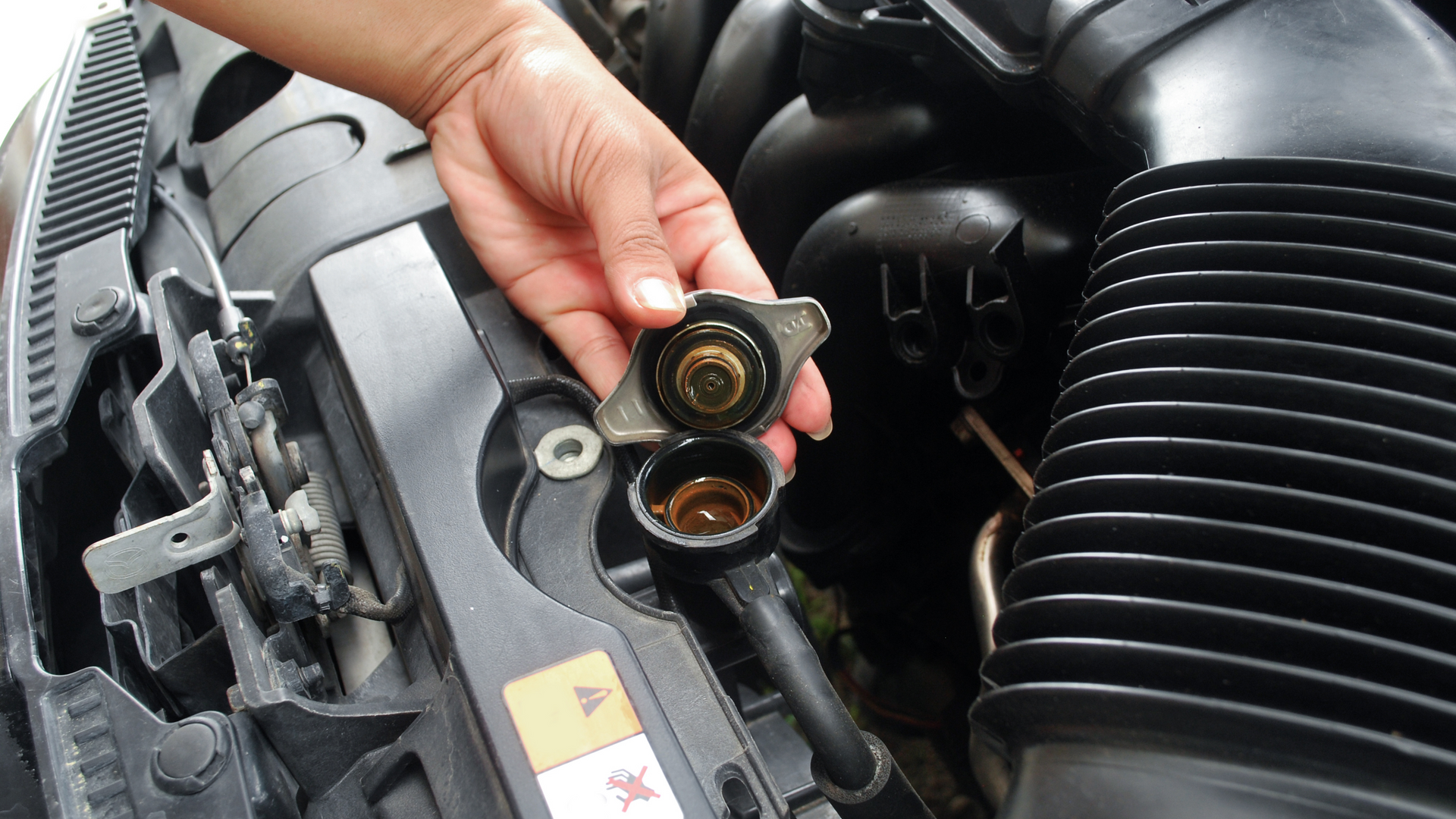
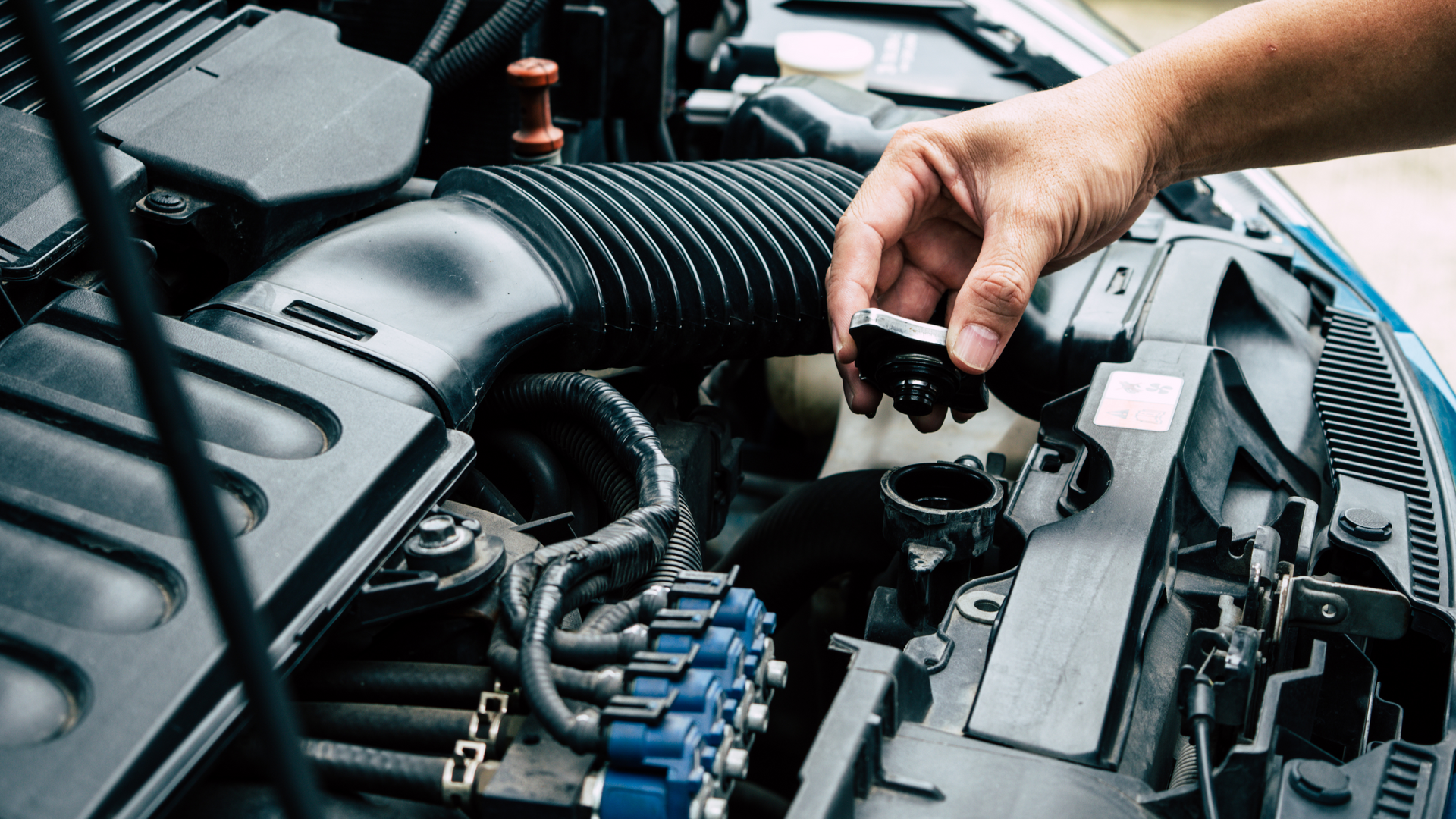
Your car’s radiator is one of the most crucial components of your vehicle’s cooling system. Without proper maintenance, your engine can overheat, leading to costly repairs and even total engine failure. Keeping your radiator in top shape ensures your vehicle runs efficiently and safely. At Autopia Bloomington, we specialize in radiator inspections and maintenance to help you avoid unexpected breakdowns.
Why Your Radiator Matters
- Prevents Engine Overheating – The radiator dissipates heat from the engine, ensuring it operates at a safe temperature and preventing severe damage.
- Circulates Coolant Efficiently – A properly functioning radiator ensures coolant flows through the engine, absorbing excess heat and maintaining performance.
- Improves Fuel Efficiency – An overheating engine can consume more fuel than necessary. A well-maintained cooling system helps optimize fuel consumption, saving you money at the pump.
Signs of a Failing Radiator
- Overheating Engine – If your temperature gauge is running high or steam is coming from the hood, your radiator may not be functioning correctly.
- Low Coolant Levels – Consistently low coolant levels can indicate a leak in the radiator or another part of the cooling system.
- Visible Coolant Leaks – If you notice puddles of bright green, orange, or pink liquid under your car, it could be coolant leaking from a damaged radiator.
- Rust or Corrosion – A rusty radiator can lead to blockages in the cooling system, restricting coolant flow and causing overheating.
How to Maintain Your Radiator
- Check Coolant Levels Regularly – Low coolant can lead to overheating. Top off as needed and use the manufacturer-recommended type.
- Inspect for Leaks and Damage – Look under your car for coolant puddles and examine hoses for cracks or wear.
- Flush the Radiator Periodically – Over time, debris and rust can accumulate inside the radiator, reducing its efficiency. A coolant flush removes these contaminants and ensures optimal performance.
- Monitor Temperature Gauges – If your engine temperature fluctuates, it could indicate a problem with your radiator or cooling system.
Avoid Costly Engine Damage – Schedule a Radiator Inspection Today!
A failing radiator can lead to serious engine damage, expensive repairs, and unexpected breakdowns. Autopia Bloomington offers expert radiator inspections and maintenance services to keep your cooling system in top condition.
Book your radiator service today and drive with confidence!
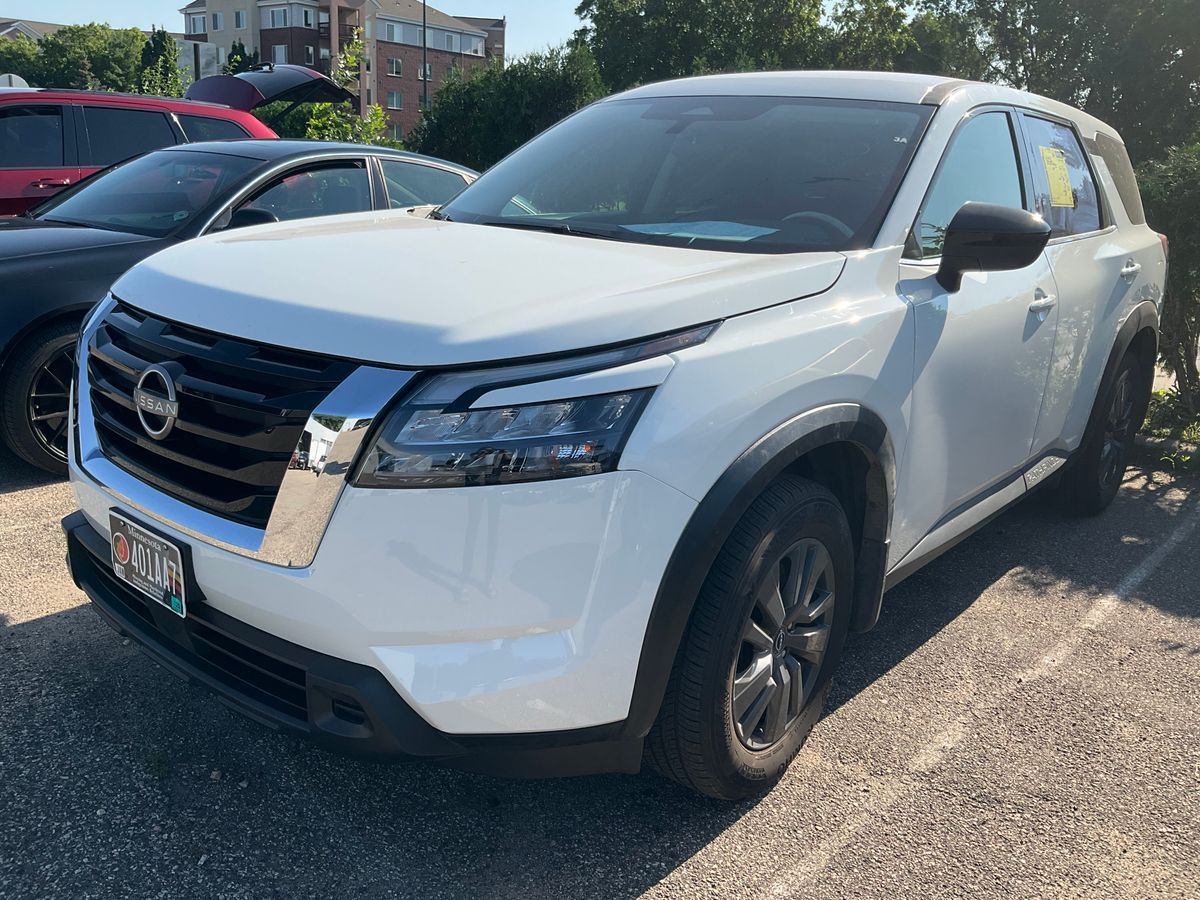
One of the most common yet least noticeable developments is a gradual shift in combustion efficiency. Unlike a sudden mechanical failure, these changes occur slowly over time, often without triggering warning lights or creating obvious drivability problems.
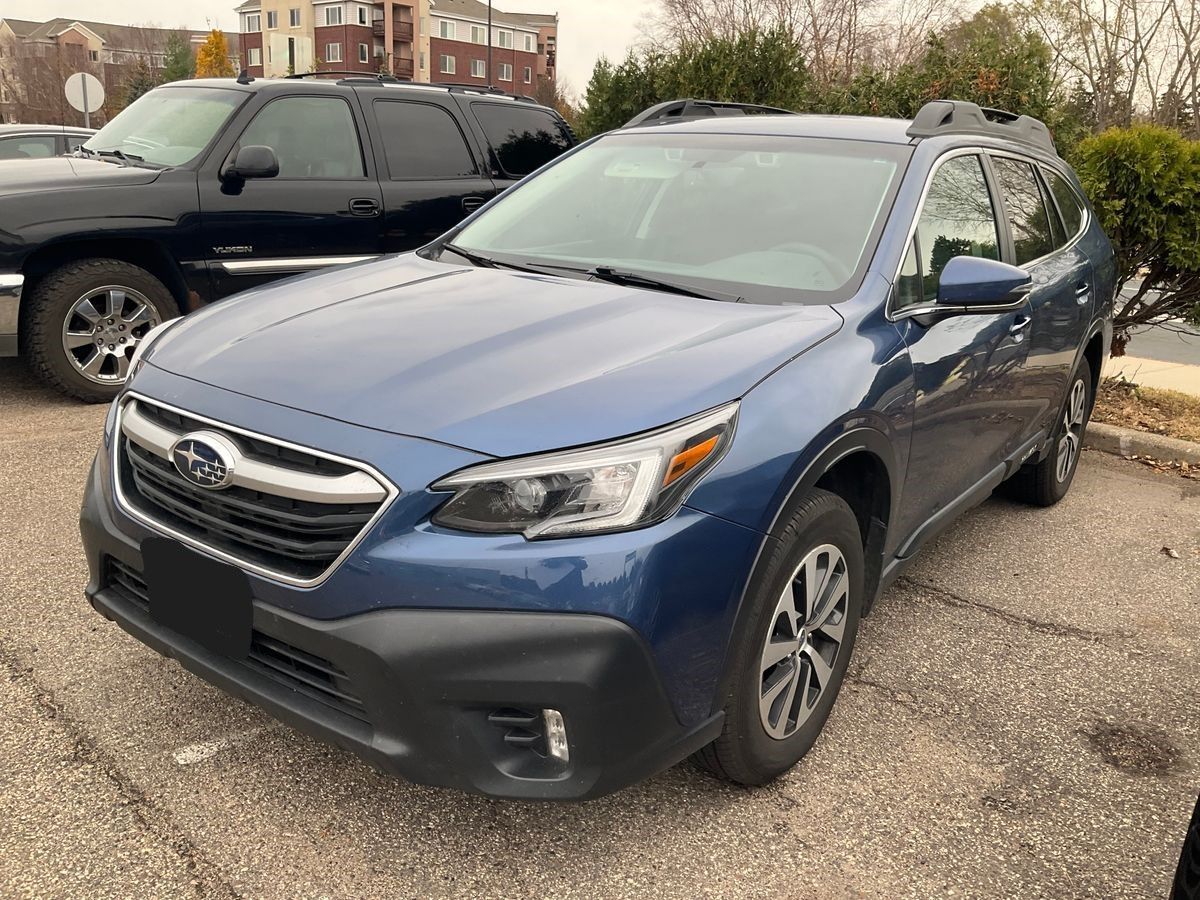
The challenge is not that these vehicles are unreliable, but that their systems are designed to adapt and compensate, which can hide early warning signs. This is why Subaru performance diagnostics often require deeper inspection methods than standard checks.

At Autopia Bloomington, we often see this pattern in Bloomington auto repair cases involving Kia models. These changes are usually gradual, not sudden, and they develop as multiple small systems begin to shift with age and use.
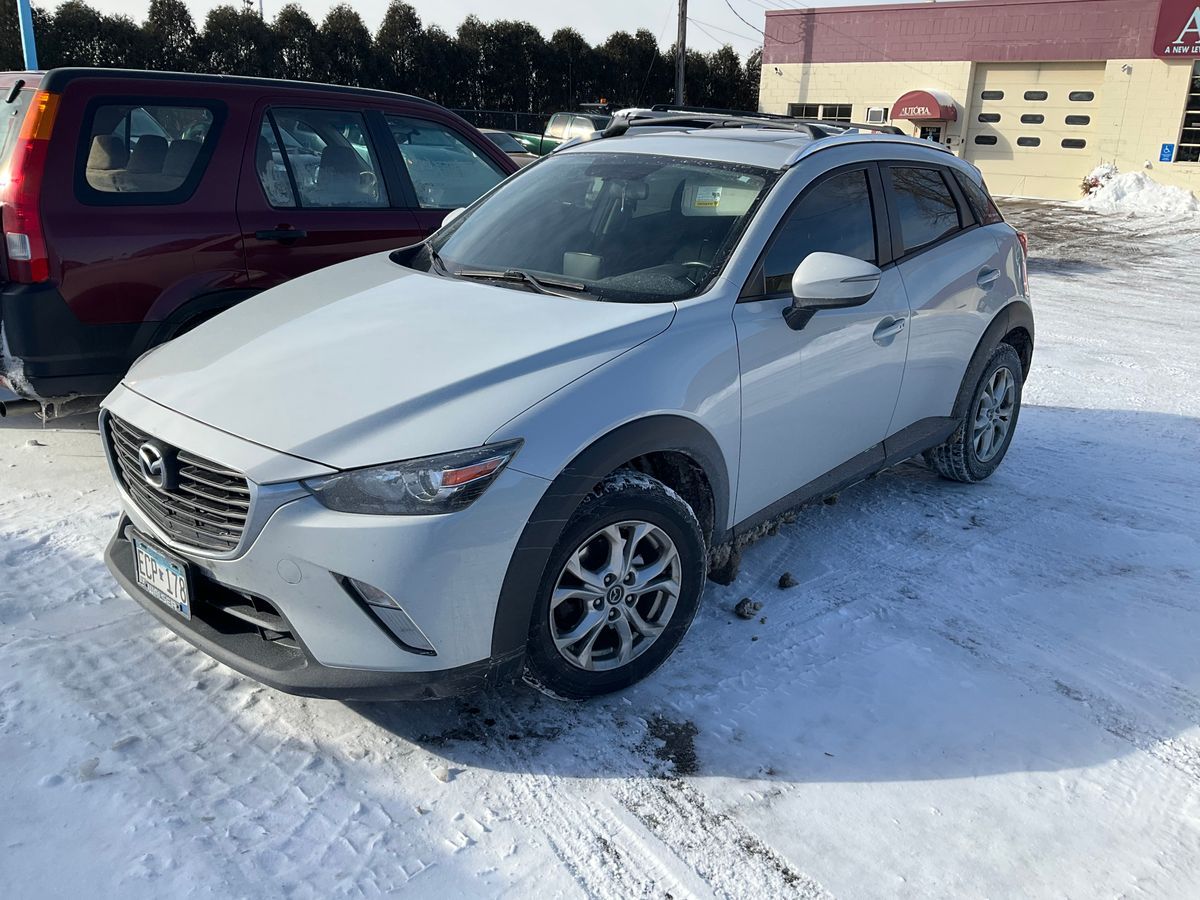
Smooth acceleration depends on how efficiently the engine responds to driver input. In Mazda vehicles, this response can slowly change as small internal shifts develop over time.
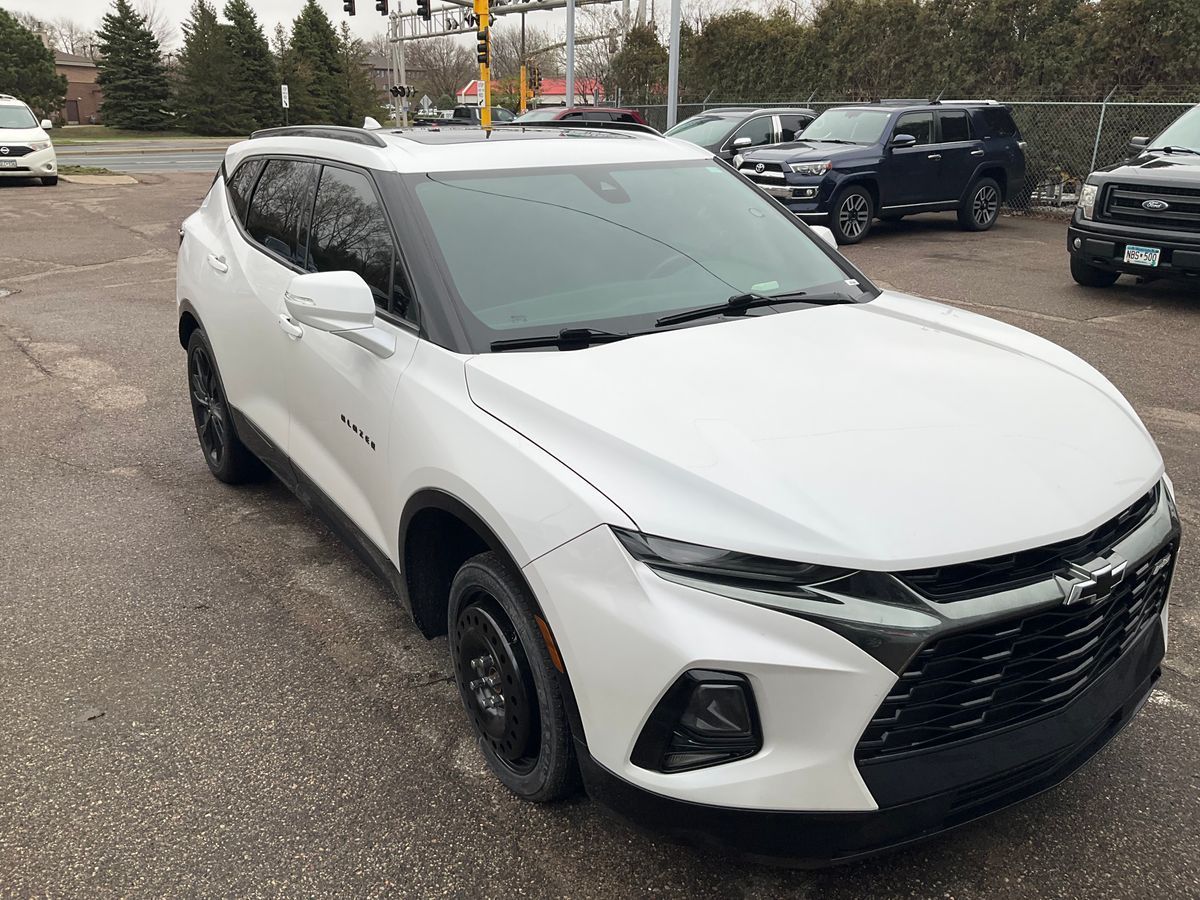
Оver time, many Chevrolet vehicles begin developing gradual fuel delivery imbalances that affect performance in subtle ways before becoming more noticeable.

Even reliable vehicles gradually develop engine and transmission stress over time. These changes often happen slowly and quietly, making them easy to overlook in the early stages.

Chevrolet vehicles are built to handle a wide range of driving environments, from smooth highways to rough city roads. Over time, however, even well-built vehicles begin to show the effects of long-term road condition stress.
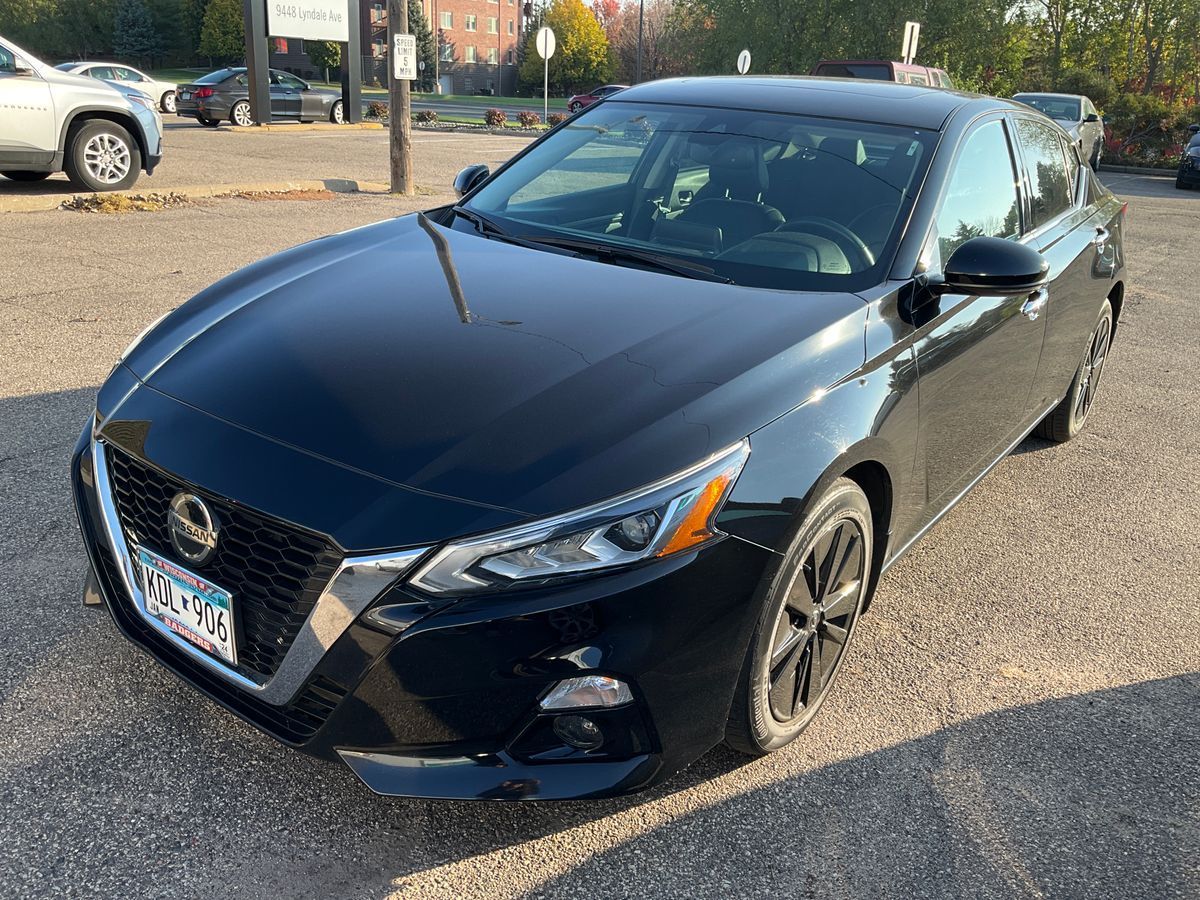
While Nissan models are generally reliable, intermittent performance issues are usually not caused by a single failure. Instead, they develop from small inconsistencies across multiple systems that only appear under certain conditions.

While these vehicles are built to last, every car still experiences gradual performance shifts over time—even with regular use and proper maintenance.
Progressive changes in vehicle operation are normal—but they are not random. They are the result of long-term wear, habits, and environmental stress working together.