

How to Maintain Your Toyota for Long-Term Reliability

nicklawson311 • November 7, 2024

Toyota's Long-Term Reliability

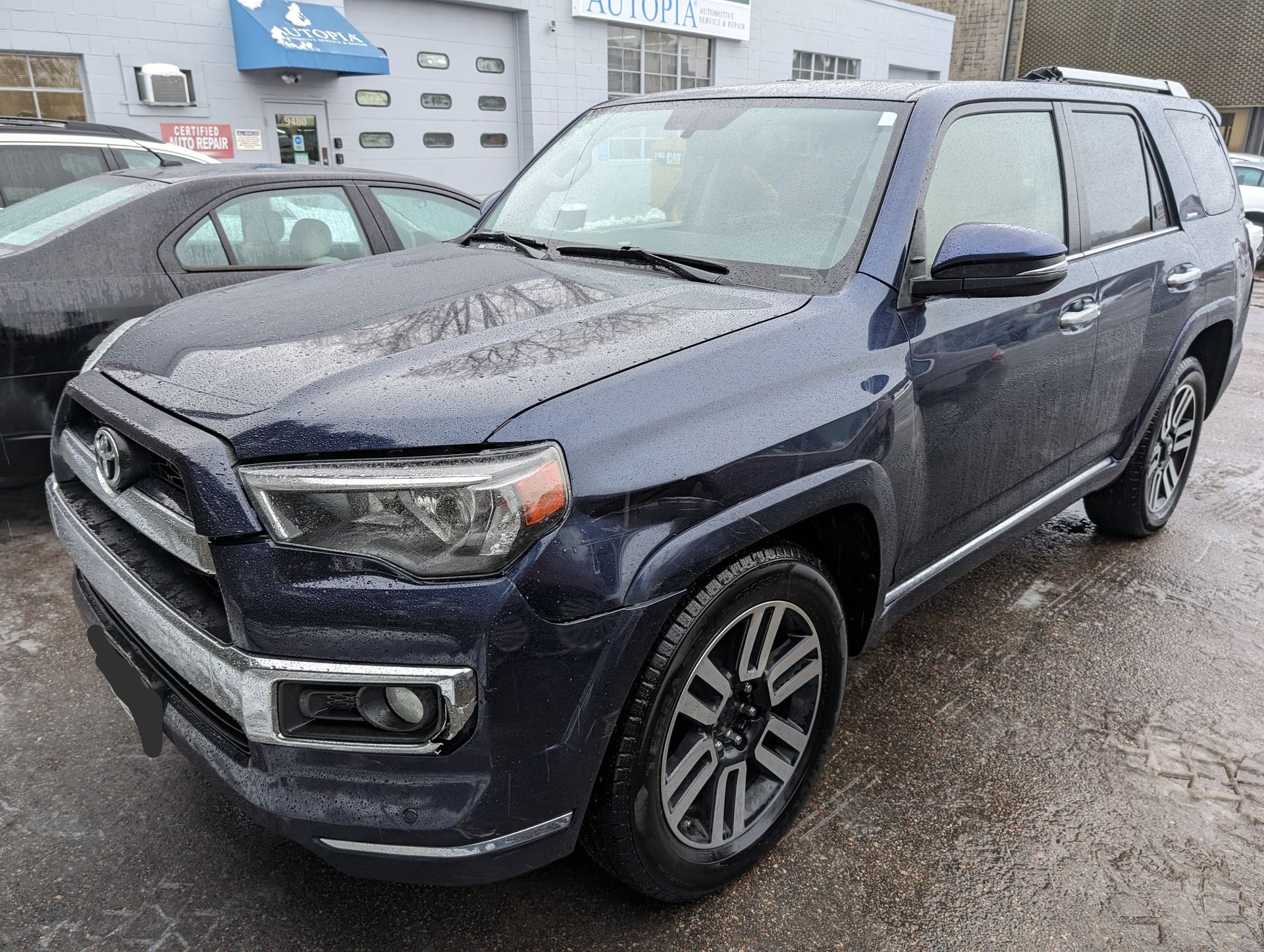
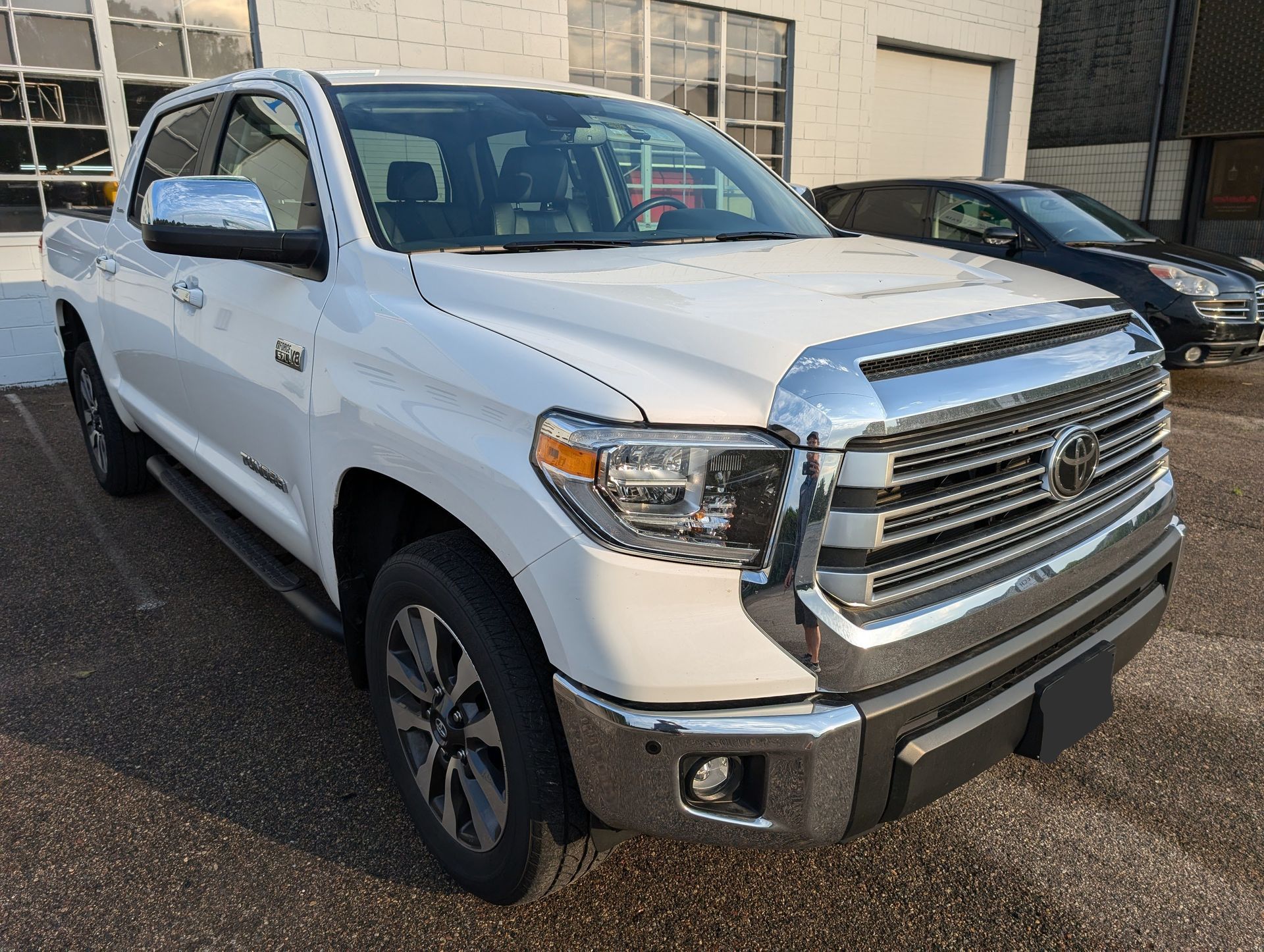
When you invest in a Toyota, you expect it to last for years without major reliability issues. Maintaining this Toyota Reliability requires regular servicing and attention to detail. At Autopia Bloomington, we understand that a well-cared-for Toyota performs better, lasts longer, and even increases in resale value.

Why is Regular Servicing of a Toyota Important?

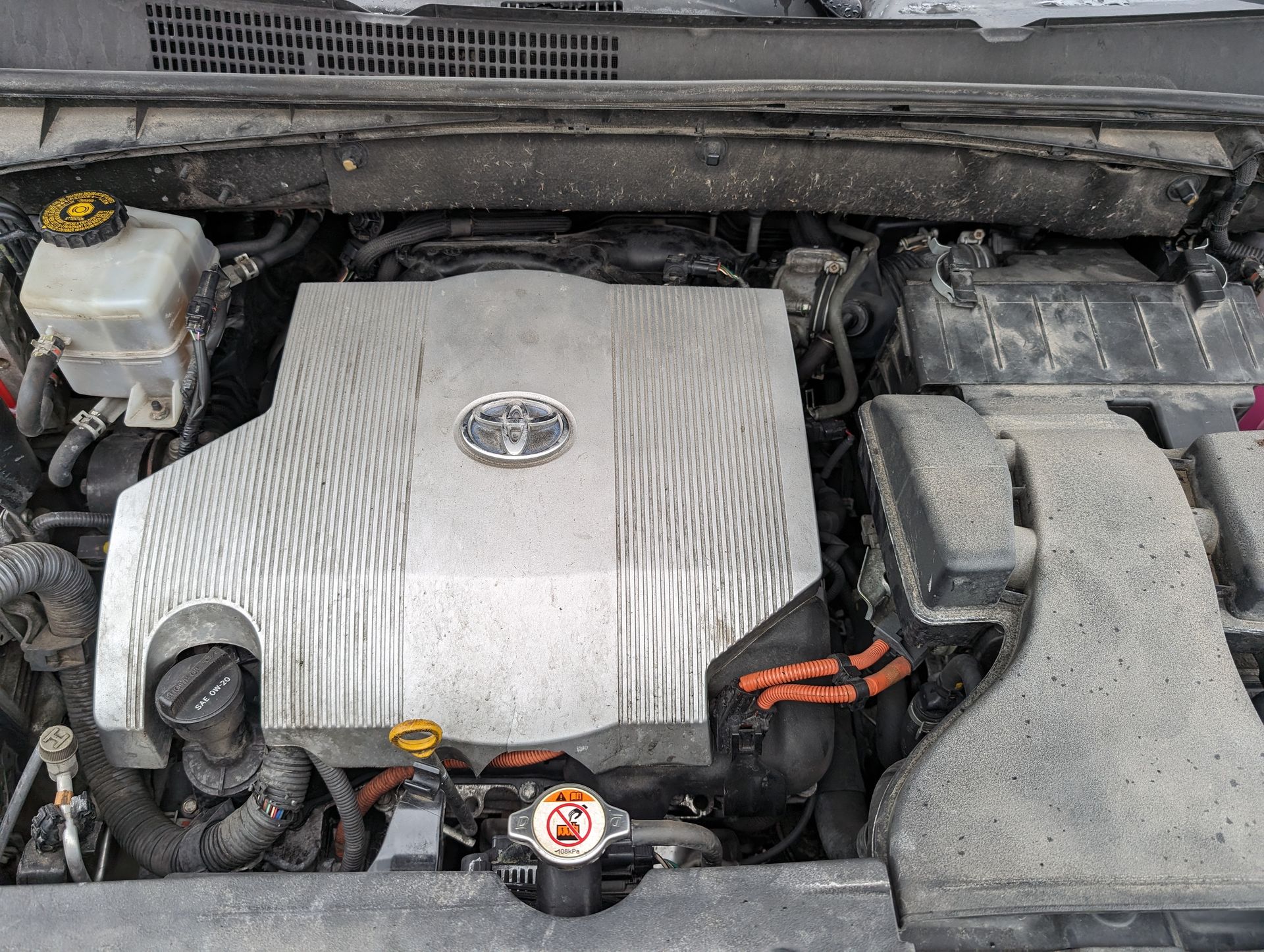
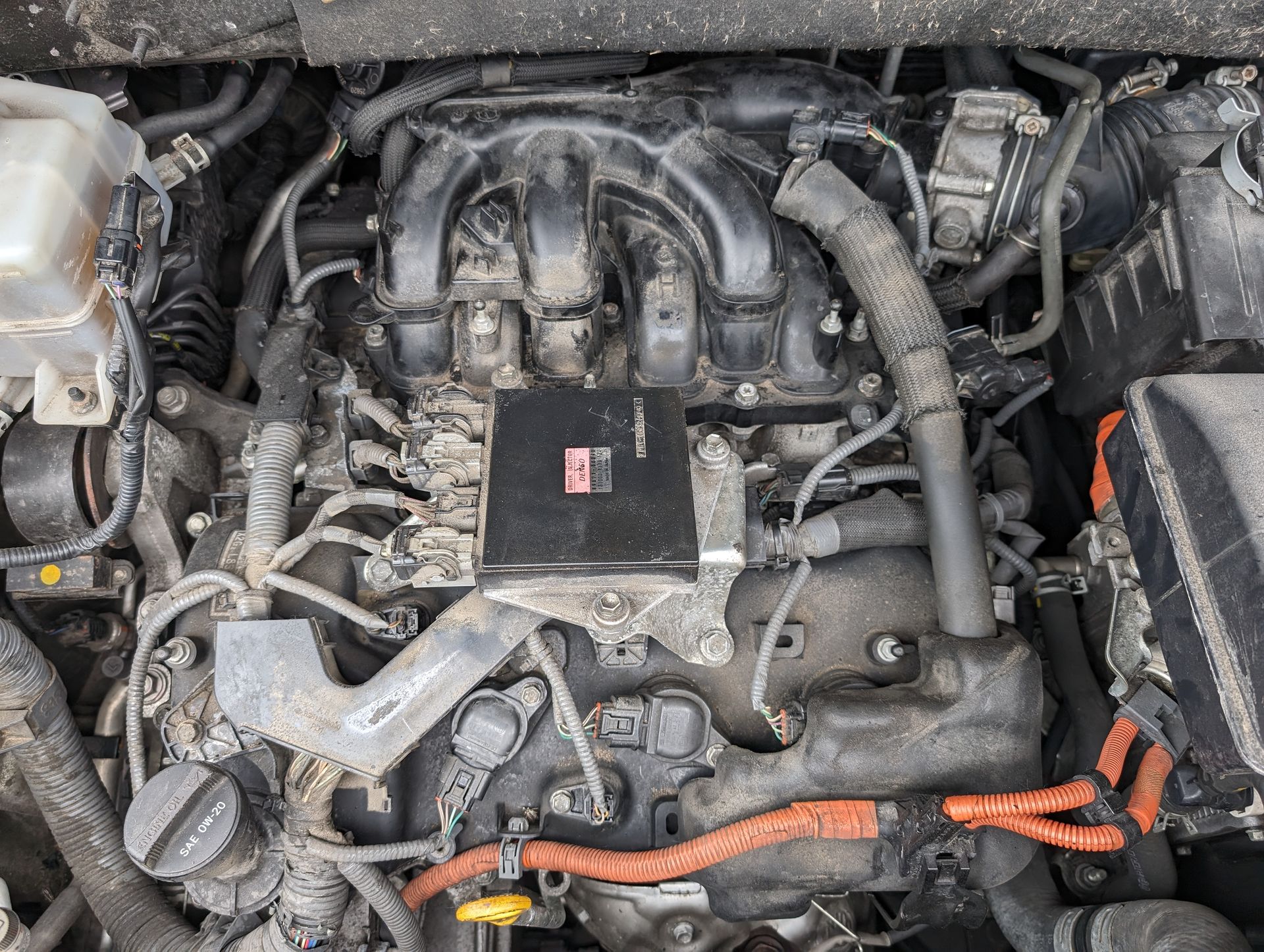
Routine maintenance such as Oil Changes, Tire Rotations, and Brake Inspections ensures your Toyota stays in peak condition. Addressing these basics helps prevent expensive repairs down the road and keeps your Toyota Engine Running Smoothly.

Improve Toyota Fuel Efficiency

Regular tune-ups significantly enhance your Toyota’s Fuel Efficiency. Keeping your engine in top shape not only saves on fuel costs but also lowers emissions, benefiting both you and the environment.

Extend Your Toyota's Lifespan

Maintenance acts like Anti-Aging for Your Toyota. By addressing minor issues early, you prevent larger problems later on. Regular upkeep ensures your Toyota stays reliable and in great shape for years to come.

Prevent Breakdowns with Regular Maintenance

Routine Toyota Maintenance reduces the risk of unexpected breakdowns. Fixing worn-out belts or faulty sensors early helps avoid inconvenient and costly repairs.
Why Choose Autopia Bloomington for Toyota Maintenance?

At Autopia Bloomington, we use Toyota Genuine Parts and advanced diagnostic tools to give your vehicle the best care. Our transparent pricing ensures no hidden fees, and we prioritize customer satisfaction, helping you keep your Toyota reliable for the long haul.

By nicklawson311 April 3, 2026
Blog #214: Top Signs Your Car’s Electrical System Needs Immediate Attention
By nicklawson311 April 3, 2026
Blog #213: The Critical Warning Signs of Suspension Damage You Shouldn’t Ignore
By nicklawson311 April 3, 2026
Blog #212: The Unexpected Problems That Reduce Your Car’s Lifespan
Dodge Charger Electrical Glitches That Signal Bigger Problems Beneath the Surface
By nicklawson311 March 27, 2026
The reality is that these small glitches are often early warnings of deeper system imbalances. What looks like a minor inconvenience can be the first sign of a larger issue developing behind the scenes.
How Tire Misalignment Quietly Reduces Chevrolet Traverse Performance Over Time - Autopia Auto Repair
By nicklawson311 March 27, 2026
Performance doesn’t always decline in obvious ways. Sometimes, it fades gradually. Tire misalignment is one of the most overlooked causes of this slow change.
Ford Fusion Overheating Clues Most Drivers Miss Until It’s Too Late - Autopia Auto Repair
By nicklawson311 March 27, 2026
The reality is that overheating is usually the result of gradual system imbalance, not a single failure. And the earlier you recognize the clues, the easier it is to prevent serious engine damage.
The Most Overlooked Car Problems That Lead to Unexpected Expenses - Autopia Auto Repair
By nicklawson311 March 20, 2026
At Autopia Bloomington, we often meet drivers who are caught off guard by repair costs, not because the problem appeared suddenly, but because it was gradually building in the background.
The Top Fluid-Related Issues That Cause Engine Failures in Bloomington - Autopia Auto Repair
By nicklawson311 March 20, 2026
Understanding how fluids affect your vehicle can mean the difference between smooth operation and catastrophic failure.
Why Professional Brake Inspections Prevent Serious Accidents - Autopia Auto Repair
By nicklawson311 March 20, 2026
At Autopia Bloomington, we see too many cars brought in only after small brake issues escalated into serious safety risks. The truth is, professional brake inspections aren’t optional - they’re lifesaving.
The Hidden Risks of Driving With Low Transmission Fluid - Autopia Auto Repair - Bloomington
By nicklawson311 March 13, 2026
At Autopia Bloomington, our professional vehicle inspections include a thorough transmission check. We test fluid levels, inspect for leaks, examine filter condition, and evaluate the health of the transmission’s internal components.