

How to Prevent Rust on Your Vehicle: Essential Tips for Long-Lasting Protection
nicklawson311 • February 13, 2025

How to Prevent Rust on Your Vehicle: Essential Tips for Long-Lasting Protection
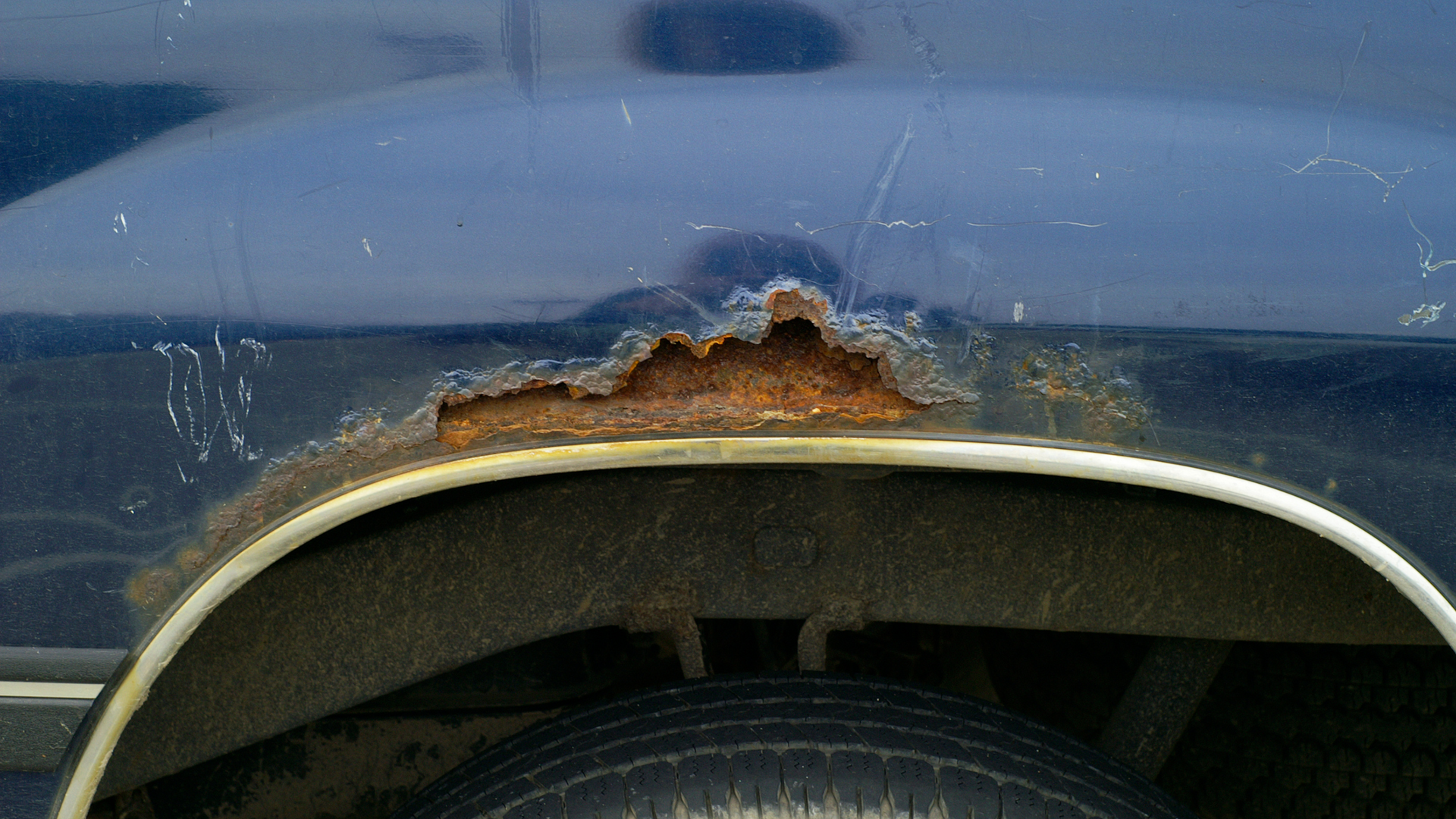
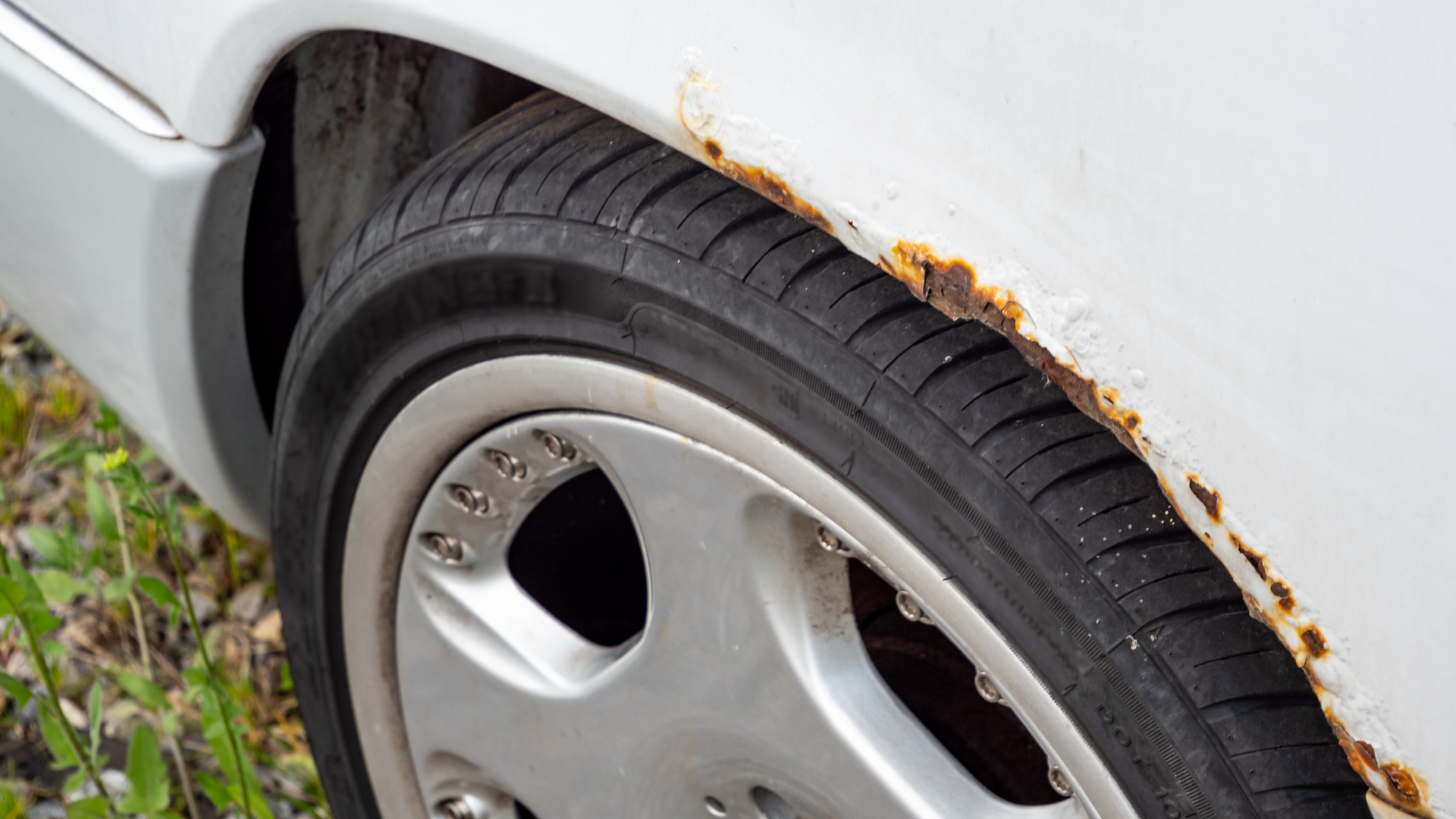
Rust is more than just a cosmetic issue—it can compromise the structural integrity of your vehicle, leading to costly repairs and potential safety hazards. Over time, exposure to moisture, salt, and environmental factors can cause metal components to corrode, weakening your car’s body and essential parts. At Autopia Bloomington, we’re committed to helping you protect your investment with these simple yet effective rust prevention tips. By following these steps, you can keep your car looking great and performing reliably for years to come.

1. Wash Your Car Regularly

Regular washing removes dirt, salt, and contaminants that cause rust. Pay special attention to the undercarriage and wheel wells.

Tip: Wash every two weeks in winter and once a month in summer.

2. Apply Rust Protection

Rust-proofing treatments create a barrier against moisture. Waxing your car helps seal the paint and prevent rust.

Pro Tip: Apply rust inhibitors to exposed metal areas like door edges and the trunk.

3. Inspect Your Vehicle for Damage

Small paint chips can lead to rust. Regularly check your car and touch up any damaged spots immediately.

Tip: Focus on wheel wells, door frames, and undercarriage areas.

4. Keep Your Vehicle Dry

Moisture is a rust catalyst. Dry your car after washing or rain, especially in crevices where water can accumulate.

Pro Tip: Use microfiber towels for efficient drying.

5. Schedule Professional Inspections

Professional inspections can catch rust early. Don’t wait until corrosion spreads—book an appointment today.

Take Action: Rust prevention starts with proper maintenance. Schedule a rust inspection or check your transmission fluid today at Autopia Bloomington to keep your car running smoothly!
Schedule an Appointment
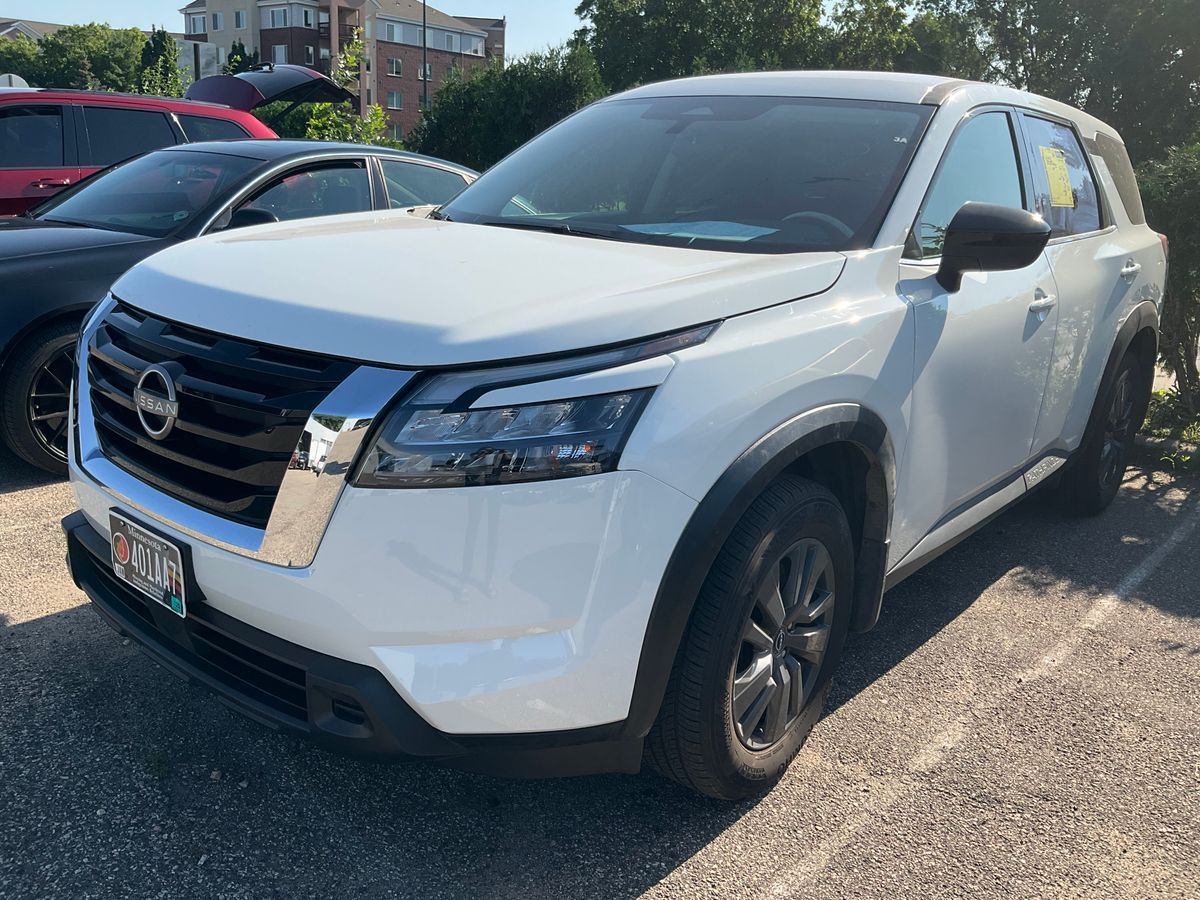
How Nissan Engines Show Gradual Combustion Efficiency Changes - Autopia Auto Repair
By nicklawson311 June 5, 2026
One of the most common yet least noticeable developments is a gradual shift in combustion efficiency. Unlike a sudden mechanical failure, these changes occur slowly over time, often without triggering warning lights or creating obvious drivability problems.
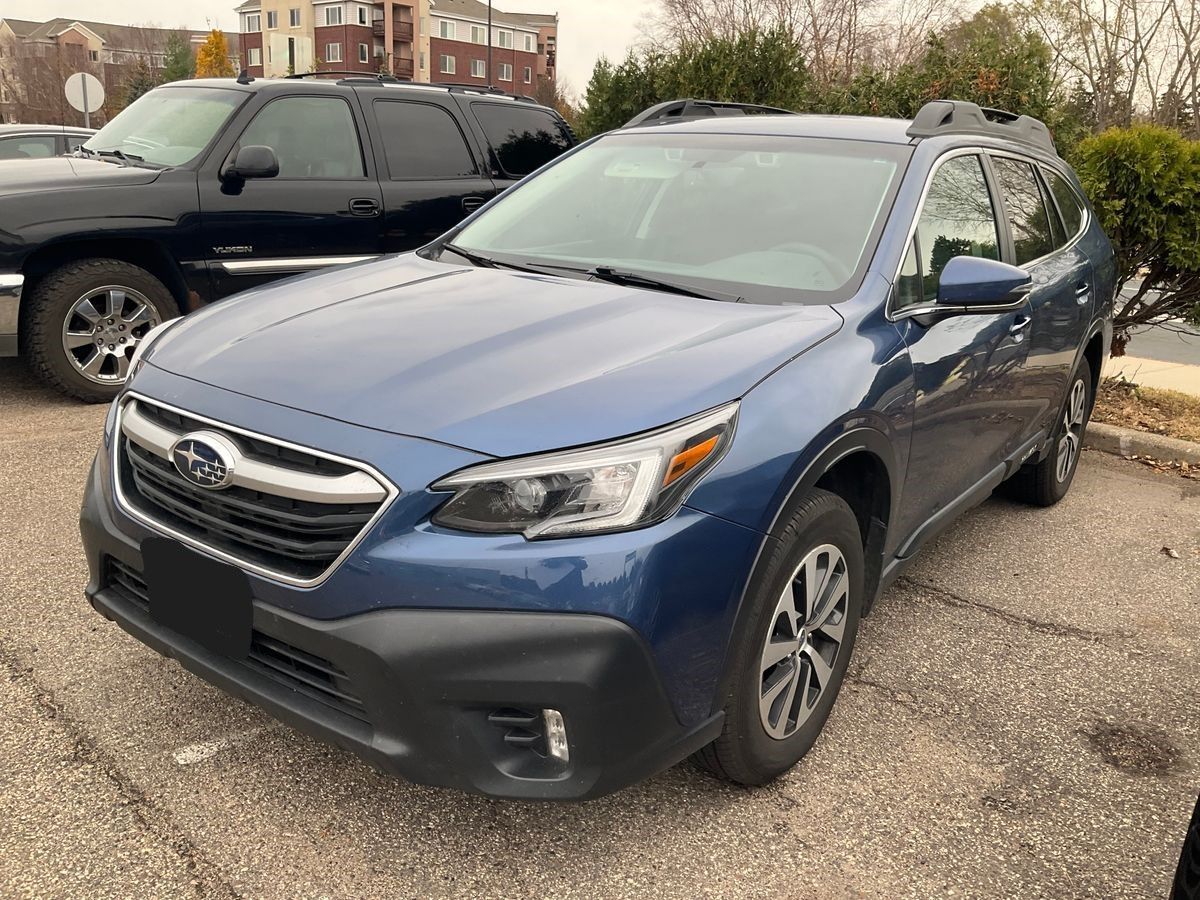
Why Subaru Vehicles Require Deeper Diagnostics for Subtle Performance Issues - Autopia Auto Repair
By nicklawson311 June 5, 2026
The challenge is not that these vehicles are unreliable, but that their systems are designed to adapt and compensate, which can hide early warning signs. This is why Subaru performance diagnostics often require deeper inspection methods than standard checks.
Why Kia Cars Show Subtle Changes in Power Delivery Over Time - Autopia Auto Repair
By nicklawson311 June 4, 2026
At Autopia Bloomington, we often see this pattern in Bloomington auto repair cases involving Kia models. These changes are usually gradual, not sudden, and they develop as multiple small systems begin to shift with age and use.
Why Mazda Cars Can Lose Smooth Acceleration Without Warning Signs - Autopia Auto Repair
By nicklawson311 May 29, 2026
Smooth acceleration depends on how efficiently the engine responds to driver input. In Mazda vehicles, this response can slowly change as small internal shifts develop over time.
Why Chevrolet Vehicles Experience Gradual Fuel Delivery Imbalances - Autopia Auto Repair
By nicklawson311 May 28, 2026
Оver time, many Chevrolet vehicles begin developing gradual fuel delivery imbalances that affect performance in subtle ways before becoming more noticeable.
How Honda Vehicles Develop Long-Term Engine and Transmission Stress - Autopia Auto Repair
By nicklawson311 May 28, 2026
Even reliable vehicles gradually develop engine and transmission stress over time. These changes often happen slowly and quietly, making them easy to overlook in the early stages.
How Chevrolet Vehicles Respond to Long-Term Road Condition Stress - Autopia Auto Repair
By nicklawson311 May 22, 2026
Chevrolet vehicles are built to handle a wide range of driving environments, from smooth highways to rough city roads. Over time, however, even well-built vehicles begin to show the effects of long-term road condition stress.
What Causes Nissan Vehicles to Develop Intermittent Performance Changes - Autopia Auto Repair
By nicklawson311 May 22, 2026
While Nissan models are generally reliable, intermittent performance issues are usually not caused by a single failure. Instead, they develop from small inconsistencies across multiple systems that only appear under certain conditions.
Why Toyota Vehicles Develop Performance Changes Even With Regular Use - Autopia Auto Repair
By nicklawson311 May 22, 2026
While these vehicles are built to last, every car still experiences gradual performance shifts over time—even with regular use and proper maintenance.
What Leads to Progressive Changes in Vehicle Operation Over Years - Autopia Auto Repair
By nicklawson311 May 15, 2026
Progressive changes in vehicle operation are normal—but they are not random. They are the result of long-term wear, habits, and environmental stress working together.