

Mercedes Owners: The Overlooked Wear That Can Lead to Expensive Repairs
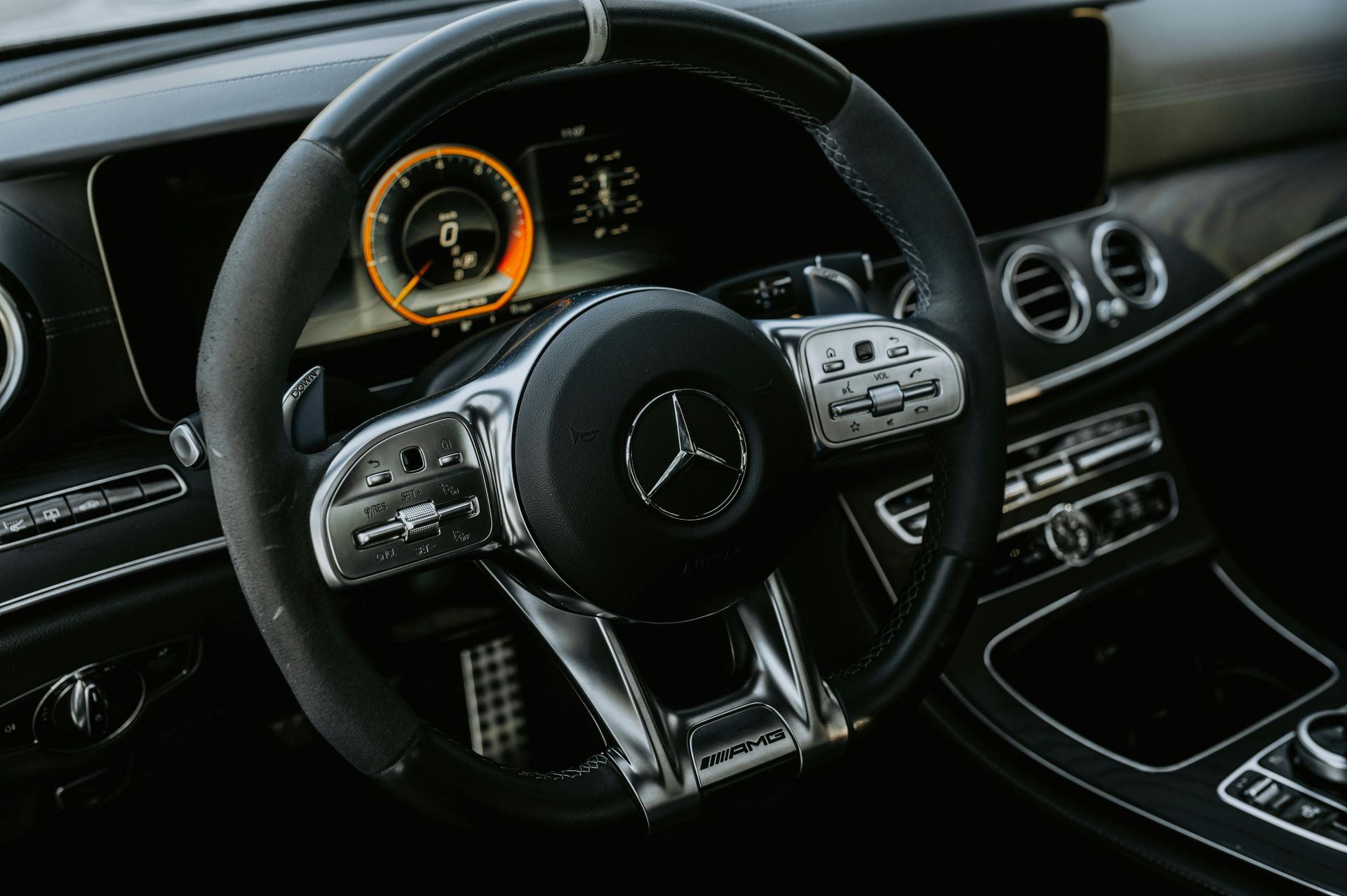
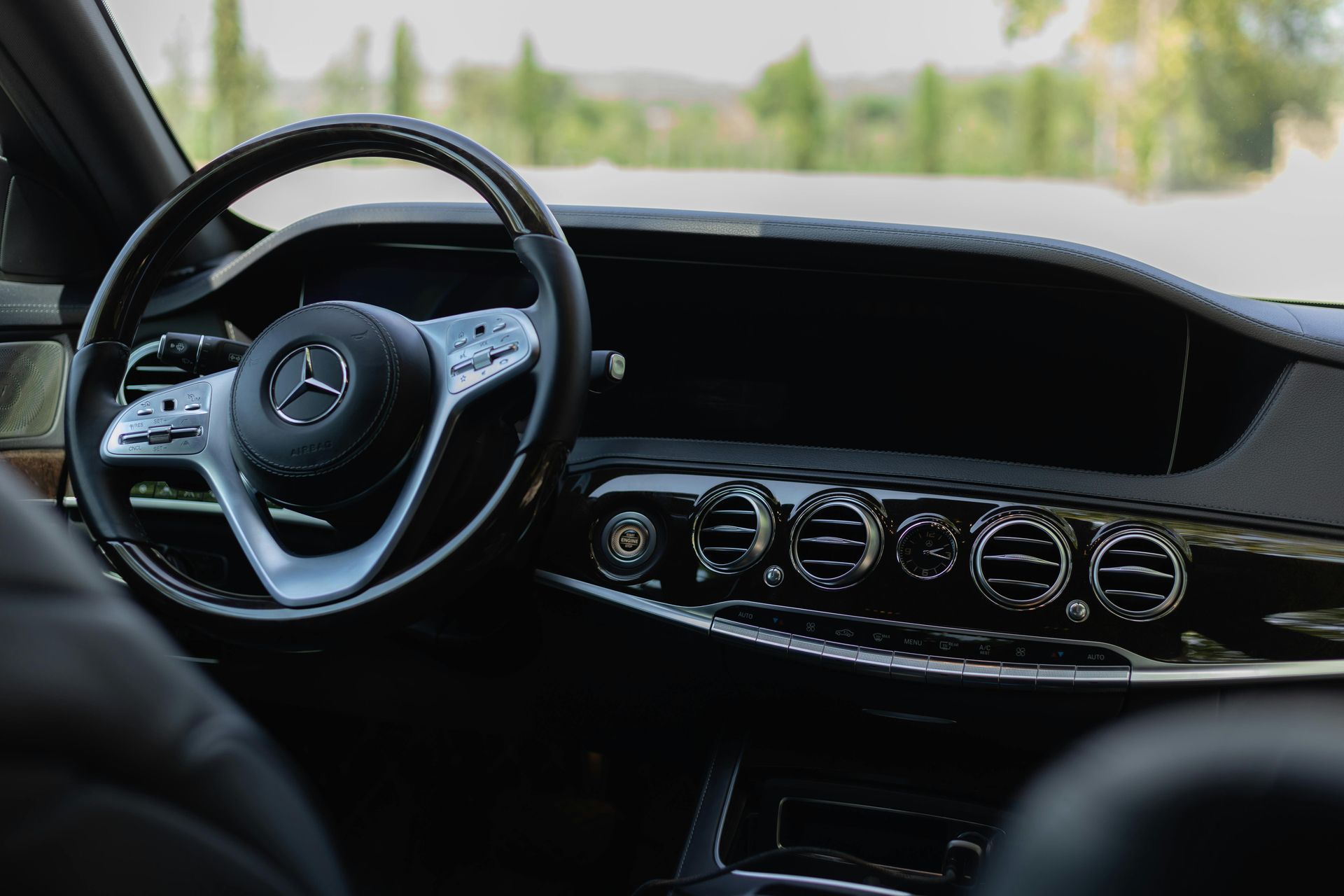
Owning a Mercedes-Benz means driving one of the world’s most refined and luxurious vehicles. But even the most well-engineered cars require proactive maintenance to stay at their best. One of the most costly mistakes Mercedes owners make? Overlooking small but critical wear components that can lead to major repairs. Whether you drive a sleek C-Class or a powerful GLE, this guide reveals the key wear areas you should watch out for—plus how to avoid high repair bills down the road.
1. Engine Mount Deterioration
Mercedes engine mounts don’t last forever. Designed to absorb engine vibration and secure the powertrain, they quietly do their job—until they don’t. When engine mounts wear out, you might notice:
- Excessive vibrations in the cabin
- Clunking or thudding noises when accelerating
- Misalignment that puts strain on other engine components
Left untreated, failing engine mounts can damage your exhaust system and drivetrain. Replacing them early is far cheaper than repairing the damage they cause.
2. Suspension Wear
One of the things Mercedes is known for is a smooth, luxurious ride. But that comfort depends on a complex suspension system. Common wear points include:
- Control arm bushings
- Ball joints
- Shock absorbers and struts
- Worn suspension parts can lead to uneven tire wear, poor handling, and an unstable driving experience—especially on Minnesota’s bumpy roads.
Regular suspension checks keep your ride smooth and your tires lasting longer.
3. Transmission Fluid Neglect
Some Mercedes-Benz transmissions are marketed as “sealed for life,” but even then, fluid degrades over time. Old or contaminated transmission fluid can cause:
- Delayed gear changes
- Harsh or jerky shifting
- Long-term wear on transmission components
Regular fluid flushes—according to your model’s maintenance schedule—can prevent the need for expensive transmission repairs or replacements.
4. Brake System Oversights
Brakes are obviously essential, but many drivers wait too long before inspecting or replacing worn components. This can result in:
- Warped rotors from worn brake pads
- Reduced stopping power
- Dangerous driving conditions
Mercedes braking systems often use higher-end materials that wear differently than economy cars. Routine inspections and OEM-grade replacements are crucial to keeping your vehicle safe.
5. Cooling System Failures
The cooling system is your first line of defense against engine overheating. Key components to watch include:
- Radiator and hoses
- Thermostat
- Water pump
Coolant leaks or worn parts can cause overheating, head gasket failure, and engine damage—all of which are far more expensive than a simple hose or pump replacement.
Why This Matters: The True Cost of Neglect
Ignoring small maintenance tasks can have a snowball effect on your car’s health. What starts as a $100 repair can quickly become a $3,000 replacement—or more. Proactive maintenance keeps your Mercedes reliable, safe, and valuable.
Frequently Asked Questions
How often should I have my Mercedes-Benz inspected?
A general rule is every 10,000 miles or annually. However, older models or performance trims may need more frequent checks.
Can I inspect these wear components myself?
Some parts, like tires or fluid levels, are easy to check. But engine mounts, suspension, and transmission fluids should be inspected by professionals with the right equipment.
Is this kind of maintenance covered under warranty?
Wear-and-tear items typically aren't covered, but some repairs may be if your vehicle is under a Mercedes extended or certified pre-owned warranty.
What happens if I ignore engine mount problems?
You risk damage to the drivetrain, increased vibration, and strain on other engine parts, all leading to higher repair costs.
Where can I go for trusted Mercedes maintenance?
At Autopia Bloomington, we specialize in luxury European vehicles, offering tailored service and expert care without dealership pricing.
Your Mercedes Deserves Expert Attention
Don’t let hidden wear ruin your driving experience—or your wallet. At Autopia Bloomington, we help Mercedes-Benz owners prevent problems before they start. From precision diagnostics to genuine parts, we’re your trusted local maintenance partner.
Schedule your Mercedes-Benz service today and drive with confidence—every mile, every season.