

Tesla Owners: The Charging Habits That Secretly Damage Your Battery
Tesla Owners: The Charging Habits That Secretly Damage Your Battery
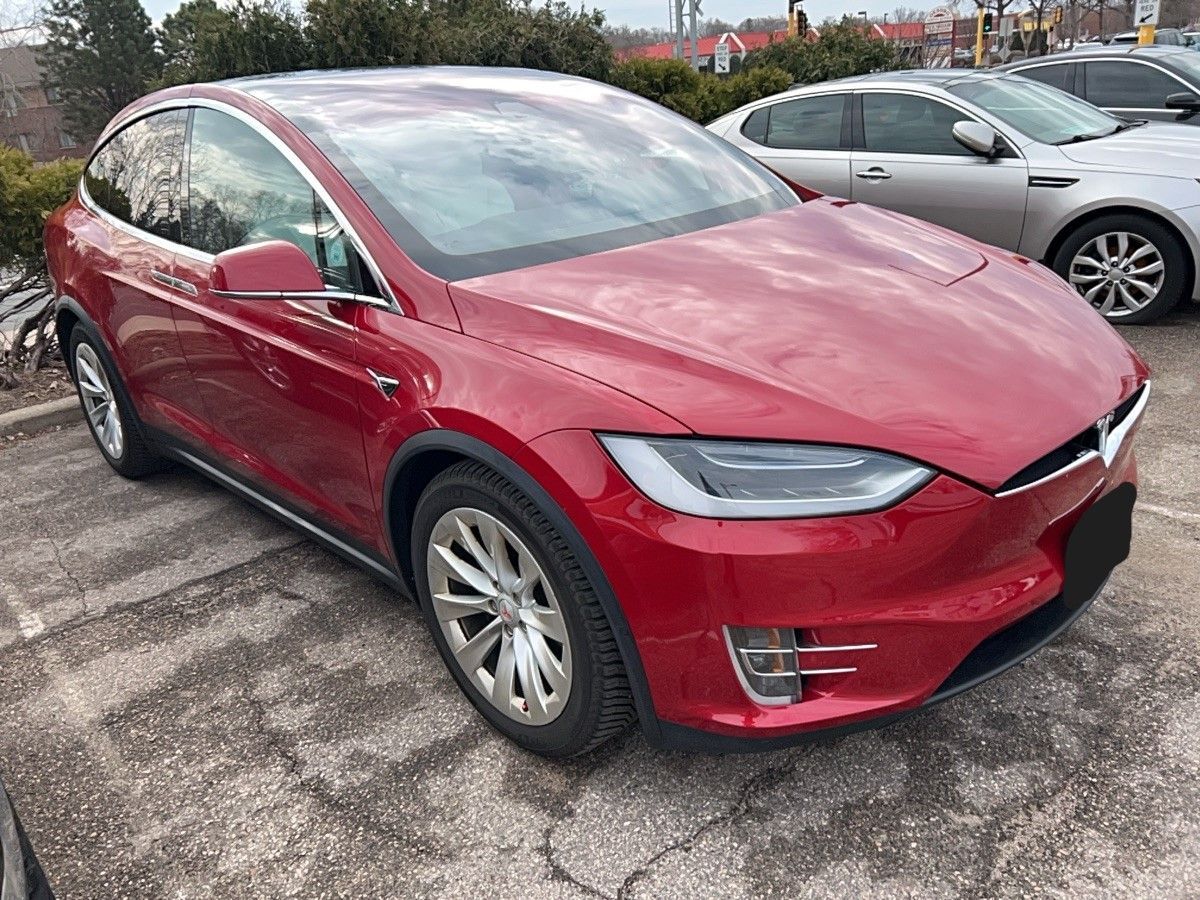

At Autopia Bloomington, we’re not just experts in high-performance European and luxury vehicles—we’re also one of the few shops in Minnesota with deep knowledge of Tesla maintenance and EV battery care. If you drive a Tesla, you know the joy of instant torque, cutting-edge tech, and never stopping for gas.
But here's the truth most Tesla owners don’t hear from forums or sales reps: your charging habits can make or break your battery’s long-term health.
EV batteries aren’t like traditional gas engines—they require a completely different kind of attention. Keep reading to learn the charging mistakes that could shorten your Tesla’s battery life and what you can do to protect your EV investment.
Understanding Tesla Battery Health: Why It Matters
Your Tesla’s lithium-ion battery pack is engineered to last 300,000 to 500,000 miles—but only under the right conditions. Unlike smartphones or laptops, a Tesla battery is a complex thermal and software-controlled system, and even subtle charging missteps can accelerate degradation.
Tesla batteries degrade slowly, but when you notice a loss in range or charging efficiency, it’s usually too late to reverse. That’s why early care and smart charging are essential.
5 Charging Habits That Secretly Hurt Your Tesla Battery
1. Charging to 100% Daily (When It’s Not Needed)
Unless you're prepping for a road trip, consistently charging to 100% stresses the upper voltage range of your battery. Tesla recommends daily charging to around
80–90% for optimal battery longevity.
2. Letting Your Battery Drop Below 10% Frequently
Regularly deep discharging your Tesla can strain the battery's chemistry. Try to keep the charge level above 20% when possible.
3. Relying on Superchargers All the Time
Supercharging is convenient but generates heat and adds wear. While it’s fine occasionally,
home charging with a Level 2 charger is gentler on your battery.
4. Charging in Extreme Temperatures
If your Tesla is exposed to Minnesota’s freezing winters or a hot summer sun, charging can become inefficient or harmful. Always
precondition your battery and avoid charging in extreme temps whenever possible.
5. Leaving It Plugged in at 100% for Too Long
Even if you’re not driving, staying at a full charge while plugged in (especially overnight) can cause gradual degradation. Set your charge limit and use scheduled charging features to manage it better.
Why Tesla Owners in Bloomington Choose Autopia
When it comes to Tesla care, not every shop has the tools or experience. At Autopia Bloomington, we’ve invested in the latest EV diagnostic equipment, trained our technicians in Tesla-specific systems, and offer affordable, local service for Tesla owners who want dealership-level quality without the dealership price or wait times.
Here’s what sets us apart:
✅
EV Battery & Software Diagnostics
We can detect early signs of degradation and help optimize your charging setup.
✅
Tire & Brake Service for Regenerative Systems
Tesla's regenerative braking system requires specific service protocols—we handle them all.
✅
Suspension and Alignment Service for Heavier EVs
EVs weigh more than gas cars. We keep your suspension, tires, and ride comfort in perfect condition.
✅
Charging Port and Cable Maintenance
We inspect for wear, corrosion, or software glitches that could affect your charge reliability.
What Happens If You Ignore Battery Best Practices?
Ignoring your Tesla’s battery health can result in:
- Reduced driving range over time
- Slow or inconsistent charging
- Expensive battery replacements (up to $15,000+)
- Slower performance
- Decreased resale value
Tesla batteries are built to last—but not immune to neglect.
FAQ: Tesla Battery Charging and Maintenance
Is it okay to charge to 100% every day if I drive a lot?
If you truly need the full range daily, it’s acceptable—but for most drivers, 80–90% is ideal. If you need 100%, use it sparingly.
Does cold weather affect my battery?
Yes. Tesla batteries lose efficiency in cold weather and can charge slower. Preconditioning your vehicle before driving or charging can help.
Can I use public chargers often?
Yes, but frequent use of DC fast chargers (like Superchargers) can degrade the battery faster than home charging. Mix it up when you can.
Is battery replacement covered by Tesla’s warranty?
Tesla offers an 8-year battery warranty for most models, but improper charging or damage may void it. Follow Tesla’s charging guidelines and service your vehicle regularly to stay covered.
How can Autopia Bloomington help with my Tesla?
We provide battery diagnostics, charging consultations, and maintenance services tailored specifically for EVs—so you can avoid costly mistakes.
Protect Your Tesla Battery with Autopia Bloomington
You made a smart choice by going electric—now make the smartest choice for long-term performance and battery life. At Autopia Bloomington, we’re committed to keeping your Tesla in peak condition with expert service, real guidance, and no guesswork.
Book your Tesla battery check-up today and let us help you get the most out of every charge.