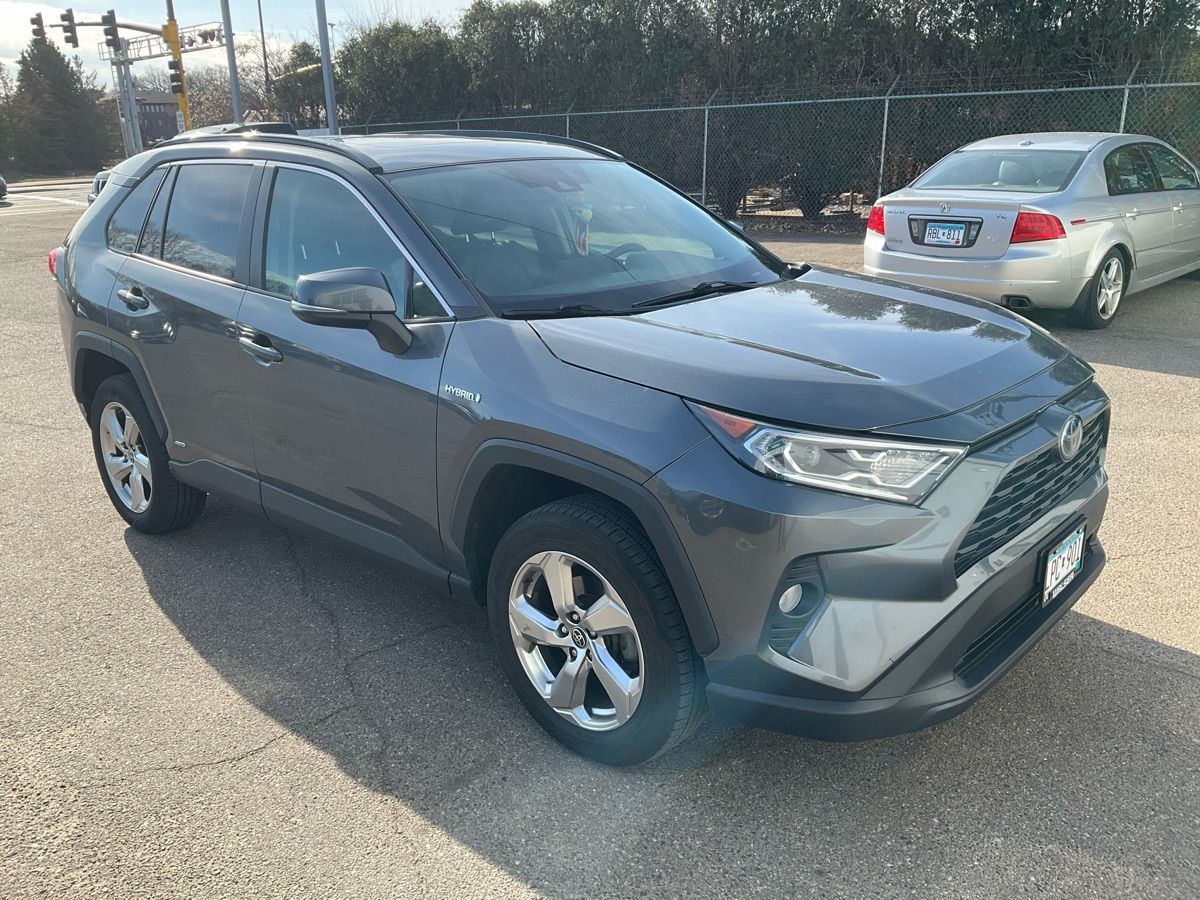


Toyota Hybrid Battery Health: What Every Owner Should Know
Toyota Hybrid Battery Health: What Every Owner Should Know
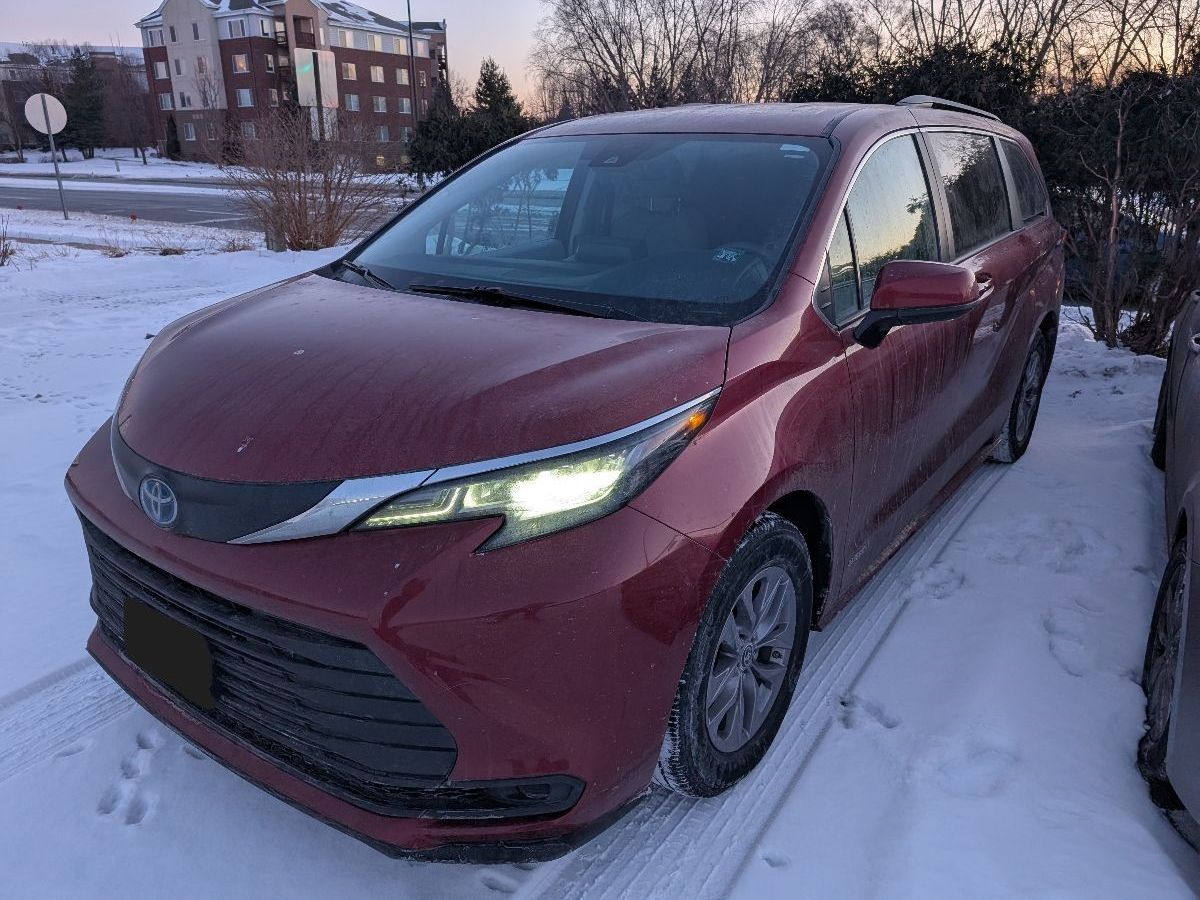
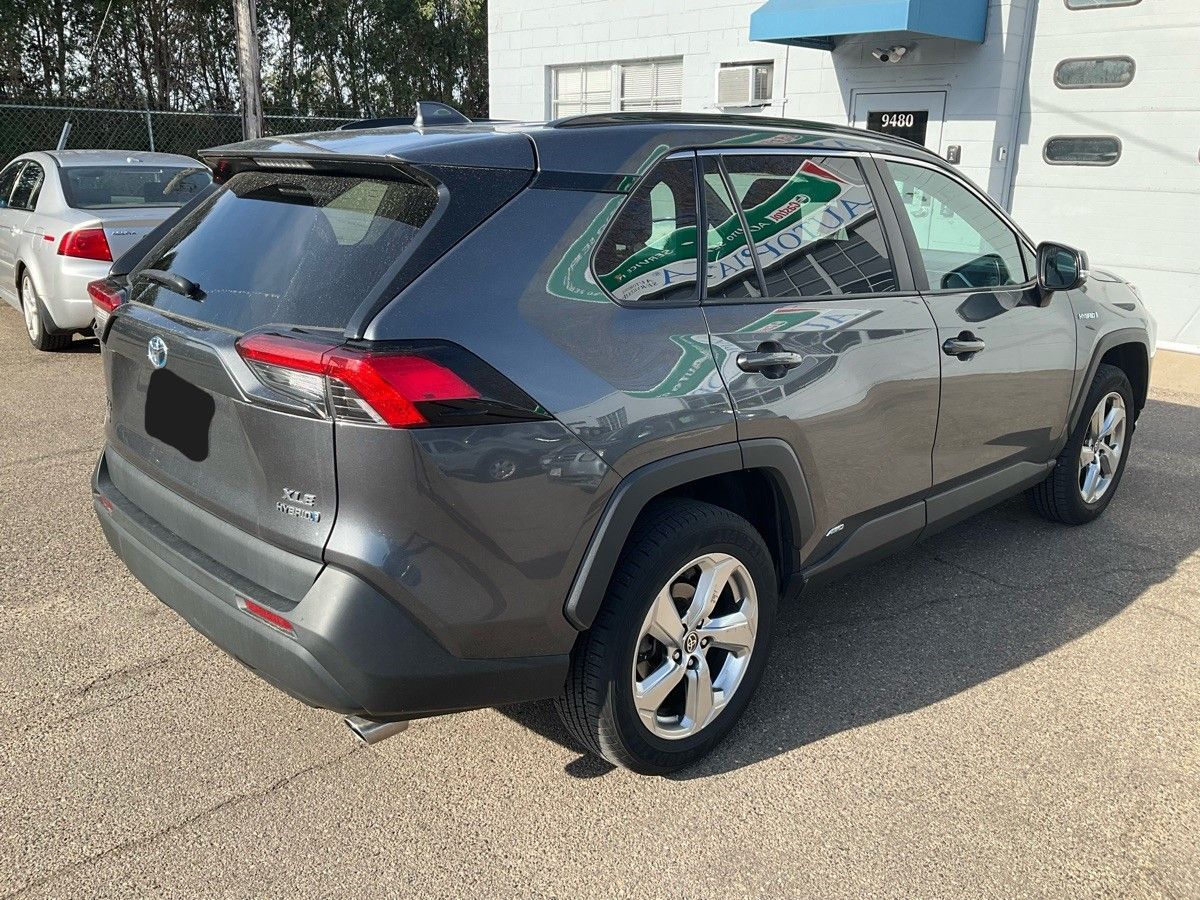
At Autopia Bloomington, we know your Toyota hybrid isn’t just another car—it’s your smart choice for a reliable, eco-friendly, and efficient drive. To keep that peace of mind and performance going strong, one of the most important things to monitor is your hybrid battery. After all, it’s the powerhouse behind your smooth rides and fuel savings.
Let’s explore why staying on top of your Toyota hybrid battery health is critical—and how our expert team in Bloomington can help you avoid major headaches down the road.
Understanding Your Toyota Hybrid Battery
Toyota hybrids are typically equipped with either Nickel-Metal Hydride (NiMH) or Lithium-Ion (Li-Ion) batteries, depending on your model and year. These high-voltage batteries are built to last—often 100,000 to 150,000 miles or more. Some drivers even report 200,000+ miles with proper care!
But driving conditions, weather, and routine maintenance all play a part in how long your battery stays healthy.
Warning Signs Your Hybrid Battery Needs Attention
Catching problems early is key to avoiding costly repairs. Watch for:
- Decreased MPG – A sudden drop in fuel efficiency can point to a struggling battery.
- Battery Meter Fluctuations – Rapid changes in charge level displays can be a red flag.
- Weaker Acceleration or Power – If your car doesn’t feel as zippy, the battery could be part of the issue.
- Dashboard Warning Lights – That “Check Hybrid System” message shouldn’t be ignored.
If you notice any of these, don’t wait—our team can help diagnose and address the issue before it gets worse.
5 Simple Tips to Extend Your Hybrid Battery Life
Want to keep your battery in top shape? Here’s how:
- Drive Regularly – Keeping your hybrid in motion helps the battery stay active.
- Avoid Extreme Temperatures – Whenever possible, park in the shade or garage to protect the battery.
- Be a Smooth Driver – Gradual acceleration and braking puts less stress on your battery.
- Stay Current with Maintenance – Regular checkups help catch small problems early.
- Keep the Battery Cool – Make sure vents, fans, and filters are clean and functioning properly.
Why Hybrid Drivers Trust Autopia Bloomington
At Autopia Bloomington, we offer more than just auto repair—we offer personalized care and unmatched expertise for your Toyota hybrid. Here’s what makes us different:
- Advanced Hybrid Diagnostics – We use trusted, hybrid-specific tools that get to the root of battery issues quickly and accurately.
- Hybrid-Savvy Technicians – Our team knows Toyota hybrid systems inside and out, from the Prius to the RAV4 Hybrid and beyond.
- Clear, Honest Communication – We explain what your car needs, why it matters, and how we’ll take care of it—no pressure, no surprises.
- Real Solutions That Work – We only use OEM or equivalent quality parts and back our work with service you can count on.
FAQ: Toyota Hybrid Battery Care
How long does a Toyota hybrid battery typically last?
Most last 100,000–150,000 miles, and some go well beyond that with good care.
Can you replace individual cells instead of the whole battery?
Sometimes yes, but it depends on the condition of the other cells. We’ll assess and recommend the most cost-effective solution.
Is it bad to leave my hybrid unused for long periods?
Yes. Inactivity can lead to battery drain. If possible, drive the vehicle regularly or talk to us about storage tips.
Does air conditioning affect the hybrid battery?
It uses power, but your hybrid is built to handle it. Still, in extreme weather, limit strain when you can.
How much does it cost to replace a hybrid battery?
It varies by model and battery type, typically ranging from $2,000 to $4,000. We’ll give you a full estimate before any work begins.
Schedule Your Toyota Hybrid Battery Check at Autopia Bloomington
Your Toyota hybrid was built for longevity, but staying proactive with your battery health is the smartest way to keep it running like new. Don’t wait for warning lights—schedule your hybrid battery inspection with Autopia Bloomington today and drive confidently, knowing your car is getting the expert attention it deserves.