

Blog #108: Smart Mitsubishi Maintenance: Small Fixes That Prevent Big Repair Costs
Blog #108: Smart Mitsubishi Maintenance: Small Fixes That Prevent Big Repair Costs

At
Autopia Bloomington, we know how much Mitsubishi owners love their vehicles—whether it’s a fuel-efficient
Mirage, a versatile
Outlander, or a performance-focused
Lancer. But here's the truth many drivers overlook: the
small things matter most when it comes to keeping your Mitsubishi running smoothly.
Ignoring minor issues or skipping regular service can quickly turn into a major expense. In this blog, we’ll show you which small, affordable fixes you shouldn’t ignore—and how they can save you thousands in the long run.
Why Preventative Maintenance Matters More for Mitsubishi Drivers
Mitsubishi vehicles are built for efficiency and reliability—but like all cars, they rely on
timely maintenance to keep their systems working as designed. Many of the
most expensive repairs we see at Autopia Bloomington started as something small: a worn belt, an overdue fluid change, or a skipped inspection.
Small services = big savings.
Top Small Maintenance Tasks That Prevent Costly Repairs
1. CVT Transmission Fluid Change
Many Mitsubishi models use CVT transmissions, which need fluid changes every 30,000–50,000 miles. Ignoring this can lead to gear slipping, jerking, and full transmission failure—costing up to $7,000 to replace.
2. Battery & Charging System Checks
Mitsubishi’s modern tech systems, from remote start to safety sensors, rely heavily on battery health. A weak battery can cause electrical glitches or leave you stranded without warning.
3. Brake Fluid and Pads
Brake fluid absorbs moisture over time. If it’s not flushed, it can corrode internal brake components. Replacing a master cylinder costs way more than a simple fluid flush.
4. Cabin & Engine Air Filter Replacement
Clogged filters make your engine work harder and reduce fuel efficiency. Worse, they let dirt into your system, accelerating engine wear.
5. Regular Diagnostic Scans
Many issues don’t trigger a dashboard light right away. At Autopia Bloomington, our scans detect hidden issues early, from sensor errors to pending codes that indicate trouble down the road.
Real Talk: Delayed Maintenance = Higher Repair Bills
A $40 filter replacement today can prevent a $400 engine cleaning next month. A $100 CVT fluid service can help you avoid a full transmission rebuild. The cost of doing nothing is always higher than the cost of doing something small now.
When Should You Bring In Your Mitsubishi?
Bring your Mitsubishi in for a checkup or maintenance if:
- You’ve driven 5,000–7,000 miles since your last service
- It’s been over 12 months since your last full inspection
- You’ve noticed strange sounds, sluggish performance, or decreased fuel efficiency
- You’ve purchased your Mitsubishi used and don’t know its service history
At Autopia Bloomington, we’ll walk you through what’s urgent and what can wait—with honest advice, transparent pricing, and no dealership hassle.
Frequently Asked Questions (FAQ)
Q: How often should I bring my Mitsubishi in for maintenance?
Every 5,000–7,000 miles or every 6 months is a good baseline. More frequently if you drive in extreme conditions or tow.
Q: Does skipping small services really cause major issues?
Yes. Something as minor as old transmission fluid or a clogged air filter can shorten the life of your transmission or engine.
Q: Will going to Autopia void my warranty?
Not at all. We follow
Mitsubishi-approved service protocols that keep your warranty fully intact.
Q: Can you tell me which small services I need right now?
Yes. Our Mitsubishi-trained techs will inspect your car and give you a clear, no-pressure list of what’s needed and when.
Q: Do I have to go to the dealership for accurate diagnostics?
No. Autopia Bloomington uses professional diagnostic tools specifically calibrated for Mitsubishi vehicles.
Trust Autopia Bloomington for Mitsubishi Maintenance that Pays Off
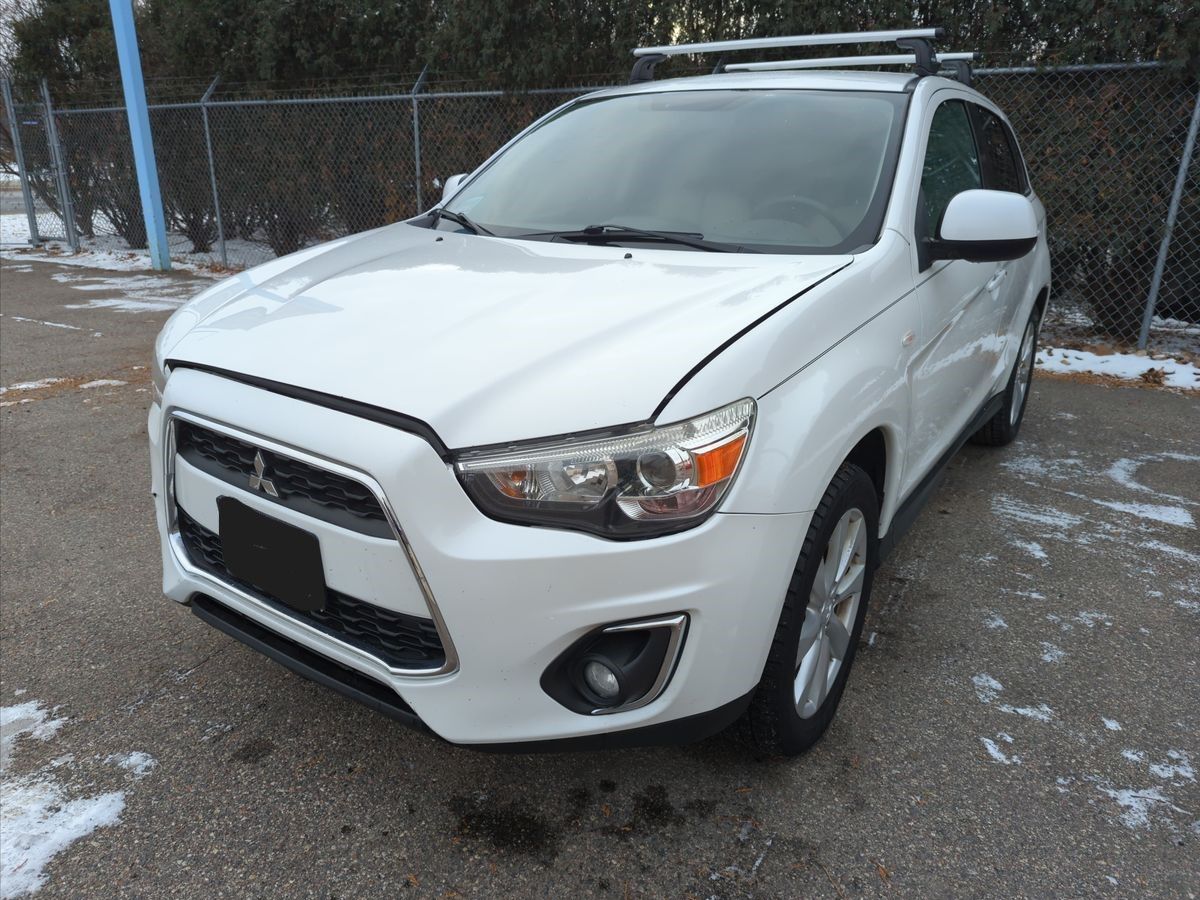
Whether you're driving a brand-new Outlander or a trusted Mirage with over 100K miles, staying ahead on small services is the best way to
avoid major expenses.
Let
Autopia Bloomington help you protect your investment with reliable, affordable maintenance—done by experts who know Mitsubishi vehicles inside and out.
Book your visit today, and keep your car in top shape without breaking the bank.