

Blog #193: The Silent Causes of Poor Gas Mileage You Didn’t Know About
Blog #193: The Silent Causes of Poor Gas Mileage You Didn’t Know About
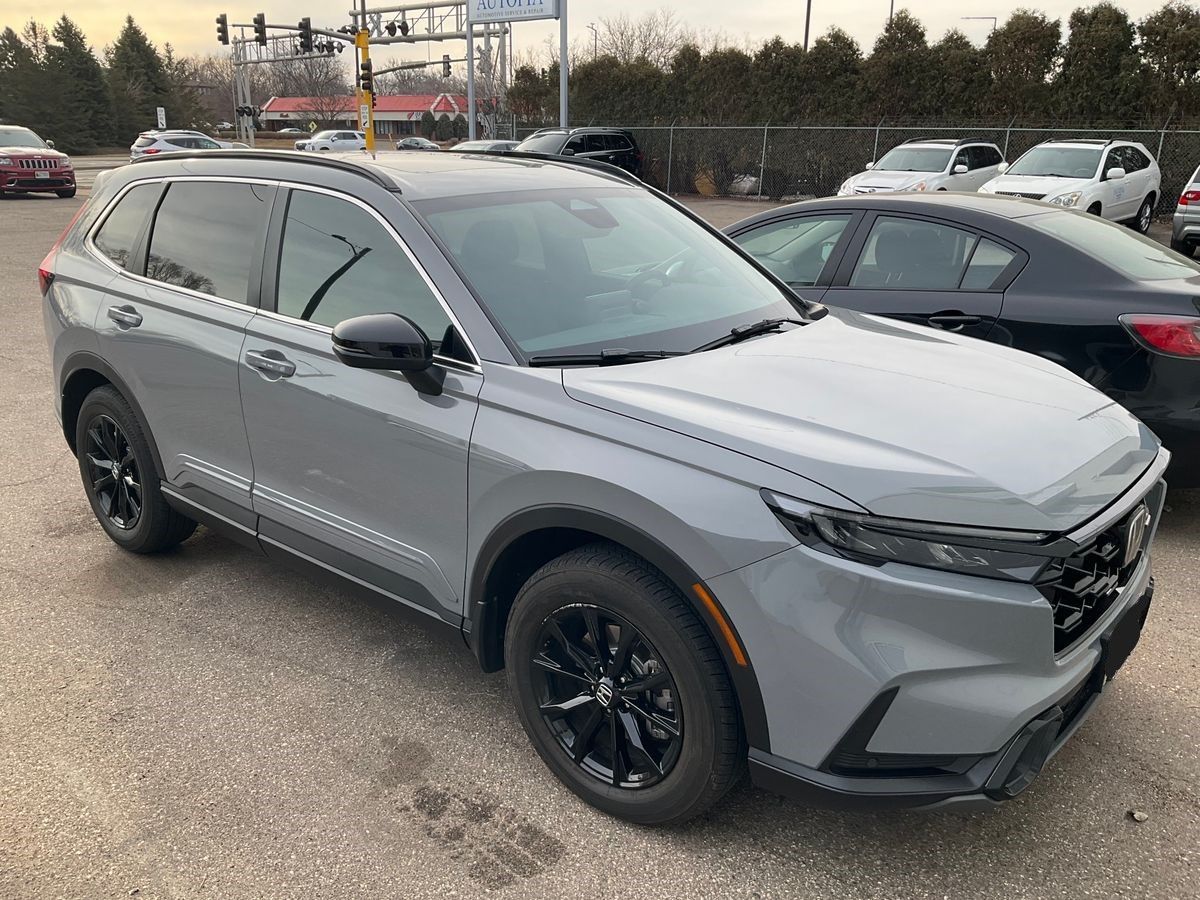
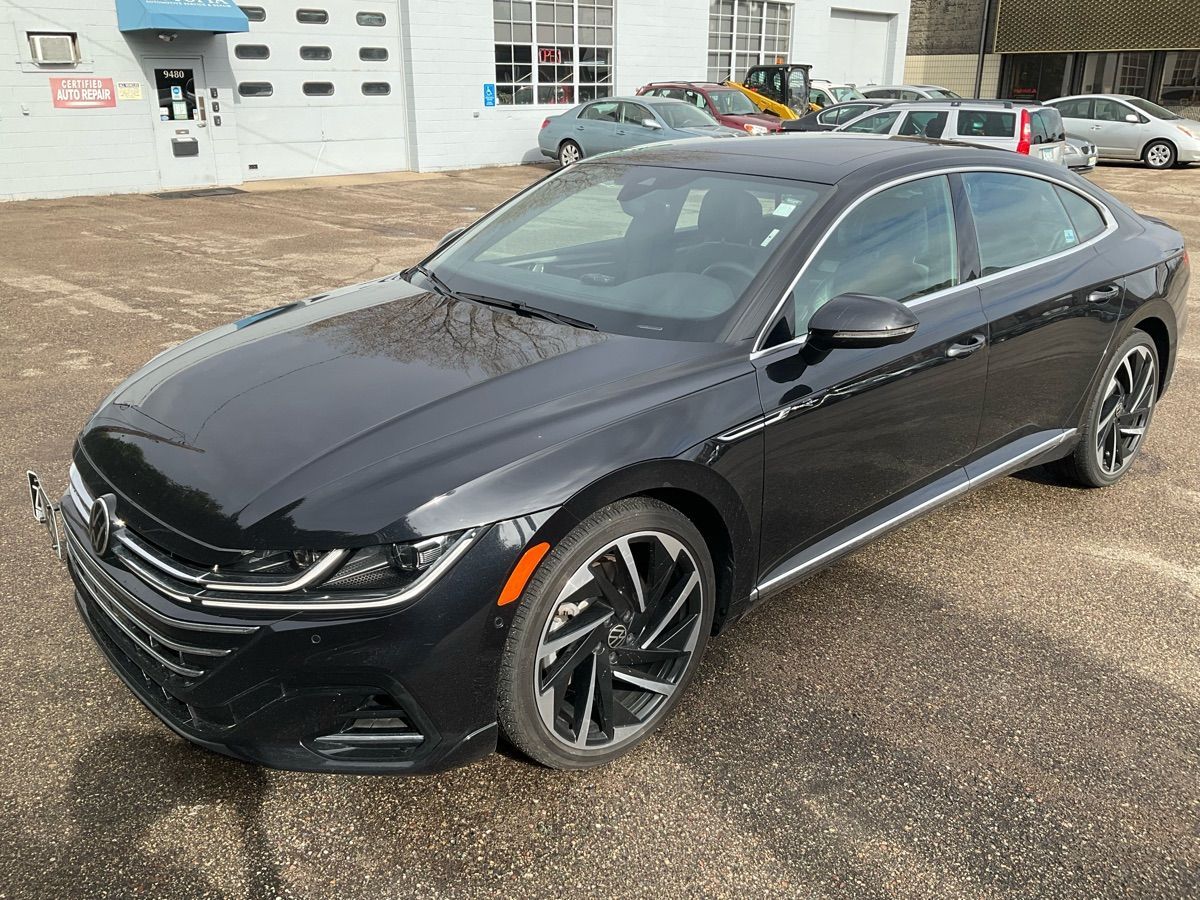
High fuel costs are frustrating, but most drivers don’t realize that poor gas mileage is rarely caused by fuel prices alone. At Autopia Bloomington, we see vehicles that appear fine on the surface but struggle with efficiency due to subtle, hidden issues. These “silent” causes often develop gradually, meaning drivers may not notice a problem until fuel consumption has already dropped. Understanding these hidden factors—and addressing them through professional inspections—can save money, improve performance, and extend the life of your vehicle.
Dirty or Clogged Airflow Components
Clean airflow is essential for efficient combustion. A partially clogged air filter or blocked intake reduces the amount of oxygen entering the engine, forcing it to burn more fuel to maintain power. Over time, this subtle inefficiency can decrease gas mileage significantly. While it may not immediately affect engine performance, addressing airflow issues early keeps your vehicle running efficiently.
Worn Spark Plugs and Ignition Issues
Spark plugs ignite the fuel-air mixture in your engine, and even slight wear or fouling can reduce combustion efficiency. Misfiring cylinders or inconsistent ignition may go unnoticed in day-to-day driving, but they force the engine to work harder and consume more fuel. Replacing worn plugs and maintaining the ignition system is a small step with a measurable impact on efficiency.
Tire and Alignment Problems
Tires are more than a safety component—they play a major role in fuel efficiency. Underinflated tires increase rolling resistance, requiring more engine power to move the vehicle. Misaligned wheels or uneven tire wear also reduce efficiency and accelerate wear on suspension components. Regular tire rotations, pressure checks, and alignment inspections prevent these hidden energy losses and maintain smooth driving performance.
Fuel System and Injector Inefficiencies
Fuel injectors, pumps, and filters ensure consistent fuel delivery. Even minor clogging or wear can create uneven fuel distribution, reducing efficiency without triggering a warning light. Over time, the engine burns more fuel to compensate, decreasing miles per gallon and putting stress on other systems. Professional inspections identify these issues before they affect long-term performance.
Drag and Excess Weight
Aerodynamic drag and extra weight silently sap efficiency. Roof racks, heavy cargo, or added accessories increase the energy required to maintain speed. Drivers may not realize these small additions reduce fuel economy consistently over time. Minimizing excess weight and drag where possible can produce noticeable improvements in mileage.
Driving Habits That Accelerate Fuel Loss
Driving style has a profound effect on fuel efficiency. Frequent hard acceleration, aggressive braking, and driving at high speeds all increase fuel consumption. Even short trips where the engine doesn’t fully warm up can create inefficiencies. Understanding how your driving habits influence gas mileage, combined with professional guidance on vehicle maintenance, helps maximize efficiency over the long term.
Why Professional Vehicle Inspections Matter
Many silent causes of poor gas mileage are subtle, interrelated, and difficult to detect without professional evaluation. At Autopia Bloomington, our professional vehicle inspections evaluate engine performance, fuel delivery, ignition systems, tires, alignment, and airflow components to identify hidden inefficiencies. By addressing these issues early, we help drivers save money at the pump, maintain performance, and prevent additional wear that could shorten vehicle lifespan.
Take Control of Your Vehicle’s Efficiency
Poor gas mileage isn’t just a financial annoyance—it’s a signal that your vehicle may not be operating optimally. Ignoring these silent causes can lead to higher fuel costs, accelerated wear, and decreased vehicle longevity. By combining professional inspections, preventative maintenance, and mindful driving, you can improve efficiency, protect your investment, and extend the life of your vehicle.
At Autopia Bloomington, we focus on detail-oriented, preventative care tailored to Bloomington drivers and their local driving conditions. Silent causes of poor gas mileage are easier to fix when detected early, and our professional inspections ensure that your vehicle runs efficiently, reliably, and safely for years to come.