

Blog #138: Honda Civic Owners: How to Keep Your Ride Efficient and Reliable in Bloomington
Blog #138: Honda Civic Owners:
How to Keep Your Ride Efficient and Reliable in Bloomington
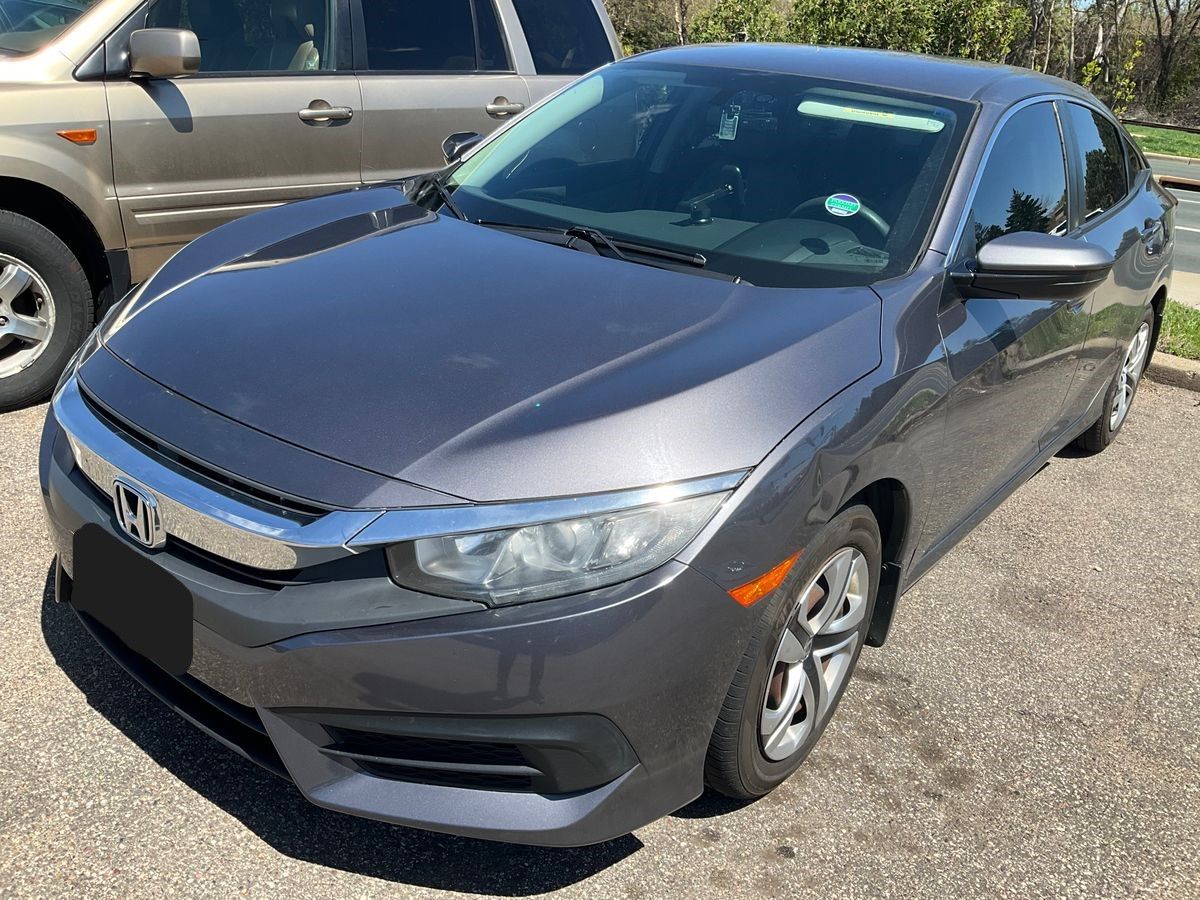
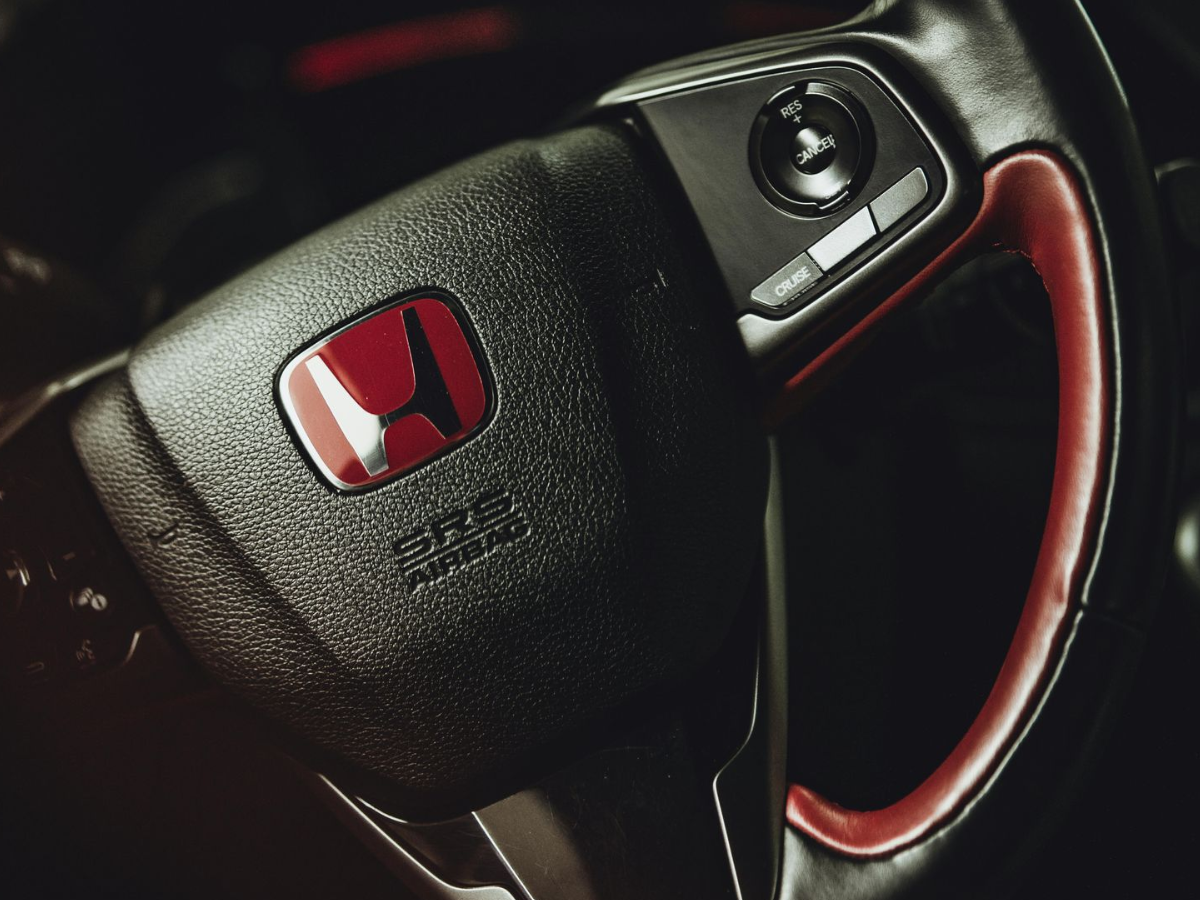
Owning a Honda Civic is about more than just having a reliable car—it’s about efficiency, performance, and longevity. At Autopia Bloomington, we’ve seen countless Civic owners overlook small maintenance tasks that can drastically impact fuel efficiency and overall reliability. This guide highlights the key steps you can take to keep your Honda Civic running efficiently, saving you money and stress over time.
Why Efficiency Matters for Your Honda Civic
Fuel efficiency isn’t just about saving money at the pump—it also reflects the overall health of your engine and drivetrain. A well-maintained Civic performs better, lasts longer, and maintains its resale value. Small maintenance oversights, however, can lead to reduced MPG, rough idling, and even premature engine wear.
Top Maintenance Areas to Focus On
1. Regular Oil and Filter Changes
Why It Matters: Clean, high-quality oil lubricates your engine, reduces friction, and helps maintain fuel efficiency. Dirty or old oil increases engine wear and reduces performance.
Smart Fix: Follow your manufacturer’s recommended interval—usually every 5,000–7,500 miles for modern Civics. At
Autopia Bloomington, we use premium oils and filters that match Honda’s specifications.
2. Tire Health and Alignment
Why It Matters: Properly inflated and aligned tires improve fuel efficiency, handling, and safety. Worn or uneven tires can increase rolling resistance, reducing MPG and putting stress on suspension components.
Smart Fix: Rotate tires regularly, check pressure monthly, and have wheel alignments done as recommended. Our team provides full tire inspections and alignment services for optimal performance.
3. Air Filter and Cabin Filter Care
Why It Matters: A clogged air filter restricts airflow, reducing engine efficiency and fuel economy. Similarly, a dirty cabin filter affects HVAC performance, making your car work harder.
Smart Fix: Replace air and cabin filters at manufacturer-recommended intervals. At
Autopia Bloomington, we inspect and replace filters to keep your engine breathing clean and your cabin air fresh.
4. Spark Plugs and Ignition System
Why It Matters: Worn spark plugs can cause misfires, reduced fuel efficiency, and rough acceleration. A well-maintained ignition system ensures smooth engine performance.
Smart Fix: Replace spark plugs according to Honda’s schedule. Our technicians check ignition coils, wires, and plugs to maintain reliable combustion and peak efficiency.
5. Fluids Beyond Oil
Why It Matters: Transmission fluid, coolant, brake fluid, and power steering fluid all play critical roles. Low or dirty fluids reduce efficiency and can damage components over time.
Smart Fix: Regularly check and flush fluids as recommended.
Autopia Bloomington provides complete fluid inspections and replacements to keep your Civic performing optimally.
6. Brake and Suspension Inspections
Why It Matters: Worn brakes and suspension parts not only compromise safety but also affect fuel efficiency. Dragging brakes or misaligned suspension increases engine load.
Smart Fix: Schedule brake and suspension checks at least once a year or at the first sign of vibration, noise, or pulling. Our team offers comprehensive inspections and replacements.
7. Battery and Electrical Systems
Why It Matters: A weak battery or faulty alternator can decrease efficiency, especially with modern electronics consuming more power.
Smart Fix: Have your battery tested annually and replace it every 3–5 years. Autopia Bloomington also inspects charging systems to ensure your Civic’s electronics run efficiently.
Signs Your Honda Civic Is Losing Efficiency
- Decreased MPG or higher fuel consumption
- Rough idling or engine hesitation
- Unusual engine noises or vibrations
- Dashboard warning lights
- Reduced braking or handling performance
If you notice any of these signs, a professional inspection can prevent small issues from turning into costly repairs.
Frequently Asked Questions (FAQ)
Q: How often should I have my Honda Civic serviced for efficiency?
A: Follow the manufacturer’s maintenance schedule, typically every 5,000–7,500 miles for oil and filter changes, and annual inspections for brakes, tires, and fluids.
Q: Can I improve fuel efficiency without major repairs?
A: Yes. Maintaining oil quality, tire pressure, air filters, and proper alignment can improve MPG and overall performance.
Q: How do I know if my spark plugs need replacement?
A: Signs include rough idling, engine misfires, or reduced acceleration. Our technicians at
Autopia Bloomington can inspect and replace them efficiently.
Q: Does driving style affect fuel efficiency?
A: Absolutely. Smooth acceleration, consistent speeds, and avoiding unnecessary idling help maintain MPG.
Q: Can Autopia Bloomington handle all Civic maintenance needs?
A: Yes. From oil changes and tire services to full engine diagnostics, we provide comprehensive care for Honda Civics, ensuring optimal performance and efficiency.
Keep Your Honda Civic Efficient and Reliable
Maintaining your Honda Civic goes beyond the basics. Regular checks, quality oil, and professional inspections keep your ride efficient, reliable, and safe. At
Autopia Bloomington, our technicians specialize in Honda maintenance, helping you extend your vehicle’s life and maximize performance.
Schedule your next service today and experience peace of mind knowing your Civic is in expert hands.