
Blog #139: Ford Drivers: The Hidden Costs of Skipping Brake Inspections
Blog #139: Ford Drivers: The Hidden Costs of Skipping Brake Inspections
Brakes are arguably the most critical safety component on your vehicle. For
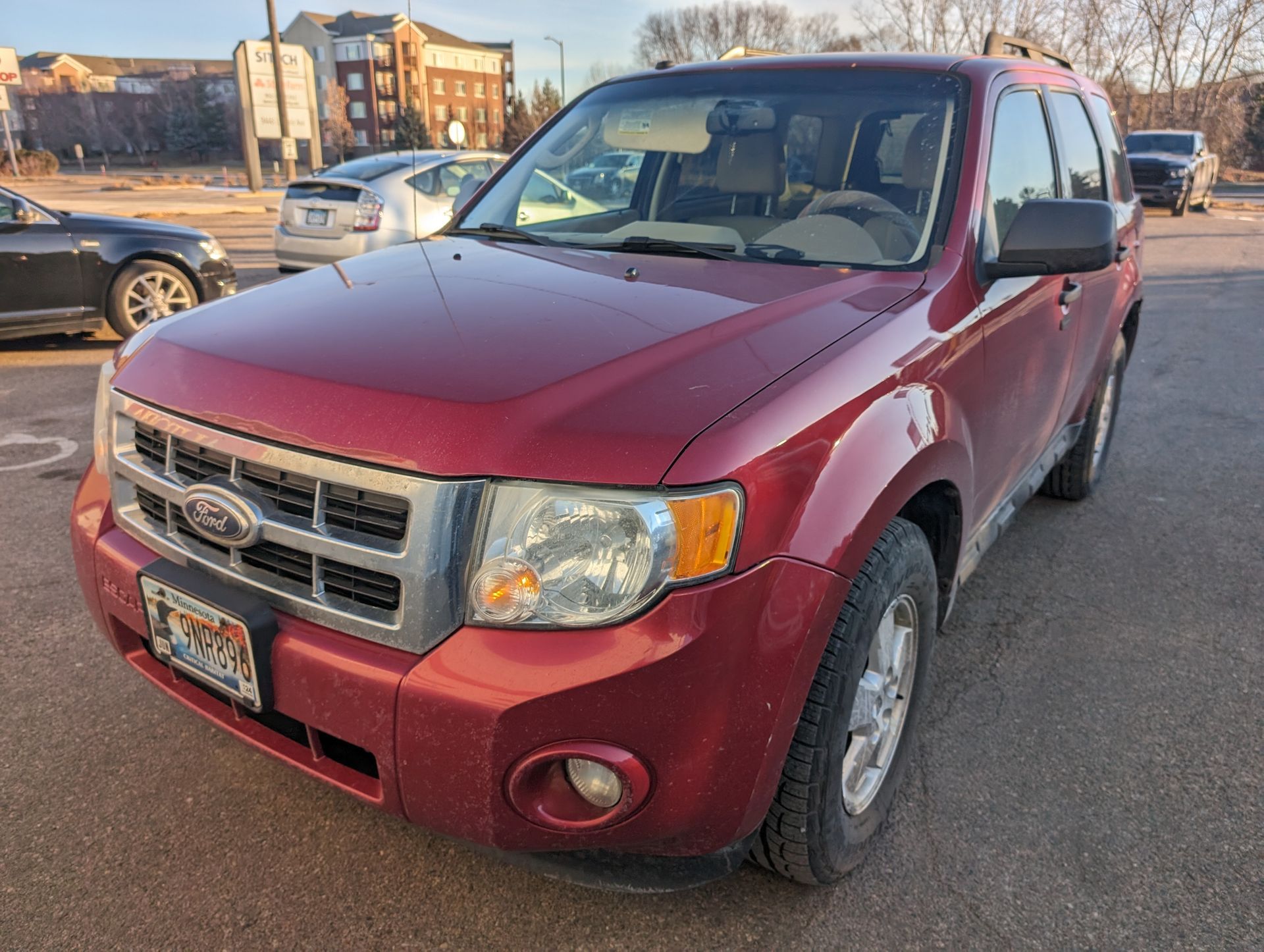
Ford drivers in Bloomington, ignoring routine brake inspections can lead to costly repairs, decreased performance, and even dangerous driving situations. At
Autopia Bloomington, we’ve seen firsthand how small oversights with brake maintenance can snowball into expensive problems.
This guide explains why regular brake inspections are essential, what to look out for, and how proper care can save you money while keeping your vehicle—and your family—safe.
Why Brake Inspections Matter
Brakes do more than stop your vehicle—they’re integral to your Ford’s safety, performance, and overall longevity. Over time, brake pads, rotors, and other components wear down, and fluid can degrade. Ignoring these issues may not trigger immediate warnings, but the consequences can be expensive and dangerous.
Regular inspections catch problems early, prevent unnecessary wear, and ensure your Ford’s braking system works when you need it most.
Common Brake Issues Ford Drivers Face
1. Worn Brake Pads and Rotors
Why It Matters: Brake pads gradually wear down, reducing stopping power. If ignored, rotors can become damaged, requiring full replacement—a far costlier repair.
Smart Fix: Inspect brakes at least once a year or sooner if you hear squealing, grinding, or notice decreased braking performance. Autopia Bloomington provides thorough brake pad and rotor inspections and replacements tailored to your Ford model.
2. Contaminated or Low Brake Fluid
Why It Matters: Brake fluid transfers the force from your pedal to the brake system. Low or contaminated fluid can reduce braking efficiency and cause corrosion in brake components.
Smart Fix: Check brake fluid regularly and have it flushed according to manufacturer recommendations. Our technicians ensure your fluid is clean and at the proper level for safe operation.
3. Brake Caliper and Hardware Wear
Why It Matters: Brake calipers and hardware can seize or corrode over time, causing uneven pad wear and reduced braking performance.
Smart Fix: Schedule inspections for calipers, slide pins, and associated hardware. Autopia Bloomington’s team ensures these components move freely and work as designed.
4. ABS Sensor and System Failures
Why It Matters: Modern Ford vehicles are equipped with ABS (Anti-lock Braking System). Faulty sensors or wiring can trigger warning lights and affect braking in emergency situations.
Smart Fix: Have your ABS system checked during routine brake service. Our certified technicians use advanced diagnostics to identify issues before they compromise safety.
Warning Signs Your Brakes Need Attention
- Squealing or grinding noises
- Vibrations through the brake pedal or steering wheel
- Longer stopping distances
- Pulling to one side during braking
- Brake warning lights on the dashboard
Even subtle signs shouldn’t be ignored—early detection prevents costly repairs and dangerous situations.
Frequently Asked Questions (FAQ)
Q: How often should I have my Ford’s brakes inspected?
A: At least once a year or every 12,000 miles, whichever comes first. Inspections may be needed sooner if you notice unusual noises or performance changes.
Q: Can I drive safely if my brake pads are worn?
A: While your car may still stop, braking distance is increased, and damage to rotors or calipers can occur. Prompt inspection is critical.
Q: Does Autopia Bloomington service all Ford models?
A: Yes. From compact Fords to full-size trucks, we provide expert brake inspections and maintenance tailored to each vehicle.
Q: How long does a typical brake inspection and service take?
A: Most inspections take under an hour, while pad or rotor replacements may take 1–2 hours, depending on your vehicle.
Q: Can skipping brake maintenance affect my insurance or warranty?
A: Neglecting brakes can impact safety-related warranties. Keeping your brakes maintained ensures both safety and compliance with manufacturer recommendations.
Save Money and Stay Safe with Autopia Bloomington
Skipping brake inspections may seem like a minor decision, but the hidden costs—both financial and safety-related—can be significant. At
Autopia Bloomington, we help Ford drivers in Bloomington stay ahead of brake problems with thorough inspections, honest advice, and expert repairs.
Schedule your next brake inspection today and drive confidently, knowing your Ford is stopping safely and performing at its best.