Blog #147: Mitsubishi Outlander Owners: How to Prevent Brake Fade in City Driving
Blog #147: Mitsubishi Outlander Owners: How to Prevent Brake Fade in City Driving
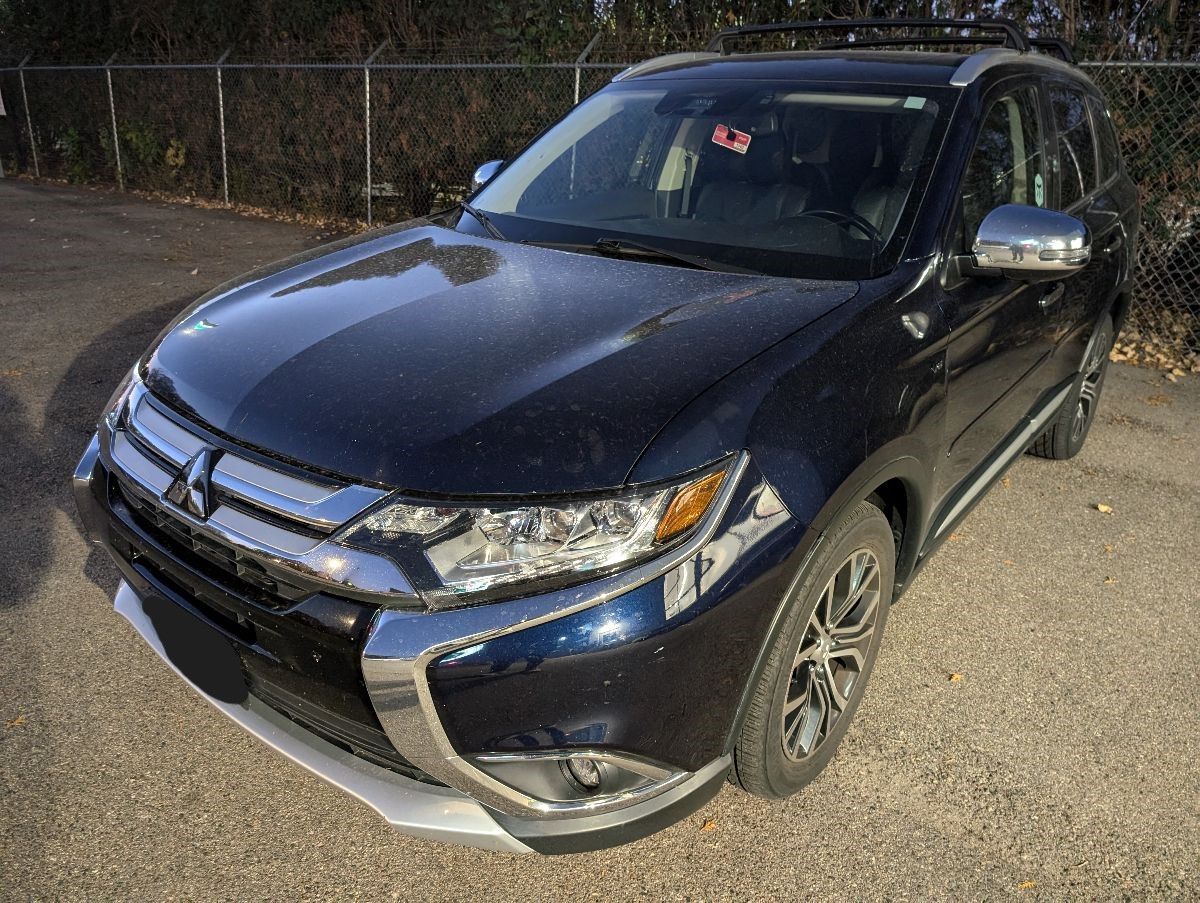
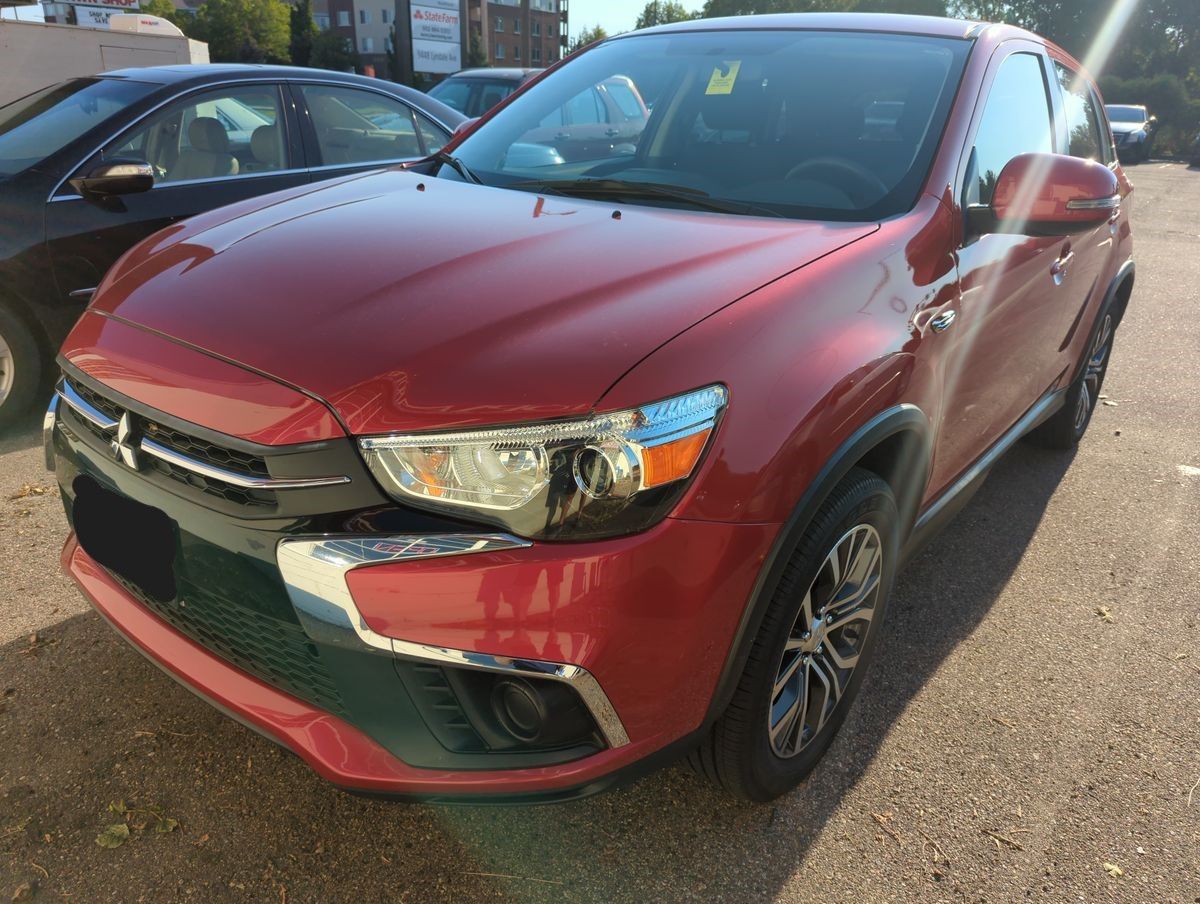
At
Autopia Bloomington, we know how much Outlander owners love their SUVs for reliability, comfort, and performance. Whether you’re navigating Bloomington’s downtown traffic or making daily commutes, your Mitsubishi’s brakes are one of the most critical systems keeping you safe.
However, many Outlander drivers overlook a hidden issue that can lead to dangerous situations —
brake fade. This condition reduces braking efficiency, especially during frequent stop-and-go driving or downhill routes, and can turn even a short drive into a potential hazard.
In this comprehensive guide, we’ll explain what brake fade is, what causes it, and how Mitsubishi Outlander owners can prevent it with smart maintenance and professional care at Autopia Bloomington.
What Is Brake Fade?
Brake fade happens when your vehicle’s braking system overheats and temporarily loses its ability to generate sufficient stopping power. This often occurs when you apply your brakes repeatedly in city driving, during long downhill descents, or in hot weather conditions.
As heat builds up, the brake pads and rotors can’t maintain friction, which leads to longer stopping distances — or worse, a spongy brake pedal that feels unresponsive.
Common Causes of Brake Fade in Mitsubishi Outlanders
1. Overheating Brakes
Frequent braking in traffic or while descending steep hills can cause excessive heat buildup. When the temperature gets too high, the brake fluid may start to boil, reducing hydraulic pressure and braking power.
2. Worn Brake Pads or Rotors
Thin or glazed brake pads can’t dissipate heat efficiently. If your Outlander’s rotors are worn or warped, friction becomes inconsistent, increasing the risk of brake fade.
3. Old or Contaminated Brake Fluid
Brake fluid absorbs moisture over time, which lowers its boiling point and makes it more susceptible to overheating. This is one of the most common culprits behind fading brakes.
4. Aggressive Driving Habits
Riding the brakes, tailgating, or sudden stops in traffic increase heat buildup. Over time, this wears down your braking components faster.
5. Neglected Maintenance
Ignoring routine brake inspections means small problems — like a slight vibration or squeal — can escalate into a full-blown fade issue or brake failure.
Warning Signs of Brake Fade
- A soft or spongy brake pedal
- Burning smell after heavy braking
- Grinding, squealing, or vibration when stopping
- Longer stopping distance
- Brake warning light on your dashboard
If you notice any of these symptoms, it’s time to bring your Mitsubishi Outlander to Autopia Bloomington for a thorough brake system inspection before it turns into a costly repair.
How to Prevent Brake Fade in Your Mitsubishi Outlander
1. Schedule Regular Brake Inspections
Have your brakes inspected at least once a year or every 12,000 miles. Our technicians at Autopia Bloomington check pad thickness, rotor condition, and brake fluid levels to catch issues early.
2. Flush and Replace Brake Fluid
Brake fluid should be replaced every 2–3 years or as recommended in your Outlander’s manual. This keeps moisture out and ensures reliable hydraulic pressure during heavy braking.
3. Upgrade to High-Quality Brake Pads
Not all pads are created equal. Performance or ceramic pads offer better heat resistance and longer lifespan — ideal for city driving and stop-and-go conditions.
4. Avoid Riding the Brakes
When possible, use
engine braking (downshifting in lower gears) to slow down instead of constantly pressing the brake pedal. This helps reduce heat and prolongs brake life.
5. Keep Tires and Suspension in Good Shape
Worn tires or misaligned suspension can put extra stress on your brakes. Routine alignments and tire rotations at Autopia Bloomington help balance performance and safety.
6. Listen for Warning Sounds
Squealing or grinding noises aren’t normal — they signal wear and tear that needs attention. A quick visit for diagnostics can save you from brake fade or expensive rotor replacements.
Why Regular Brake Maintenance Saves You Money
Preventive maintenance isn’t just about safety — it’s also financially smart. Replacing brake pads and fluids is far cheaper than replacing damaged rotors or calipers. Plus, well-maintained brakes improve fuel efficiency, as your engine doesn’t have to work as hard compensating for worn components.
At Autopia Bloomington, we use manufacturer-approved parts and advanced tools to ensure your Mitsubishi Outlander’s brakes perform like new, keeping you safe and saving you money in the long run.
Frequently Asked Questions (FAQ)
Q: How often should I have my Mitsubishi Outlander’s brakes inspected?
A: Ideally once a year or every 12,000 miles. If you drive frequently in city traffic or steep areas, more frequent inspections are recommended.
Q: What’s the best brake fluid for a Mitsubishi Outlander?
A: Always use the brake fluid type specified in your owner’s manual (usually DOT 3 or DOT 4). Autopia Bloomington technicians use only top-quality fluids that meet or exceed Mitsubishi’s standards.
Q: How can I tell if my brakes are overheating?
A: You might notice a burning smell, smoke, or a decrease in stopping power. If that happens, pull over safely and let your brakes cool before driving again.
Q: Can I replace my own brake pads at home?
A: While it’s possible, professional service ensures correct installation, proper torque, and rotor surface inspection — which most DIY jobs overlook. Our experts at Autopia Bloomington handle the job safely and efficiently.
Q: How long do Outlander brakes typically last?
A: Brake pads generally last between
30,000–70,000 miles, depending on driving style and conditions. Regular inspections help extend their lifespan.
Keep Your Mitsubishi Outlander Safe and Reliable
Your Mitsubishi Outlander deserves the best care to stay dependable through every Bloomington commute. Preventing brake fade isn’t just about maintenance — it’s about protecting your safety and preserving your SUV’s performance.
At
Autopia Bloomington, our certified technicians provide honest diagnostics, high-quality repairs, and maintenance designed specifically for Mitsubishi vehicles. From brake inspections to fluid flushes, we make sure your Outlander stops as confidently as it drives.
Schedule your brake inspection today at Autopia Bloomington — and drive with peace of mind knowing your SUV’s braking system is ready for whatever the road brings.