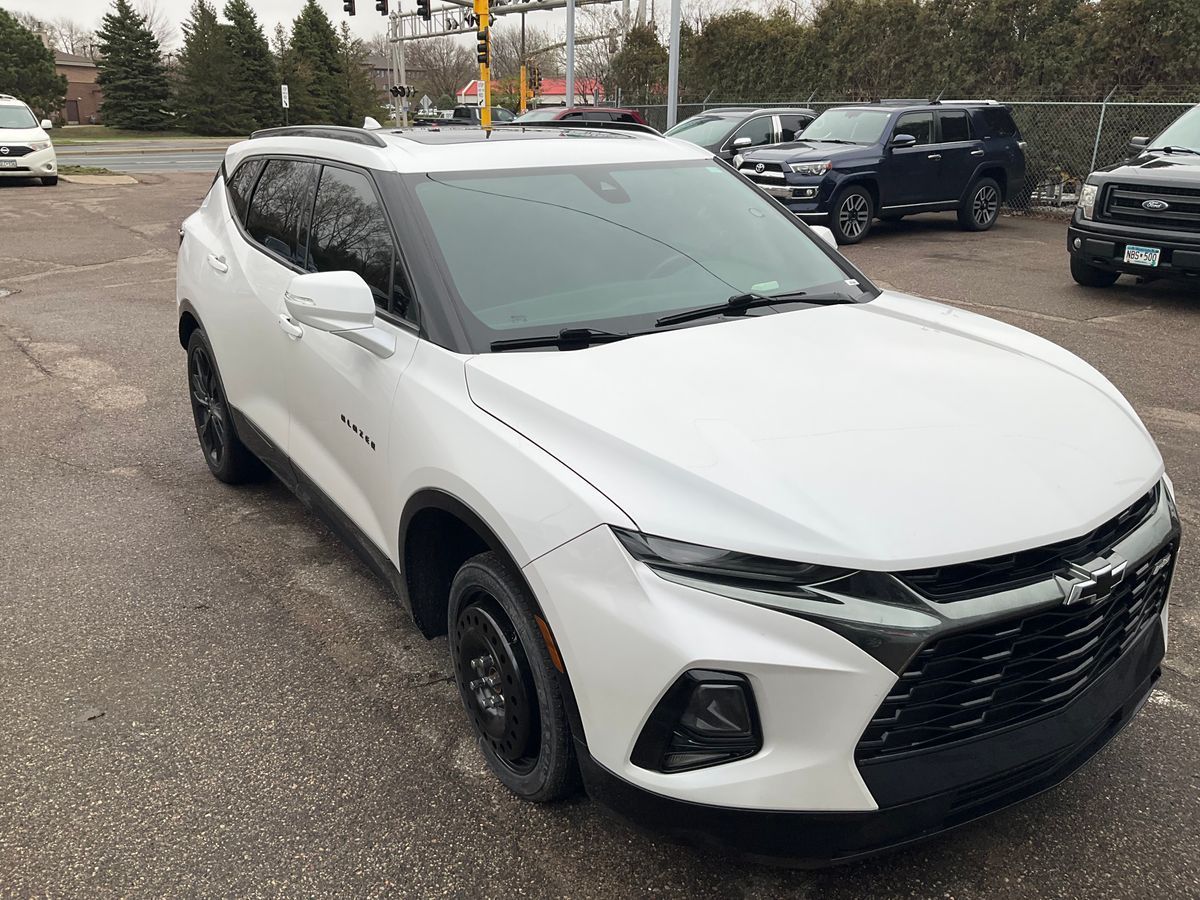


Blog #148: Chevrolet Equinox & Traverse Safety Tips: How Bloomington Families Can Stay Secure on the Road
Blog #148: Chevrolet Equinox & Traverse Safety Tips: How Bloomington Families Can Stay Secure on the Road

At
Autopia Bloomington, we know how important safety is for families behind the wheel. The
Chevrolet Equinox and
Traverse are popular choices for Bloomington drivers seeking spacious, reliable SUVs. But even the most well-engineered vehicles require proper maintenance and care to ensure safety on every trip.
In this guide, we’ll walk you through key areas to monitor, preventive steps you can take, and why regular service at Autopia Bloomington can make all the difference for your Chevrolet SUV.
Why Safety-Focused Maintenance Matters
Families trust their Equinox or Traverse to keep loved ones safe. Neglecting routine maintenance or missing early warning signs can lead to:
- Reduced braking performance
- Poor handling and steering response
- Increased risk of accidents
- Costly repairs down the line
Preventive maintenance ensures your SUV performs optimally, protects passengers, and extends the life of your vehicle.
Key Maintenance Areas for Chevrolet Equinox & Traverse
1. Brake System Inspections
Why It Matters: Brakes are your first line of defense. Worn pads, thin rotors, or low brake fluid can drastically increase stopping distance.
Smart Fix: Schedule brake inspections at least once a year, or sooner if you notice squeaking, vibrations, or reduced responsiveness. At Autopia Bloomington, we provide comprehensive brake diagnostics, replacements, and fluid checks.
2. Tire Health and Alignment
Why It Matters: Proper tires improve traction, handling, and fuel efficiency. Uneven wear or misalignment can stress suspension components and reduce SUV stability.
Smart Fix: Rotate tires every 6,000–8,000 miles, maintain proper pressure, and schedule periodic alignments. Our technicians ensure your Equinox or Traverse handles safely, even on Bloomington’s city streets.
3. Suspension and Steering Checks
Why It Matters: Worn shocks, struts, or steering components can affect comfort, tire wear, and handling — especially in stop-and-go traffic or on uneven roads.
Smart Fix: Inspect suspension every 30,000–50,000 miles or sooner if you feel vibrations, pulling, or uneven tire wear. Autopia Bloomington provides alignment adjustments, component replacements, and suspension tuning for a smooth, safe ride.
4. Fluid Maintenance
Why It Matters: Transmission, brake, coolant, and power steering fluids are critical for smooth operation. Low or dirty fluids can cause overheating, poor performance, or component failure.
Smart Fix: Regularly check and replace fluids according to manufacturer recommendations. Autopia Bloomington technicians perform full fluid inspections and flushes to maintain optimal SUV performance.
5. Battery and Electrical Systems
Why It Matters: Modern Chevrolet SUVs rely heavily on electronics — from infotainment to advanced driver-assist features. A weak battery or corroded connections can leave you stranded.
Smart Fix: Test your battery annually and replace it every 3–5 years. Our team also diagnoses and repairs electrical issues to keep your vehicle fully functional and family-ready.
6. Lighting and Visibility
Why It Matters: Headlights, taillights, and indicators are critical for safe driving, especially in low-light conditions or inclement weather.
Smart Fix: Inspect all lights regularly and replace bulbs promptly. Autopia Bloomington ensures your SUV remains visible and road-ready in all conditions.
Warning Signs to Watch For
- Squealing, grinding, or soft brake pedals
- Uneven tire wear or vibrations while driving
- Warning lights on the dashboard
- Reduced fuel efficiency or unusual engine sounds
- Steering that feels loose or unresponsive
Addressing these issues early can prevent serious accidents and costly repairs.
Frequently Asked Questions (FAQ)
Q: How often should I bring my Equinox or Traverse for service?
A: Routine maintenance is recommended every 5,000–7,500 miles for oil changes and every 30,000–50,000 miles for major inspections. Driving conditions may require more frequent checks.
Q: Can I perform basic maintenance myself?
A: Basic tasks like checking tire pressure or fluid levels are possible, but professional inspections catch hidden problems that DIY checks often miss. Autopia Bloomington ensures nothing is overlooked.
Q: What if I hear unusual brake or suspension noises?
A: Don’t ignore them. Schedule a diagnostic visit at Autopia Bloomington to prevent further damage and ensure your SUV remains safe for family travel.
Q: How long do maintenance appointments take?
A: Most routine checks, including brakes, tires, fluids, and battery inspections, take 1–2 hours. More complex repairs may require additional time.
Q: Can maintenance improve SUV performance and safety?
A: Absolutely. Regular professional service keeps your Equinox or Traverse running efficiently, reduces wear on critical components, and enhances safety for every drive.
Drive Confidently With Autopia Bloomington
Families rely on their Chevrolet Equinox and Traverse for safety, reliability, and comfort. Proper maintenance isn’t just about avoiding breakdowns — it’s about protecting your loved ones and making every Bloomington drive worry-free.
At
Autopia Bloomington, our expert technicians provide thorough inspections, high-quality repairs, and preventive maintenance tailored to your Chevrolet SUV. From brakes to battery checks, suspension to fluids, we ensure your vehicle stays safe and reliable mile after mile.
Schedule your service today at Autopia Bloomington and drive with confidence, knowing your family is secure on every road.