Blog #149: Ford Engine Noise Guide: When “Normal” Sounds Signal Trouble for Bloomington Drivers
Blog #149: Ford Engine Noise Guide: When “Normal” Sounds Signal Trouble for Bloomington Drivers
At
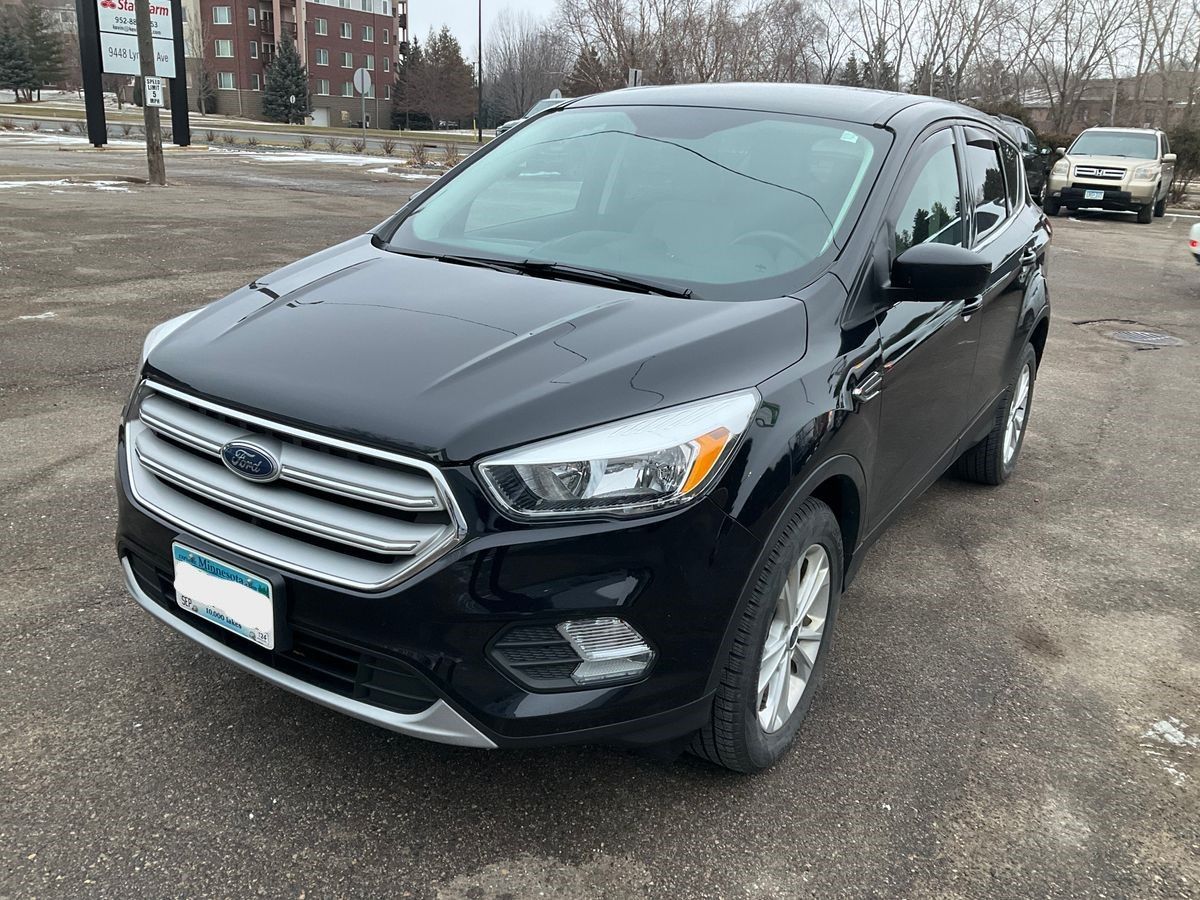
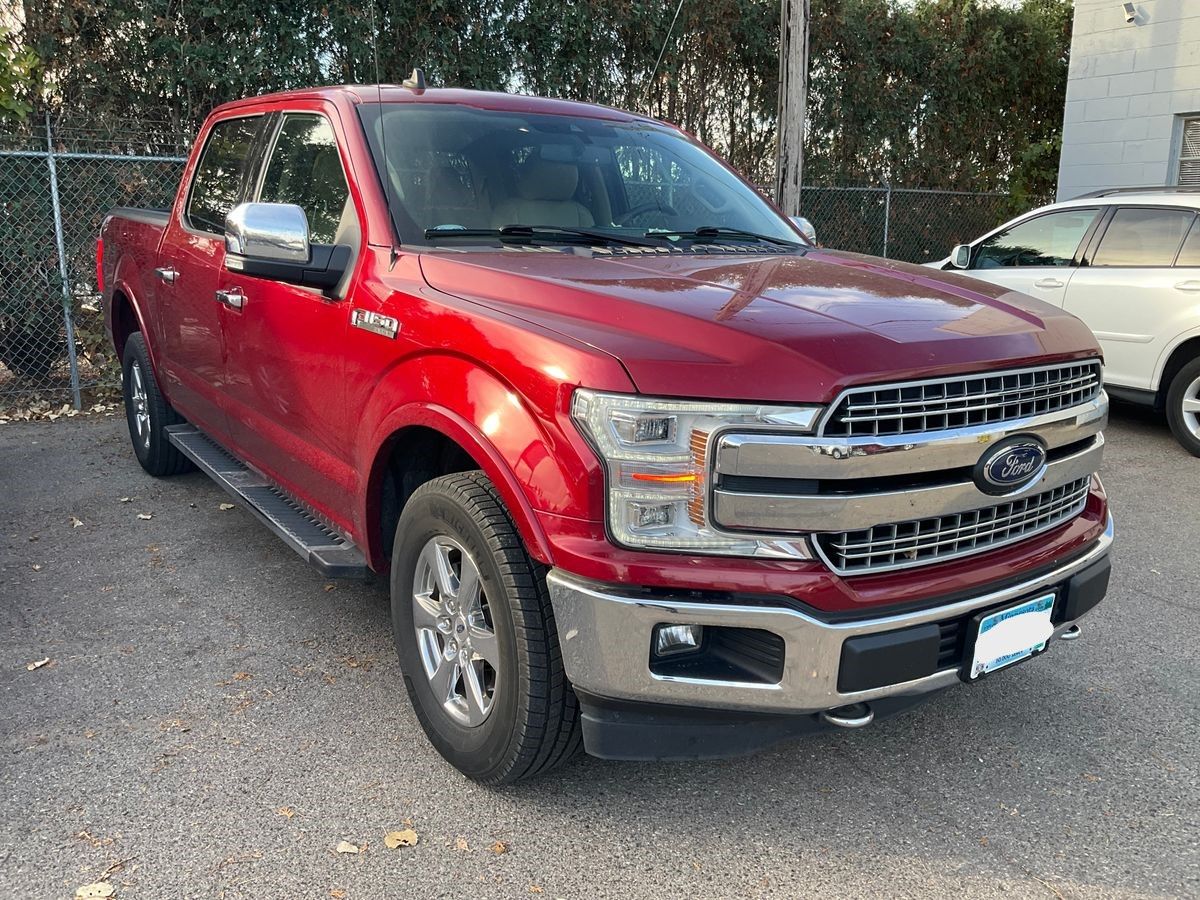
Autopia Bloomington, we know Ford owners take pride in their vehicles — whether it’s the dependable
F-150, efficient
Escape, or powerful
Explorer. But even the most reliable Ford engines can develop issues over time, often starting with sounds drivers might mistake as “normal.”
If your Ford’s engine has started making unfamiliar noises — rattles, knocks, or hums — don’t ignore them. These could be early warning signs of mechanical problems that, if caught early, are far cheaper and easier to fix.
In this guide, we’ll break down what common Ford engine sounds mean, what causes them, and when it’s time to visit Autopia Bloomington for a professional inspection.
Why Engine Sounds Matter
Your Ford’s engine is built for power and efficiency, but it also communicates through sound. A change in tone, rhythm, or frequency often signals wear or developing issues. Ignoring these cues can lead to:
- Reduced performance and fuel efficiency
- Premature engine wear
- Costly repairs or total engine failure
Paying attention to unusual sounds and scheduling preventive maintenance can extend the life of your engine — and your vehicle overall.
Common Ford Engine Noises and What They Mean
1. Knocking or Pinging Sounds
Possible Causes:
- Low-quality fuel or incorrect octane
- Carbon buildup in the combustion chamber
- Faulty spark plugs or ignition timing issues
Why It Matters: Persistent knocking can damage pistons and bearings.
Smart Fix: Use the recommended fuel type and have Autopia Bloomington check your ignition system and engine timing. Regular fuel system cleanings can also help prevent buildup.
2. Ticking or Clicking Noises
Possible Causes:
- Low oil level or poor lubrication
- Faulty lifters or valves
- Exhaust manifold leaks
Why It Matters: Ticking can indicate oil isn’t reaching vital parts of the engine, leading to wear.
Smart Fix: Check oil levels immediately and schedule an oil and filter change. At Autopia Bloomington, we use the correct oil viscosity for your Ford to ensure smooth operation.
3. Squealing or Chirping
Possible Causes:
- Worn serpentine belt or tensioner
- Misaligned pulley
- Weak alternator bearings
Why It Matters: A worn belt can snap unexpectedly, disabling power steering or the alternator.
Smart Fix: Have belts inspected regularly and replaced every 60,000–90,000 miles. Autopia Bloomington technicians will check for tension, alignment, and wear to prevent costly breakdowns.
4. Grinding or Growling
Possible Causes:
- Worn water pump or alternator bearings
- Failing power steering pump
- Transmission or accessory drive issues
Why It Matters: Ignoring grinding sounds can lead to seized components or catastrophic engine failure.
Smart Fix: Schedule a diagnostic inspection right away. Our technicians at Autopia Bloomington identify and fix worn-out components before they cause further damage.
5. Hissing or Whistling
Possible Causes:
- Vacuum leak
- Cracked hose
- Cooling system or radiator cap leak
Why It Matters: A vacuum leak can cause poor fuel economy, rough idling, or stalling.
Smart Fix: Don’t ignore hissing or whistling under the hood. Autopia Bloomington’s diagnostic tools can pinpoint leaks quickly to restore performance and efficiency.
How Regular Maintenance Helps Prevent Engine Noise
Consistent maintenance is the best way to prevent unusual engine sounds. Here’s what every Ford driver should prioritize:
- Oil and Filter Changes: Every 5,000–7,500 miles to maintain lubrication.
- Timing Belt and Chain Inspections: Every 60,000–100,000 miles to prevent internal engine damage.
- Fuel System Cleaning: Removes carbon buildup that causes knocking.
- Cooling System Checks: Keeps engine temperature stable and prevents overheating.
- Fluid Level Inspections: Ensures all moving parts are properly lubricated and cooled.
At Autopia Bloomington, we follow Ford’s maintenance schedules and use manufacturer-approved fluids and parts for long-term reliability.
Warning Signs You Should Never Ignore
- Check Engine Light stays on
- Noticeable drop in fuel economy
- Rough idling or misfiring
- Burning smell or smoke from the engine bay
- Metallic or rattling noises that increase with acceleration
Even if your Ford still runs fine, these are red flags that something isn’t right — and waiting too long can turn a minor issue into a major repair.
Frequently Asked Questions (FAQ)
Q: My Ford makes noise only when it starts cold — should I worry?
A: Cold-start noises can indicate low oil pressure or worn parts that need attention. If the noise continues for more than a few seconds, schedule an inspection at Autopia Bloomington.
Q: What’s the most common cause of Ford engine noise?
A: Low or dirty oil is one of the biggest culprits. Staying on top of oil changes helps prevent ticking, knocking, and grinding sounds.
Q: Can I diagnose engine noise myself?
A: You can note when and how the noise occurs (e.g., during acceleration or idle), but accurate diagnosis requires professional tools and expertise. Autopia Bloomington’s technicians can pinpoint the cause quickly.
Q: Is it safe to keep driving with a strange noise?
A: Not recommended. Some noises might seem minor but could signal serious internal wear. It’s best to have it checked immediately.
Q: How can I keep my Ford engine quiet and healthy long-term?
A: Regular oil changes, proper fuel, timely belt replacements, and routine inspections are key. At Autopia Bloomington, we ensure your Ford runs smoothly and quietly — mile after mile.
Keep Your Ford Running Strong With Autopia Bloomington
Your Ford’s engine is built to perform, but it needs proper care to stay that way. Unusual sounds aren’t just background noise — they’re your vehicle’s way of telling you something’s wrong.
At
Autopia Bloomington, our ASE-certified technicians specialize in diagnosing and repairing Ford engines. Whether it’s a subtle ticking or a worrying knock, we’ll find the root cause, fix it fast, and get you safely back on the road.
Schedule your engine inspection at Autopia Bloomington today — and enjoy peace of mind knowing your Ford is running at its best.