

Blog #176: Why Ignoring Your Car’s Electronics Leads to Bigger Problems
Blog #176: Why Ignoring Your Car’s Electronics Leads to Bigger Problems
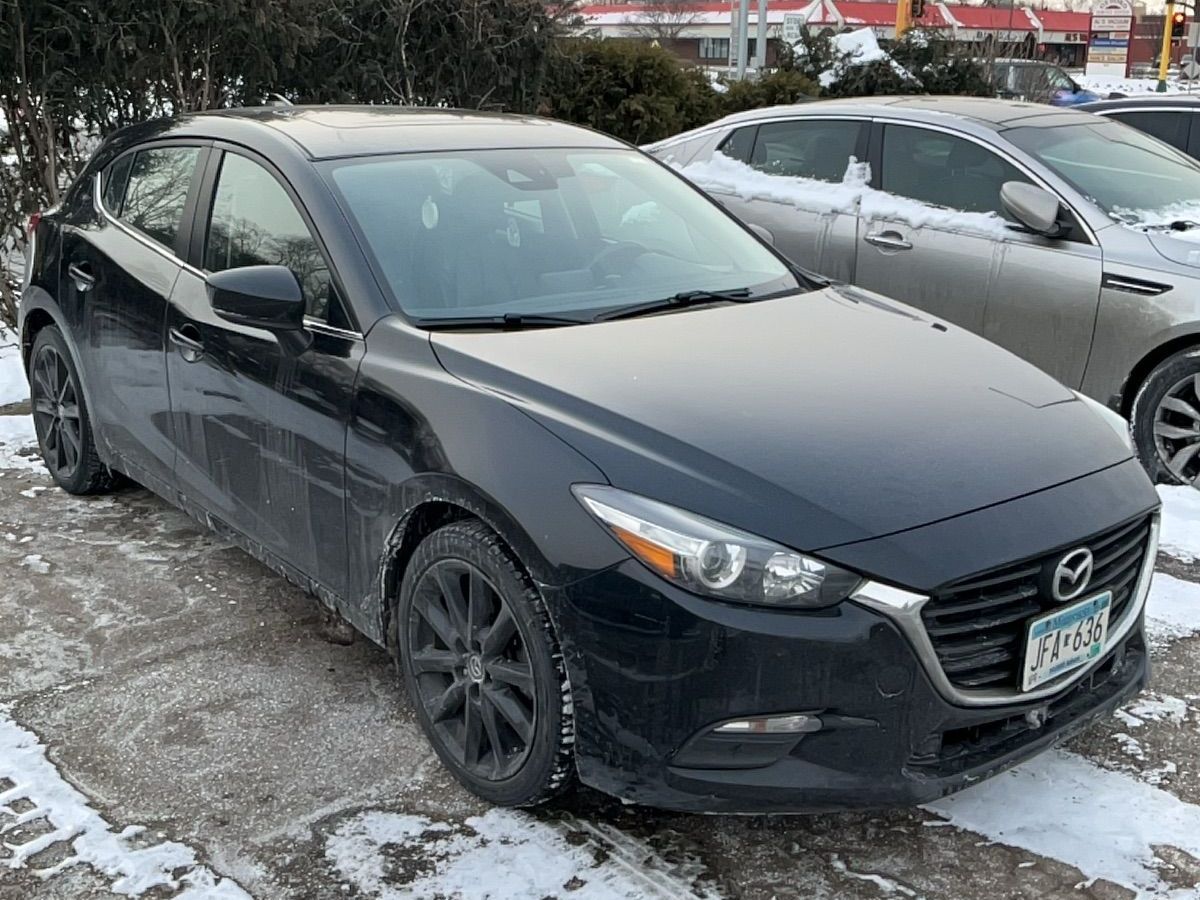

Modern vehicles are more than just engines and wheels—they’re complex networks of electronic systems controlling everything from fuel injection to safety features. Despite this, many drivers overlook their car’s electronics, assuming that as long as the engine starts and the lights turn on, everything is fine.
At Autopia Bloomington, we see the consequences of ignoring electronic systems every day. Minor electrical issues, if left unchecked, can snowball into expensive repairs that impact performance, safety, and reliability.
The Silent Role of Electronics in Your Car
Today’s vehicles rely heavily on sensors, modules, and onboard computers. These systems control your engine, transmission, brakes, infotainment, airbags, and more. Even something as simple as a faulty sensor can cause cascading issues.
For example, a failing oxygen sensor can affect fuel efficiency and engine performance, while a malfunctioning brake sensor may compromise stopping power. Without professional diagnostics, these problems often go unnoticed until they become serious—or dangerous.
Signs Your Electronics Might Be Failing
Some electronic issues are obvious: flickering dashboard lights, strange beeps, or warning messages. Others are subtle, like intermittent engine hesitation, inconsistent fuel economy, or malfunctioning climate controls.
Many drivers dismiss these as minor annoyances, but each symptom is your car trying to communicate a problem. At Autopia Bloomington, our technicians use specialized tools to pinpoint the source of these issues before they escalate.
Hidden Dangers of Electrical Neglect
Ignoring small electronic issues can lead to:
- Battery Drain: Malfunctions in sensors or modules can cause your battery to discharge faster than normal, leaving you stranded.
- Component Failure: A minor wiring fault can damage connected systems, like ABS brakes or electronic steering.
- Safety Risks: Airbags, stability control, and other critical safety systems depend on electronics. Failures here could have life-threatening consequences.
Routine diagnostics prevent small faults from evolving into major repairs or safety hazards.
Why Professional Inspections Make a Difference
Visual inspections can’t detect all electronic problems. Technicians at Autopia Bloomington use advanced diagnostic tools to read system codes, test modules, and check wiring integrity. This allows us to catch hidden faults before they affect performance or safety.
For example, a minor sensor malfunction might not trigger a warning light immediately, but professional scanning will detect it. Addressing it early prevents expensive replacements of major components, saving both time and money.
Electronic Maintenance Tips for Drivers
Even if you aren’t seeing problems, consider the following to keep your car’s electronics healthy:
- Schedule routine professional inspections at Autopia Bloomington.
- Keep your battery and charging system in check. Electronics rely on stable voltage to function properly.
- Avoid DIY fixes on complex electronic systems—improper handling can cause more damage.
- Monitor for unusual dashboard indicators or inconsistent vehicle behavior.
Taking these steps ensures your car’s systems work together smoothly and reliably.
Protect Your Investment
Electronic failures often start small but can cascade quickly, affecting multiple systems and resulting in costly repairs. Preventative care is the key. Regular professional inspections, timely maintenance, and addressing even minor warning signs can protect your vehicle’s performance, safety, and longevity.
At
Autopia Bloomington, we specialize in identifying electronic issues others might overlook. Our team combines advanced diagnostics with hands-on expertise, ensuring your car is safe, efficient, and reliable.
Don’t wait for a small problem to become a major expense. Schedule a professional electronic system check at Autopia Bloomington today and drive with confidence knowing every system in your vehicle is in expert hands.