Blog #177: Why Your Car Feels Heavy on the Gas Pedal
Blog #177: Why Your Car Feels Heavy on the Gas Pedal
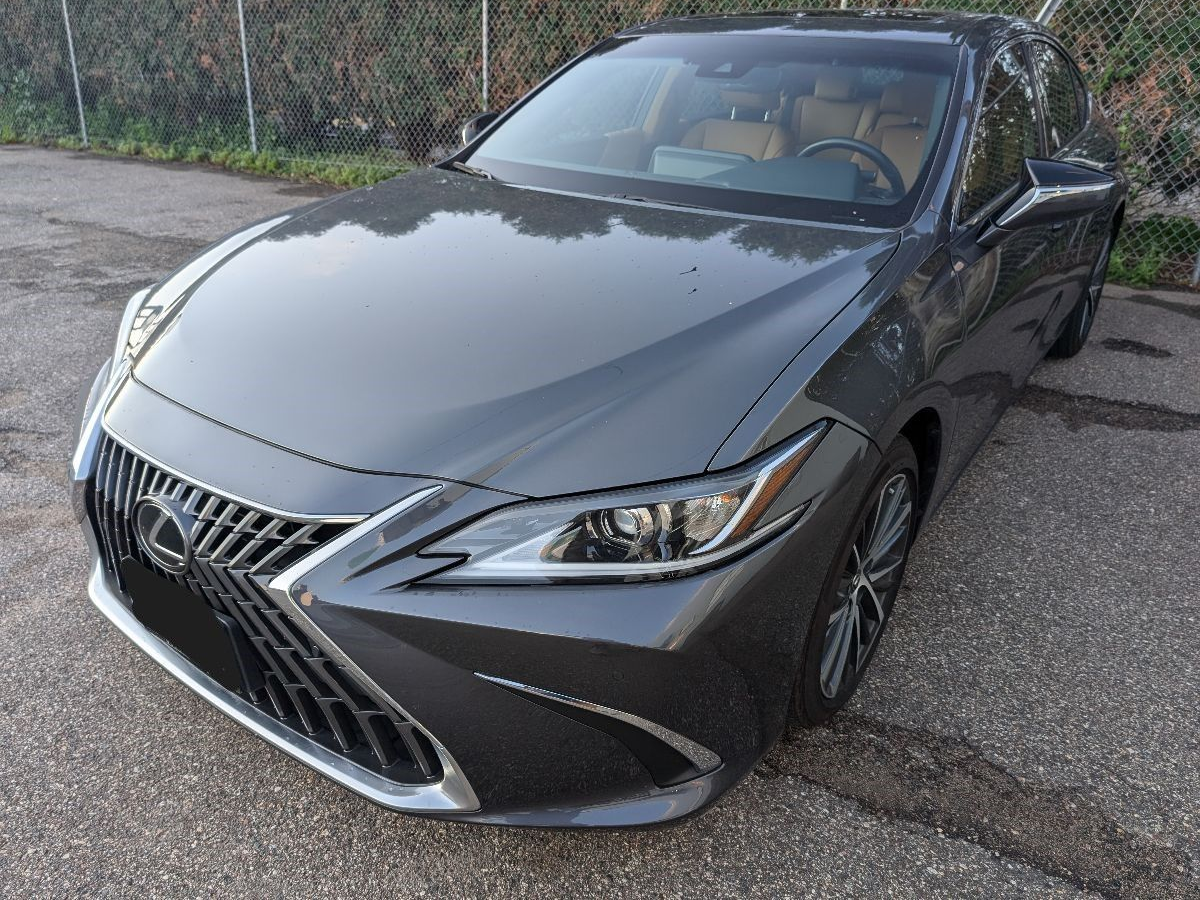
Have you ever pressed the gas pedal and felt like your car just isn’t responding the way it should? That sluggish or “heavy” feeling isn’t just frustrating—it’s a sign that your vehicle may need attention. While it’s easy to blame yourself or chalk it up to a bad day, the issue usually points to underlying problems that can affect performance, fuel efficiency, and even safety.
At Autopia Bloomington, we help drivers identify the causes of heavy acceleration and resolve them before they turn into costly repairs. Understanding why your car feels sluggish can save time, money, and unnecessary stress on the road.
Fuel System Factors
One of the most common reasons a car feels heavy on the gas pedal is a clogged or inefficient fuel system. Fuel filters, injectors, and pumps work together to deliver the right amount of fuel to your engine. If these components are dirty or failing, the engine doesn’t get enough fuel, causing hesitation and reduced power.
For example, a partially clogged fuel injector may only spray fuel intermittently, leading to uneven acceleration. At Autopia Bloomington, our technicians can inspect, clean, or replace fuel system components to restore smooth performance.
Airflow and Intake Issues
Your engine needs the right mix of air and fuel to operate efficiently. A restricted air filter, malfunctioning mass airflow sensor, or vacuum leak can upset this balance, making your car feel heavy or slow when accelerating.
Even small blockages can reduce airflow, forcing your engine to work harder than it should. Professional inspections catch these issues early and ensure your intake system is clean, unrestricted, and working at peak efficiency.
Transmission Troubles
The transmission is another frequent culprit behind sluggish acceleration. Low fluid levels, worn clutches, or slipping gears can prevent your car from delivering power to the wheels properly.
You might notice the problem more on hills or during heavy load driving. At Autopia Bloomington, we can test your transmission, top off fluids, and check for wear, helping your car respond instantly when you press the pedal.
Tire and Wheel Considerations
It may sound simple, but poorly maintained tires or misaligned wheels can make acceleration feel heavier than it really is. Underinflated tires increase rolling resistance, and misaligned wheels force your engine to overcome extra drag.
Regular tire rotations, pressure checks, and alignments are easy ways to improve responsiveness and make your car feel lighter under your foot. Our team ensures your wheels and tires are optimized for both safety and performance.
Other Hidden Causes
A sluggish pedal may also stem from:
- Engine Sensors: Malfunctioning throttle position or oxygen sensors can confuse your engine, reducing responsiveness.
- Exhaust Blockages: A clogged catalytic converter restricts airflow, causing noticeable hesitation.
- Brake Drag: Sticking calipers or worn pads can create resistance, making it harder to accelerate smoothly.
Many of these issues are invisible without professional diagnostics, which is why routine checkups at Autopia Bloomington are crucial.
Practical Tips for Drivers
Even if your car isn’t acting up yet, you can prevent sluggish acceleration by:
- Keeping up with regular inspections and tune-ups.
- Replacing air and fuel filters on schedule.
- Checking tire pressure and alignment regularly.
- Addressing unusual sounds or smells immediately.
Drive Confidently With Expert Care
Acceleration issues aren’t just an inconvenience—they can indicate problems that affect your safety and your vehicle’s longevity. Whether it’s your fuel system, transmission, or tires, taking action early ensures smooth, responsive performance every time you hit the gas.
At Autopia Bloomington, our experienced technicians uncover hidden issues and provide thorough solutions that keep your car performing like new. Don’t wait for sluggishness to turn into a breakdown—schedule a professional inspection today and feel the difference on every drive.