

Blog #194: How Heat and Cold Affect Your Car’s Performance Over Time
Blog #194: How Heat and Cold Affect Your Car’s Performance Over Time
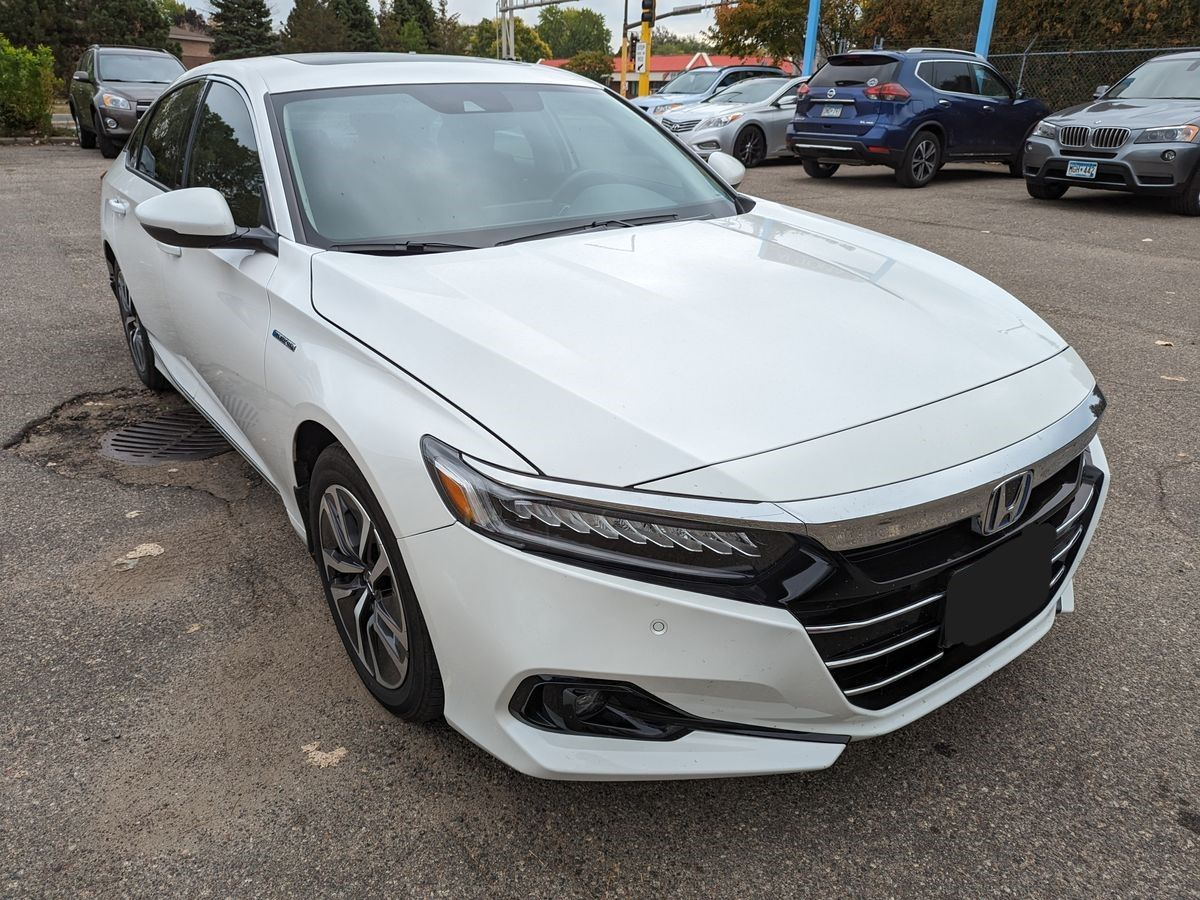

Vehicles are designed to operate across a wide range of temperatures, but extreme heat and cold take a subtle toll on performance, efficiency, and longevity. At Autopia Bloomington, we see the long-term effects of seasonal stress on engines, suspension, tires, and other critical systems. Even when a car seems to handle daily driving perfectly, repeated exposure to temperature extremes can accelerate wear in ways drivers often overlook. Understanding how heat and cold affect your vehicle—and addressing potential issues through professional inspections—can prevent costly repairs and maintain reliable performance.
High Temperatures Increase Engine and Fluid Stress
During hot Bloomington summers, engines operate under increased thermal stress. High heat causes engine oil to thin, reducing its ability to lubricate components effectively. Coolant systems are under greater pressure to prevent overheating, and belts, hoses, and gaskets are more prone to failure. Even tires experience higher wear and reduced pressure in hot weather, affecting traction and efficiency. Over time, consistent heat exposure can accelerate the aging of these components, reducing overall vehicle lifespan.
Cold Weather Creates Subtle Mechanical Strain
Winter temperatures introduce a different set of challenges. Engine oil thickens, making startup harder and increasing wear on moving parts. Batteries lose capacity, reducing starting reliability. Rubber components, including bushings, seals, and tires, become stiffer and more prone to cracking. Suspension and steering components are also stressed by the freeze-thaw cycle on Bloomington roads, which can exacerbate alignment issues and uneven tire wear. These effects are cumulative, gradually impacting performance and safety.
Tires and Traction Are Affected Year-Round
Temperature extremes influence tire performance more than most drivers realize. Heat softens rubber, increasing the risk of blowouts and uneven wear, while cold hardens it, reducing traction and fuel efficiency. Proper tire maintenance—checking pressure, tread depth, and alignment—is essential to minimize temperature-related wear and maintain optimal handling. Tires that appear fine visually may still be losing efficiency and lifespan due to seasonal stress.
Fluids and Cooling Systems Are Key to Longevity
Engines, transmissions, and power steering systems rely on fluids that function optimally within certain temperature ranges. Extreme heat can accelerate fluid breakdown, while extreme cold can reduce circulation efficiency. Over time, these stresses compromise component function and increase the risk of failure. Professional inspections include checking fluid condition, levels, and system performance to ensure your vehicle adapts effectively to seasonal extremes.
Subtle Effects on Suspension and Brakes
Suspension components, bushings, and brake systems are also affected by temperature cycles. Heat can dry out lubricants and seals, while cold makes rubber components brittle. Repeated exposure to both extremes increases wear on shocks, struts, and brake lines, which may reduce handling precision and braking performance. Drivers may not notice these gradual changes until performance is noticeably diminished, which is why proactive inspections are essential.
Driving Habits Amplify Temperature Stress
How you drive can intensify the effects of heat and cold. Hard acceleration, frequent short trips, or carrying heavy loads in extreme temperatures increases stress on engines, brakes, and suspensions. Even when your car appears fine, these habits combined with seasonal extremes can accelerate wear. Professional guidance and inspection help identify these subtle issues and recommend adjustments or maintenance strategies to protect vehicle longevity.
Why Professional Vehicle Inspections Matter
Many of the effects of temperature stress are hidden or gradual. At Autopia Bloomington, our professional vehicle inspections evaluate how heat and cold impact your engine, suspension, brakes, tires, and fluids. By catching early signs of wear or stress, we help Bloomington drivers prevent breakdowns, maintain optimal performance, and extend the life of their vehicles. Our preventative-focused approach ensures your car handles both summer heat and winter cold safely and efficiently.
Protect Performance and Longevity Year-Round
Temperature extremes are an unavoidable part of driving, but their long-term impact doesn’t have to shorten your vehicle’s life. Through professional inspections, preventative maintenance, and awareness of seasonal stress, drivers can maintain reliable performance, protect critical components, and reduce costly repairs.
At Autopia Bloomington, we combine detailed inspections, local expertise, and preventative-focused service to help Bloomington drivers navigate seasonal challenges. By understanding how heat and cold affect your vehicle, you can drive with confidence year-round, knowing that your car remains safe, efficient, and reliable.