

Blog #208: The Most Overlooked Car Problems That Lead to Unexpected Expenses
Blog #208: The Most Overlooked Car Problems That Lead to Unexpected Expenses
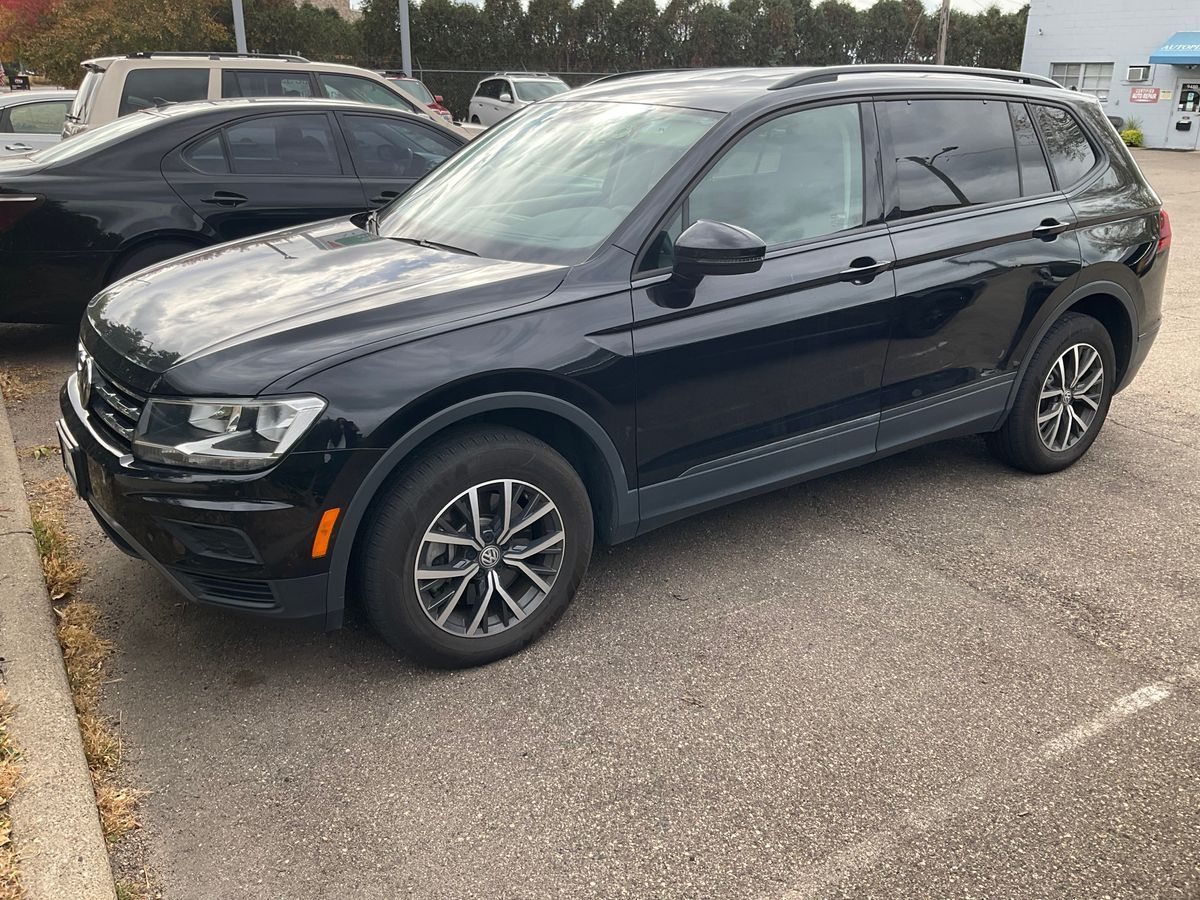
Most expensive car repairs don’t start with something dramatic. There’s no sudden breakdown, no loud bang, no obvious failure. Instead, they begin quietly—small changes in how your car feels, sounds, or responds. At Autopia Bloomington, we often meet drivers who are caught off guard by repair costs, not because the problem appeared suddenly, but because it was
gradually building in the background.
The truth is, the most costly issues are often the ones drivers don’t recognize early. And by the time they become noticeable, the damage has already spread.
When Small Changes Stop Feeling Important
A slight delay when accelerating. A faint vibration at certain speeds. A noise that only happens when turning into a parking lot. These are the kinds of things most drivers ignore because the car still “works.”
But vehicles don’t lose performance all at once—they adapt. Systems compensate for each other. A weak component doesn’t fail immediately; it shifts the load to another part. That’s how small, overlooked problems quietly grow into expensive repairs.
The Chain Reaction Most Drivers Never See
Cars are not a collection of separate parts—they’re systems that rely on balance. When one part starts to wear, it affects others in ways that aren’t obvious at first.
For example, a slightly worn suspension component can change how your tires contact the road. That uneven contact leads to irregular tire wear, which then affects alignment. Misalignment increases resistance, which puts more strain on the engine and reduces fuel efficiency.
What started as a minor suspension issue now affects multiple systems—and the cost multiplies. This kind of chain reaction is one of the biggest reasons unexpected expenses happen.
Heat, Friction, And The Cost Of Waiting
Many overlooked problems come down to two forces: heat and friction. When components aren’t functioning properly, they generate more of both.
A small fluid issue can reduce lubrication. Slight misalignment increases resistance. Minor brake drag creates excess heat. None of these seem urgent on their own, but together they accelerate wear across the vehicle.
Drivers often wait because the car still feels “good enough.” But internally, components are working harder than they should. And that extra stress shortens their lifespan—sometimes dramatically.
Why Modern Cars Make Problems Easier To Miss
Today’s vehicles are designed to be smoother, quieter, and more refined than ever. That’s great for comfort, but it also means problems are easier to overlook.
Improved insulation hides noises. Advanced electronics compensate for inefficiencies. Sensors adjust performance to maintain drivability even when something isn’t quite right.
The result is a car that feels normal—even when it isn’t. By the time a warning light appears or performance drops noticeably, the issue has often progressed much further than drivers realize.
Driving Habits That Quietly Increase Costs
Everyday driving plays a bigger role than most people think. Short trips, frequent stops, rough roads, and inconsistent maintenance habits all contribute to faster wear.
In Bloomington, changing seasons add another layer. Temperature swings affect fluid performance, tire pressure, and battery efficiency. Road conditions introduce repeated minor impacts that stress suspension and alignment.
These aren’t extreme conditions—but over time, they compound. And when small issues are already present, they accelerate the path to larger, more expensive problems.
The Difference A Professional Inspection Makes
The challenge with overlooked problems is that they don’t always feel urgent. That’s why a
professional vehicle inspection matters. It reveals what drivers can’t see or feel yet.
At
Autopia Bloomington, we don’t just look for what’s broken—we look for what’s
starting to wear. That includes early signs of imbalance between systems, subtle performance changes, and hidden stress points that can lead to bigger issues.
Catching these early doesn’t just prevent breakdowns—it prevents the chain reactions that drive up repair costs. It keeps your vehicle operating efficiently, safely, and predictably.
Spending Less Starts With Seeing More
Unexpected expenses rarely come from nowhere. They come from things that were easy to overlook at the time.
Paying attention to small changes—and taking them seriously—can make a significant difference. So can regular inspections that focus on how systems interact, not just individual parts.
At
Autopia Bloomington, we help Bloomington drivers stay ahead of problems with a preventative, detail-focused approach to
Bloomington car maintenance. By identifying overlooked issues early, we help you avoid unnecessary costs, protect your vehicle’s performance, and reduce the risk of sudden repairs.
Because when it comes to your car, what you don’t notice is often what costs you the most.