Blog #209: Ford Fusion Overheating Clues Most Drivers Miss Until It’s Too Late
Blog #209: Ford Fusion Overheating Clues Most Drivers Miss Until It’s Too Late
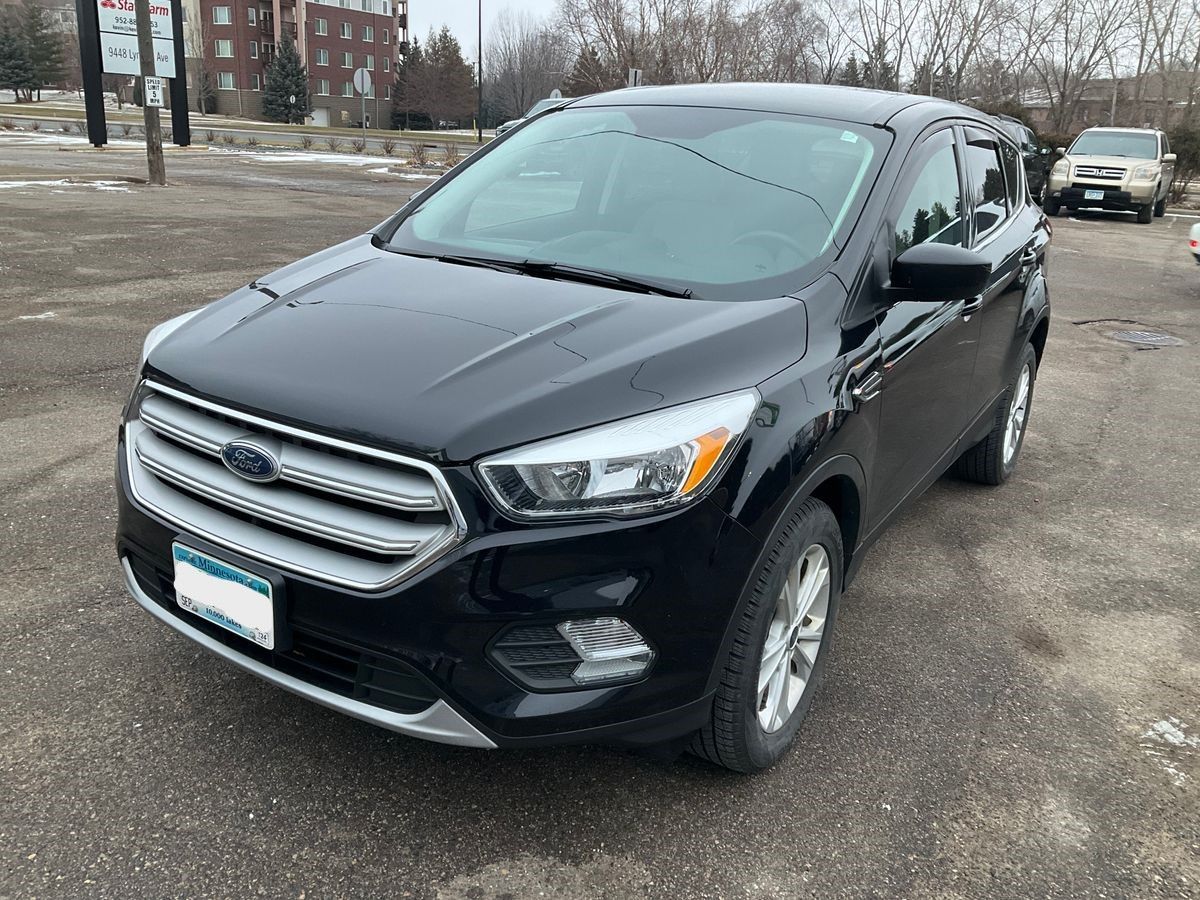
It rarely starts with steam pouring out from under the hood. Most Ford Fusion overheating problems begin quietly, with small changes that are easy to dismiss. A slightly higher temperature reading, a faint smell, or the fan running longer than usual can all seem harmless in the moment.
At Autopia Bloomington, we often see drivers surprised by overheating issues that didn’t feel urgent—until they suddenly were. The reality is that overheating is usually the result of gradual system imbalance, not a single failure. And the earlier you recognize the clues, the easier it is to prevent serious engine damage.
When The Temperature Gauge Stops Being Consistent
Many drivers only react when the temperature gauge spikes into the red. But long before that happens, the gauge often becomes inconsistent. You might notice it rising slightly in traffic, then dropping once you start moving again.
This kind of fluctuation is not random. It usually points to reduced coolant efficiency, airflow issues, or early signs of thermostat irregularity. The system is still functioning, but it’s no longer stable—and that instability is often the first sign of stress.
The Cooling Fan Tells A Story
Your Ford Fusion’s cooling fan is designed to regulate temperature when airflow is limited, especially during idle or slow driving. If you begin to notice the fan running more often or staying on longer than usual, it’s not just doing its job—it’s compensating.
A constantly active fan can indicate that the engine is struggling to maintain normal temperature. Drivers often ignore this because the car doesn’t feel like it’s overheating, but in reality, the system is working harder than it should just to keep things stable.
Subtle Smells That Shouldn’t Be Ignored
Overheating doesn’t always show up visually. Sometimes, it shows up as a faint smell. A slightly sweet odor may indicate a small coolant leak, while a light burning smell could mean fluid is contacting hot engine components.
These smells are easy to dismiss, especially if they don’t happen consistently. But they are often early indicators that something in the cooling system is no longer sealed or functioning properly. Left unchecked, small leaks can quickly escalate into major overheating issues.
Performance Changes That Don’t Seem Related
One of the most overlooked overheating clues is a change in how the car drives. You may notice reduced acceleration, a sluggish feel during longer drives, or the engine working harder than usual.
These changes don’t immediately suggest overheating, but they often relate to rising engine temperatures. As heat increases, efficiency drops, and the engine adjusts to protect itself—sometimes without triggering any warning lights.
Why Overheating Rarely Happens All At Once
Engines are designed with safeguards to prevent immediate failure. That’s why overheating tends to build gradually. The cooling system compensates for small issues like low coolant, partial blockages, or minor leaks—until it can’t anymore.
By the time steam appears or a warning light turns on, the system has usually been under strain for a while. This is why many drivers feel like overheating came out of nowhere, when in reality, the warning signs were there early on.
The Role Of Professional Inspection
Catching overheating early requires more than a quick look under the hood. At Autopia Bloomington, our professional vehicle inspections evaluate the entire cooling system, including coolant condition, radiator performance, thermostat behavior, and system pressure.
We focus on identifying early imbalance before it turns into failure. This preventative approach helps reduce repair costs, protect engine components, and keep your Ford Fusion running reliably.
Don’t Wait For The Obvious
Overheating is one of the fastest ways to cause serious engine damage, but it’s also one of the most preventable. The key is recognizing that small changes are not random—they’re signals that something needs attention.
At Autopia Bloomington, we help Bloomington drivers stay ahead with a preventative approach to Bloomington auto repair and Bloomington car maintenance. By catching subtle issues early, we help you avoid major repairs and keep your vehicle performing at its best.