

Blog #211: Dodge Charger Electrical Glitches That Signal Bigger Problems Beneath the Surface
Blog #211: Dodge Charger Electrical Glitches That Signal Bigger
Problems Beneath the Surface
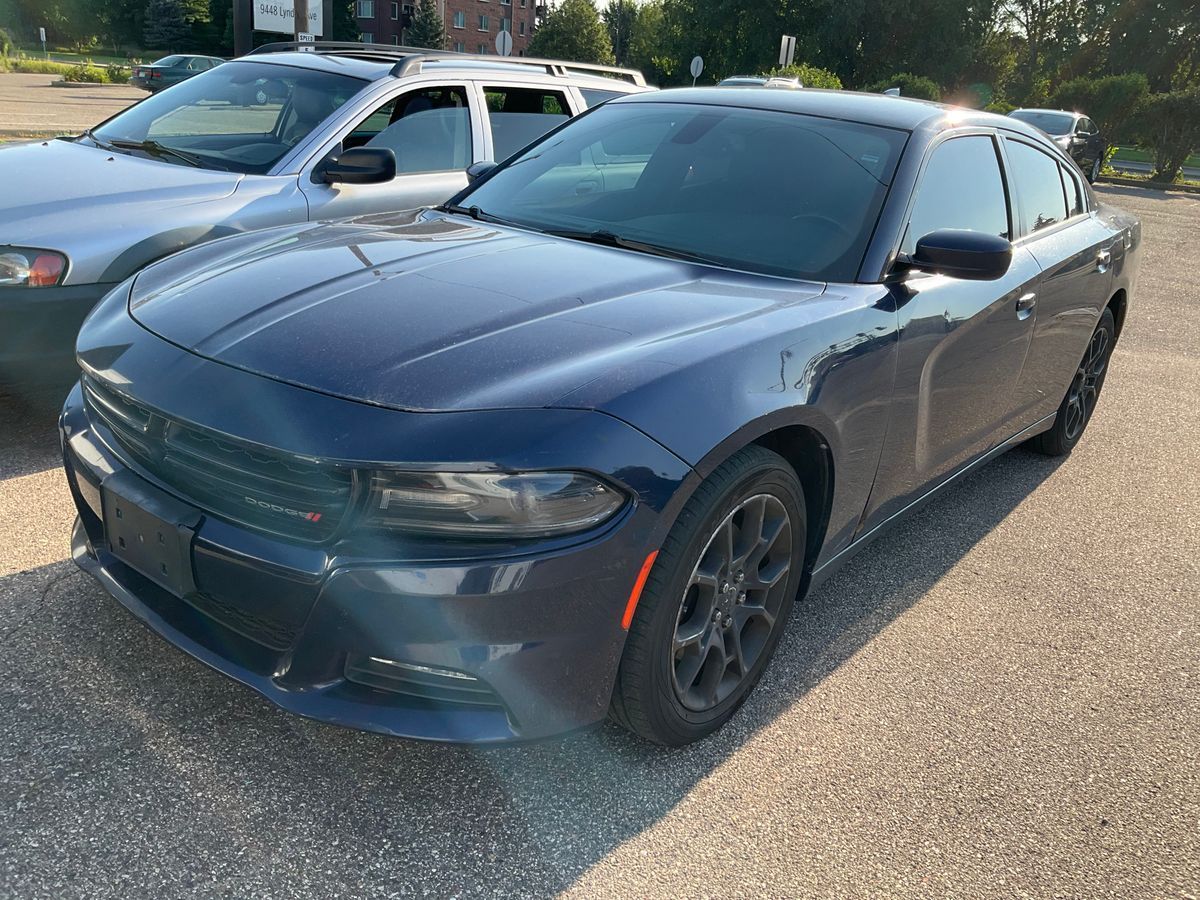
Your Dodge Charger is built for performance, precision, and responsiveness. But when electrical issues begin to appear, they rarely show up as major failures right away. Instead, they start small—almost easy to ignore. A flickering light, a delayed response from your dashboard, or a brief glitch in your infotainment system may not seem urgent.
At Autopia Bloomington, we often see Charger owners dismiss these minor electrical quirks, assuming they’re harmless. The reality is that these small glitches are often early warnings of deeper system imbalances. What looks like a minor inconvenience can be the first sign of a larger issue developing behind the scenes.
When Small Glitches Start to Repeat
A one-time electrical hiccup might not mean much. But when small issues begin to repeat, it’s no longer random. Maybe your dashboard lights flicker occasionally, or your power windows hesitate before responding.
These patterns matter. Electrical systems rely on consistent voltage and stable connections. Repeated glitches often point to irregular power flow, weakening components, or early signs of connection failure. Ignoring these patterns allows the underlying issue to grow.
Voltage Instability Affects More Than You Think
Your vehicle’s electrical system is designed to maintain a steady voltage across multiple components at once. When that balance is disrupted—even slightly—it can affect everything from engine performance to safety systems.
A weak battery, failing alternator, or poor grounding connection can cause voltage fluctuations. These fluctuations may show up as dim lights or intermittent errors, but they also stress sensitive electronics. Over time, this can lead to component failure in systems that rely on stable power.
Sensors Begin to Miscommunicate
Modern Dodge Chargers rely heavily on sensors to regulate performance, fuel delivery, and safety features. These sensors communicate constantly with the vehicle’s control modules.
When electrical inconsistencies occur, that communication can become unreliable. A sensor might send delayed or incorrect data, leading to subtle performance changes. You may notice hesitation, uneven acceleration, or inconsistent system responses—without any clear warning light.
Intermittent Problems Are the Most Dangerous
One of the most frustrating aspects of electrical issues is their inconsistency. A problem may appear one day and disappear the next. This often leads drivers to assume it’s not serious.
In reality, intermittent issues are some of the most important to investigate. They usually indicate loose connections, early component failure, or wiring issues that haven’t fully developed yet. Waiting until the problem becomes constant often means the damage has already spread.
Heat and Vibration Accelerate Electrical Wear
Electrical systems don’t operate in isolation. They are constantly exposed to engine heat, road vibration, and environmental conditions. Over time, these factors wear down wiring insulation, loosen connections, and weaken electrical components.
In Bloomington, seasonal temperature changes can make this worse. Heat expands materials, while cold causes contraction. This repeated cycle can slowly degrade connections, making electrical glitches more frequent and more severe over time.
When Electronics Begin to Affect Performance
Many drivers think of electrical issues as separate from performance, but in modern vehicles, they are closely connected. Electrical instability can affect ignition timing, fuel delivery, and transmission behavior.
What starts as a flickering light or delayed response can eventually influence how your Charger accelerates, shifts, or handles. These changes are often subtle at first, making them easy to overlook—but they signal that the system is no longer operating as intended.
Why Professional Diagnostics Matter
Electrical issues are not always visible. They require precise testing and a deeper understanding of how systems interact. At Autopia Bloomington, our
professional vehicle inspections include advanced diagnostics to identify irregular voltage patterns, sensor communication issues, and hidden wiring concerns.
We focus on finding the root cause, not just the symptom. Addressing electrical problems early helps prevent damage to other systems, reduces repair costs, and ensures your vehicle remains reliable.
Don’t Ignore What Feels Minor
Electrical glitches may seem like small inconveniences, but they are often early warnings. The longer they’re ignored, the more likely they are to affect multiple systems within your vehicle.
At Autopia Bloomington, we take a preventative approach to Bloomington auto repair and Bloomington car maintenance. By identifying electrical issues early, we help drivers avoid unexpected breakdowns and maintain the performance their Dodge Charger was built to deliver.
Because when it comes to modern vehicles, even the smallest electrical signal can point to something much bigger.