

Blog #210: How Tire Misalignment Quietly Reduces Chevrolet Traverse Performance Over Time
Blog #210: How Tire Misalignment Quietly Reduces
Chevrolet Traverse Performance Over Time
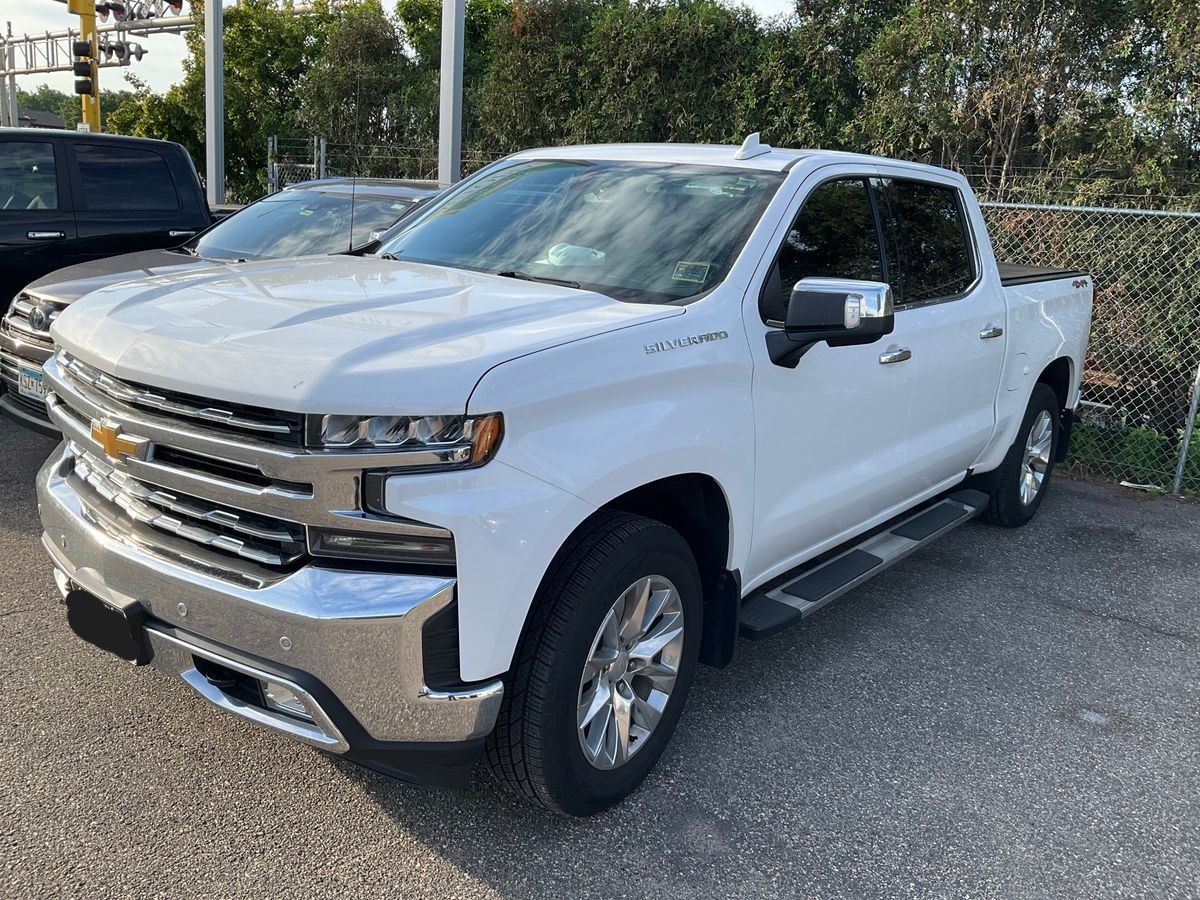
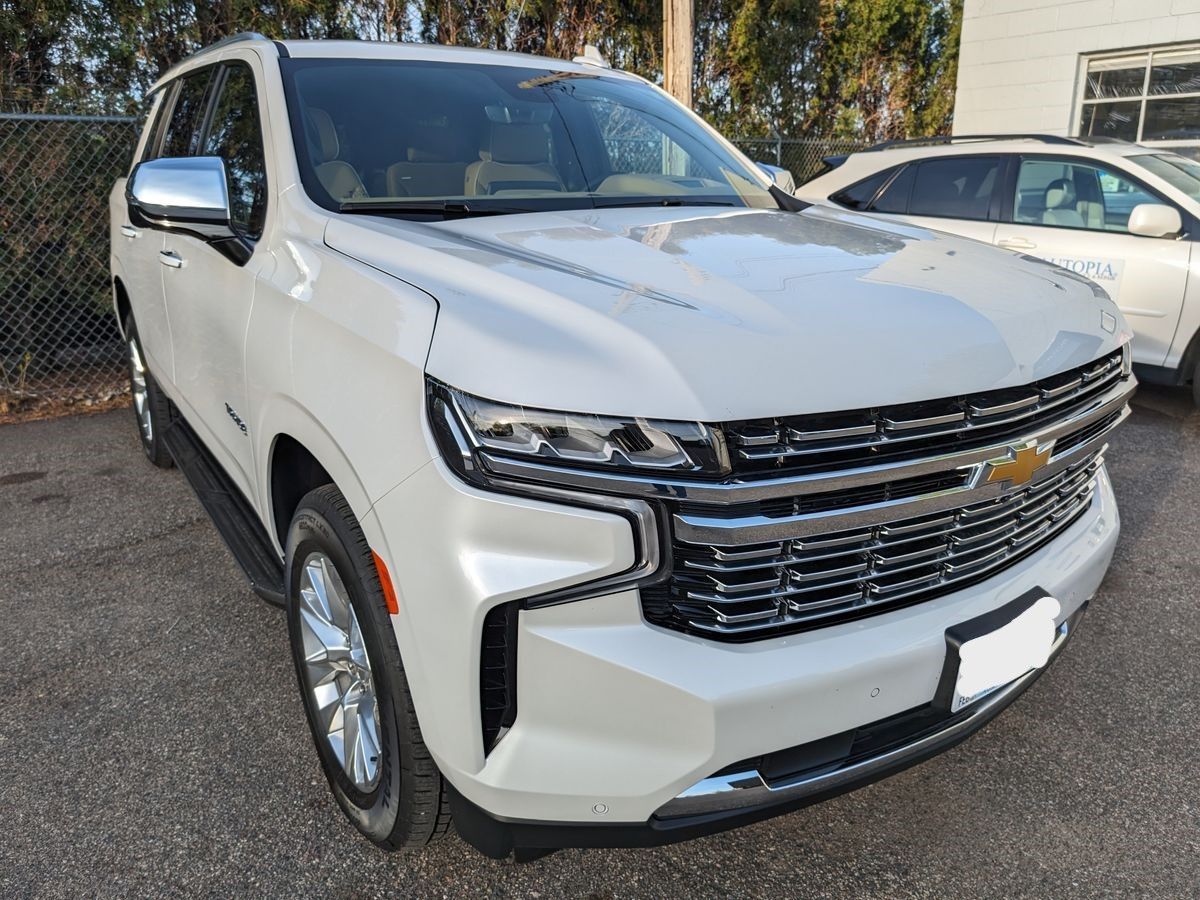
Your Chevrolet Traverse is built to deliver a smooth, stable ride, whether you’re navigating Bloomington streets or heading out on longer drives. But performance doesn’t always decline in obvious ways. Sometimes, it fades gradually. Tire misalignment is one of the most overlooked causes of this slow change.
At Autopia Bloomington, we often see Traverse drivers come in with concerns about handling or fuel efficiency, only to discover that misalignment has been affecting the vehicle for quite some time. The challenge is that misalignment rarely feels urgent—it simply becomes part of how the car “normally” drives.
When Straight Doesn’t Feel Straight Anymore
At first, misalignment doesn’t dramatically change how your Traverse behaves. Instead, it shows up in small ways. The steering wheel might not sit perfectly centered, or the vehicle may drift slightly on a straight road.
Most drivers correct this without thinking. A small steering adjustment becomes routine, and over time, it feels normal. But this constant correction means the tires are no longer working in balance. That imbalance is where performance begins to decline.
Tire Contact Changes Everything
Your tires are the only part of your vehicle that touches the road. When they are properly aligned, they maintain even contact, distributing weight and friction evenly.
When misaligned, that contact becomes uneven. One edge of the tire may carry more load than the other, reducing traction and stability. This not only affects handling but also forces the vehicle to work harder to maintain control, especially during turns or sudden stops.
The Slow Effect on Fuel Efficiency
Many drivers don’t connect tire alignment with fuel economy, but the relationship is direct. Misaligned tires create rolling resistance, meaning your engine has to use more energy to move the vehicle forward.
This doesn’t cause a dramatic drop overnight. Instead, fuel efficiency slowly declines. You might find yourself filling up more often without changing your driving habits. Over time, that added fuel cost becomes significant.
Suspension Stress Builds Over Time
Misalignment doesn’t stay isolated to the tires. It places uneven stress on suspension components, including control arms, bushings, and joints. These parts are designed to operate under balanced conditions.
When that balance is lost, components wear faster. You may start to notice minor noises, a slightly rougher ride, or reduced stability. Left uncorrected, this can lead to more extensive suspension repairs that go far beyond a simple alignment adjustment.
Steering Response Becomes Less Predictable
One of the more subtle effects of misalignment is how it changes steering feel. The Traverse may feel less responsive or slightly delayed when turning.
This happens because the tires are no longer aligned with the direction of travel. The steering system has to compensate, which reduces precision. In everyday driving, this might feel like a minor inconvenience. But in situations that require quick reactions, it can affect control and safety.
Why Drivers Often Miss The Signs
Misalignment develops gradually, often after hitting potholes, curbs, or driving on uneven roads. Bloomington’s seasonal changes and road conditions can accelerate this process.
Because the changes are slow, drivers adapt without realizing it. The vehicle doesn’t suddenly feel “broken.” Instead, it feels slightly different—until that difference becomes noticeable enough to cause concern.
The Value Of Professional Alignment Checks
At Autopia Bloomington, our professional vehicle inspections include precise alignment evaluations. We measure how each wheel is positioned and how it interacts with the rest of the vehicle.
Correcting alignment early restores balance across the tires, suspension, and steering systems. It improves handling, protects components from unnecessary wear, and helps maintain fuel efficiency.
Keeping Your Traverse Performing At Its Best
Tire misalignment may seem minor, but its impact reaches far beyond the tires themselves. It affects how your vehicle handles, how efficiently it runs, and how long its components last.
At
Autopia Bloomington, we take a preventative approach to Bloomington auto repair and Bloomington car maintenance. By identifying alignment issues early, we help drivers avoid unnecessary expenses and maintain the smooth, reliable performance their Chevrolet Traverse was built to deliver.
Because when your vehicle is properly aligned, everything works the way it should—quietly, efficiently, and without compromise.