

Blog #91: Kia Drivers – The Key to Doubling Your Car’s Lifespan Without Guesswork
Blog #91: Kia Drivers – The Key to Doubling Your Car’s Lifespan Without Guesswork

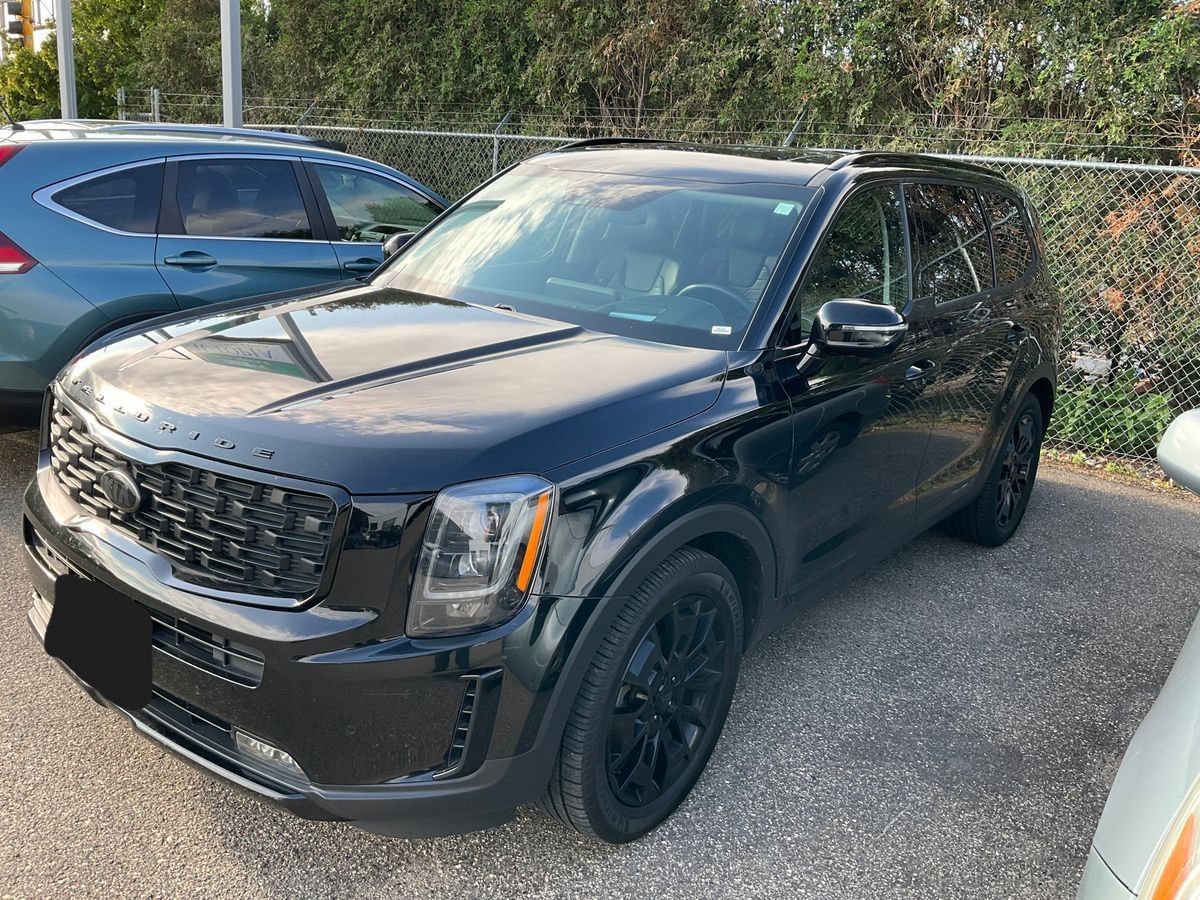
At Autopia Bloomington, we know your Kia is more than just a ride—it’s your everyday partner, your reliable commute, and sometimes even your weekend getaway. The good news? With smart maintenance and expert care, you can dramatically extend your Kia’s lifespan—no guesswork required.
Discover how small, strategic services can add tens of thousands of miles to your Kia’s lifespan and keep it running smoothly for years to come.
The Key to Longevity: Maintenance With a Plan
Kias are well-built and dependable, but even the best cars need routine care tailored to their design. Here’s what you should prioritize:
1. Stick to Scheduled Oil & Filter Changes
Kia engines perform best with clean oil. Using the correct oil and filter—on schedule—fills 80% of the "longevity pie."
2. Never Skip Transmission Service
Fluid degradation can cause hard shifting, slipping, or gearbox damage. Servicing on the Kia-recommended intervals keeps your transmission smooth and reliable.
3. Refresh Cooling System Fluids & Hoses
Over time, coolant breaks down and hoses weaken. Proactive flushing and inspections prevent overheating and engine damage, especially in Minnesota winters.
4. Rotate Tires & Maintain Alignment Regularly
Even wear ensures better fuel efficiency and reduces the risk of blowouts. Rotate your tires every 6,000–8,000 miles, and get alignments to prevent early wear.
5. Brake Inspections Keep You Safe
Brake pads, rotors, and fluid demand attention before they pose a risk. Regular checkups maintain stopping power and reduce long‑term wear.
6. Monitor Battery & Electrical System
A healthy battery, clean terminals, and a functioning charging system ensure reliability—especially when temperatures drop below zero.
7. Filter & Cabin Air Maintenance
Fresh air filters keep your engine clean—and your cabin fresh. Replacing these regularly helps your Kia breathe freely and keeps your A/C and heating systems efficient.
Why Autopia Bloomington is the Smart Choice for Kia Care
- Scheduled Service with Precision: We follow Kia-recommended intervals to the letter, so you never miss a beat.
- OEM-Quality Fluids and Filters: We use parts designed to meet Kia’s exact specifications.
- Predictive Diagnostics: Our checkups don’t just treat symptoms—they prevent surprises.
- Comfort & Convenience: Loaner vehicles, quick turnaround, clear communication—service that fits your life.
With just a few well-timed services per year, you could add 50,000 miles or more to your Kia’s life. It’s maintenance made simple, accurate, and stress-free—no guesswork, just results.
FAQ: Getting the Most from Your Kia
Q: How often should I change my Kia’s oil?
A: Every 5,000–7,500 miles for gasoline models, and 10,000 miles for diesels or hybrids—unless otherwise specified.
Q: Does Kia require synthetic oil?
A: Many newer models do. We use the right oil for your engine, based on your Kia’s year and model.
Q: When should I have my transmission serviced?
A: Kia typically recommends transmission service every 60,000 miles. Severe driving conditions? Consider shortening that interval.
Q: Can I stay ahead of repair needs?
A: Absolutely. We use manufacturer schedules and smart diagnostics to catch little things before they become big.
Q: Do you work on all Kia models?
A: Yes—Optima, Sorento, Sportage, and even EVs like the Niro EV and EV6.
Ready to Make Your Kia Last Longer and Drive Better?
At Autopia Bloomington, we believe great maintenance leads to happier drivers. Our Kia service program is built specifically to extend the life of your vehicle and protect your peace of mind.
Schedule your Kia service appointment today — and give your car the roadmap to 200,000 miles and beyond.