

The Dodge Power Check: How to Keep Your Muscle Car Roaring Longer
The Dodge Power Check: How to Keep Your Muscle Car Roaring Longer
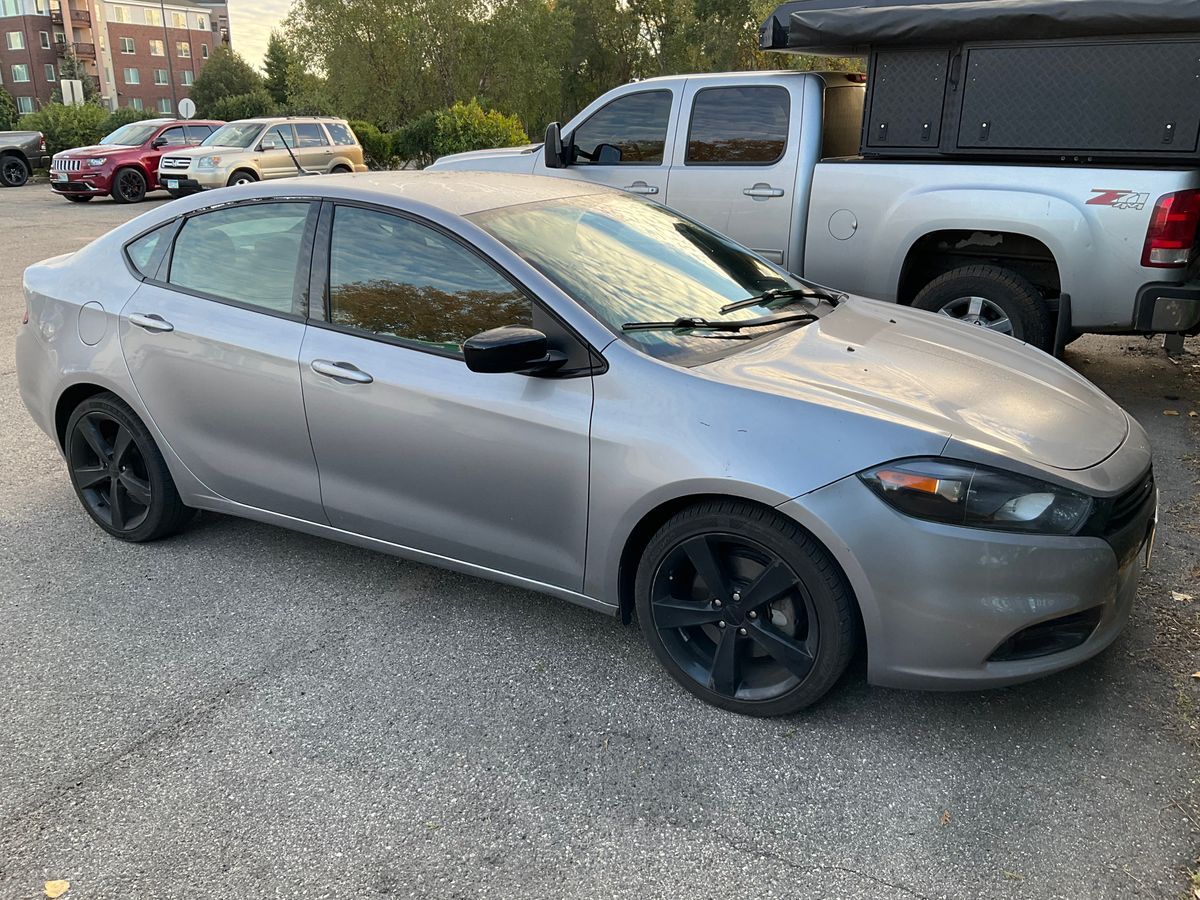
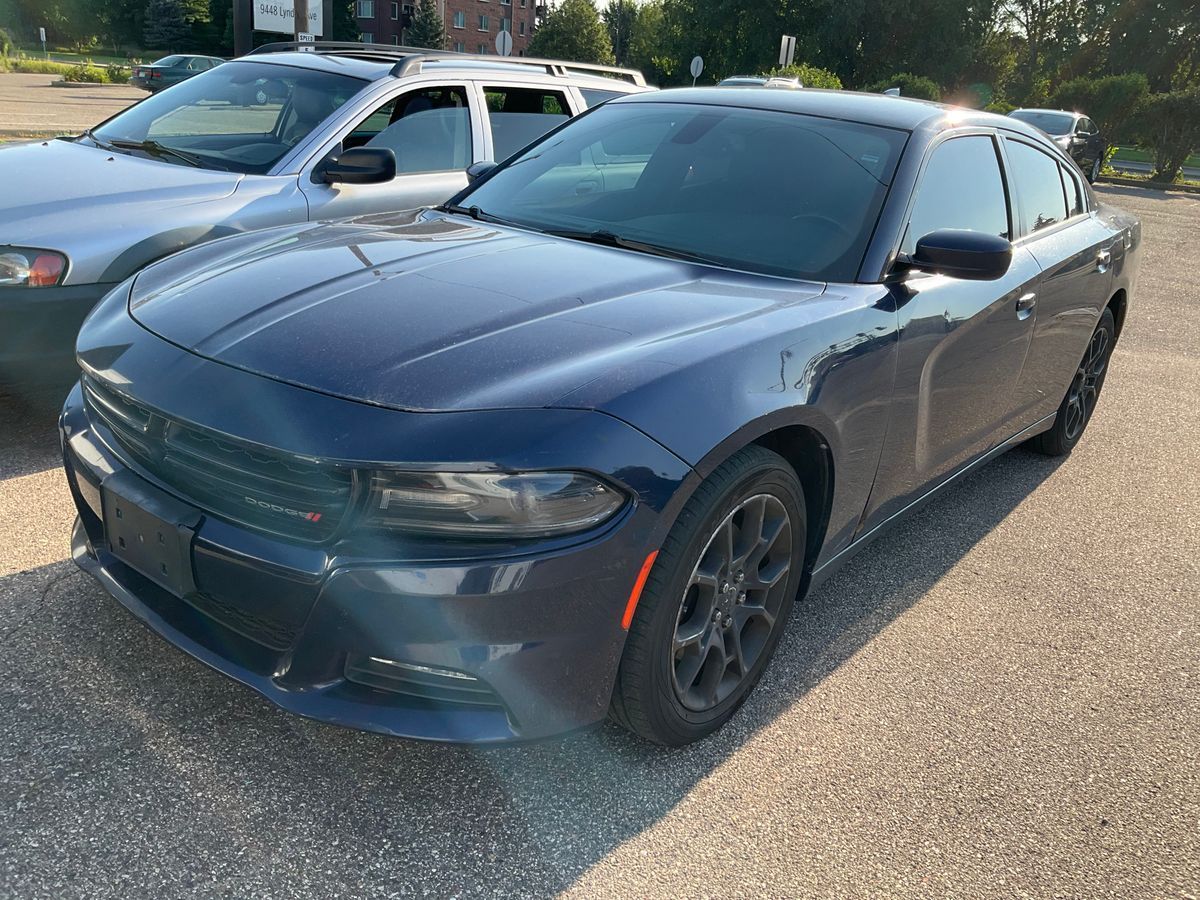
At Autopia Bloomington, we know Dodge owners don’t just drive—they dominate. Whether you pilot a Challenger Hellcat, Charger Scat Pack, or Durango SRT, your Dodge is built for power—and it deserves maintenance that’s just as bold. In this article, we’ll explore key checkpoints to ensure your muscle car stays ferocious on the road and doesn’t lose its roar over time.
Why Dodge Muscle Cars Need Extra Attention
Dodge performance models are engineered for torque, speed, and adrenaline—but all that power puts extra stress on every component. From high-revving engines to aggressive braking, even minor neglect can cause big performance setbacks. That’s why keeping your Dodge in peak condition isn’t optional—it’s essential.
6 Power-Preserving Maintenance Checks
1. Engine Oil & Filter
What to Watch For: High-performance Dodge engines run hotter and cleaner oil breaks down faster.
Check Strategy: Change to high-quality synthetic oil every 5,000–7,500 miles (or sooner under track use) to prevent sludge, protect bearings, and support horsepower.
2. Air Intake & Fuel System
What to Watch For: Dirty filters or fuel injectors can starve your big-block engine and kill throttle response.
Check Strategy: Inspect air filters and clean fuel injectors every 15,000 miles—or more often if you're in dusty conditions.
3. Transmission & Drivetrain
What to Watch For: Your dual-clutch or automatic transmission cycles quickly through gears—heat and friction build fast.
Check Strategy: Service transmiss ions and differential fluids every 30,000–50,000 miles to ensure smooth shifting and power delivery.
4. Tires & Brakes
What to Watch For: High-performance tires wear rapidly, and aggressive stops stress brake systems.
Check Strategy: Inspect for even tread wear, monitor brake pad thickness, and ensure calipers and rotors remain in top shape for safe—and powerful—stops.
5. Cooling System
What to Watch For: Powerful engines and heavy braking can overheat your Dodge if coolant systems slow down.
Check Strategy: Replace coolant every 2–3 years and inspect hoses, water pump, and radiator before spirited runs.
6. Suspension & Alignment
What to Watch For: Shimmy or wandering at high speeds can mask underlying suspension or alignment issues.
Check Strategy: Have your alignment checked every 10,000 miles, or after lowering or upgrading suspension components, to maintain handling precision.
Boost Your Dodge's Performance (Without Annoying Dealers)
Many Dodge drivers opt for dealership service—but at Autopia Bloomington, you get:
- Performance-focused technicians who understand torque monsters
- High-quality parts and fluids chosen for muscle car demands
- Transparent diagnostics—we explain exactly what your Dodge needs
- Faster, friendlier service without dealership markup
FAQs About Keeping Dodge Muscle Alive
Q: How often should I change my Dodge’s oil if I track my Challenger?
A: Every 3,000–5,000 miles, or after each event. High RPMs produce more heat and faster oil breakdown.
Q: Can I use premium pump gas, or should I upgrade fuel?
A: Always use premium 91+ octane. For frequent high performance driving, consider quality fuel additives for injector cleaning.
Q: My tires wear unevenly—is it time for an upgrade?
A: Uneven wear often indicates alignment or corner-balancing needs. We can inspect and recommend a performance tire that fits your style.
Q: How do I know if my brakes are getting overheated?
A: A fading pedal after repeated hard stops, sudden grinding sounds, or pulsing under braking—especially after track use—are all warning signs.
Q: Is dealer-only software tuning required for Dodge performance systems?
A: No—it’s widely serviceable by independent shops with proper tools. We're qualified to verify and preserve any dealer-specific tuning.
Schedule Your Dodge Power Check at Autopia Bloomington
Every mile of muscle demands care—for reliability, thrills, and resale. At Autopia Bloomington, we’re dedicated to preserving the roar in your Dodge’s heart. From oil and filter changes to full drivetrain inspections, we understand what it takes to keep your ride unforgettable.
Schedule your Dodge Power Check today and drive with the confidence and power your muscle car was born to deliver.