

Chevrolet Drivers: These 3 Dashboard Lights Should Never Be Ignored
Chevrolet Drivers: These 3 Dashboard Lights Should Never Be Ignored
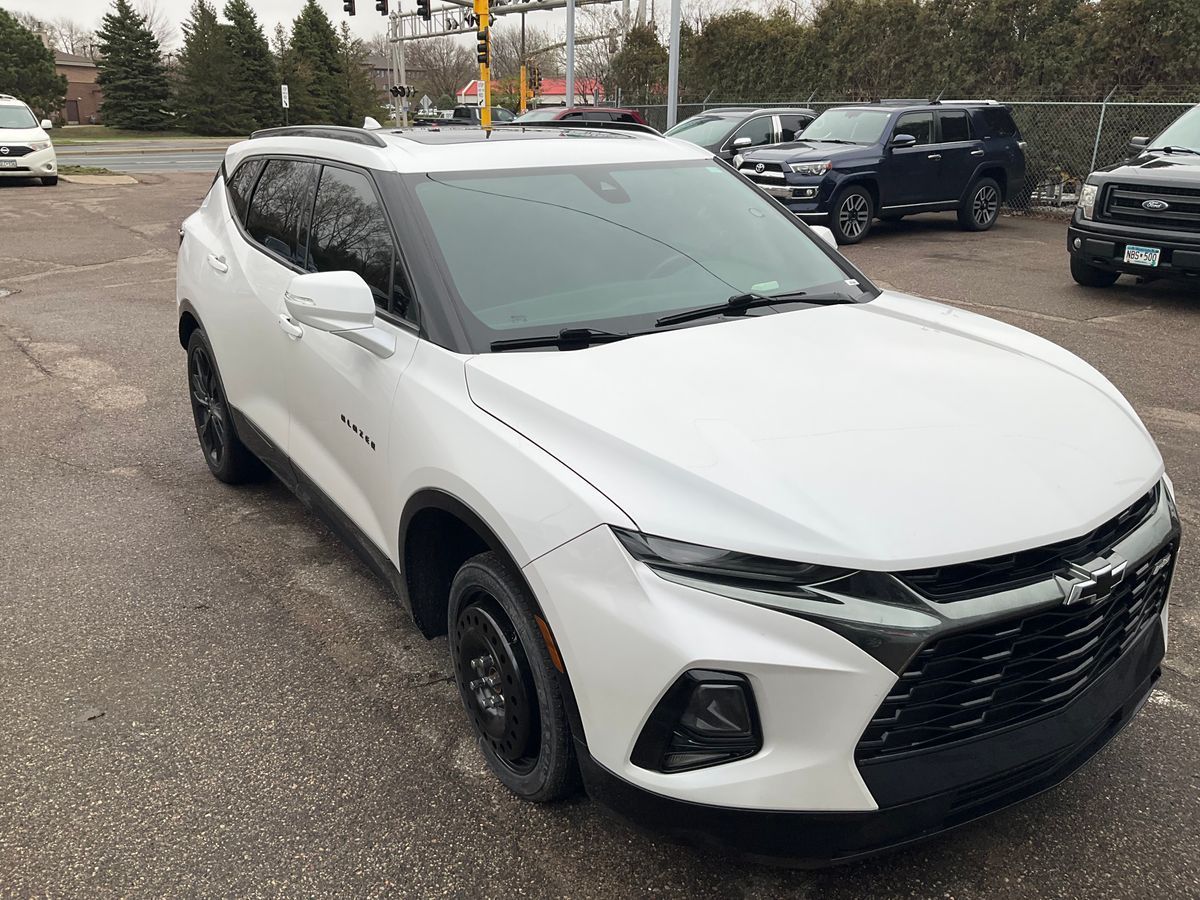
At Autopia Bloomington, we understand just how important your Chevrolet is to your daily life—whether you’re commuting, running errands, or loading up the family. That’s why recognizing the right warning lights and acting quickly can mean the difference between a minor fix and a costly breakdown.
In this blog, we’ll cover the three dashboard lights Chevy drivers should never ignore, what they mean, and why early service saves you time and money.
1. Check Engine Light (CEL)
Why It Matters:
This light signals a wide range of issues—from a loose gas cap to misfires, emissions malfunctions, and engine problems.
What Can Go Wrong:
- Fuel economy drops significantly
- Catalytic converter or O₂ sensors may fail
- Engine might run rough or stall
When to Act:
- Steady light: Schedule a diagnostic scan ASAP.
- Flashing light: Pull over safely and have your Chevy towed to service immediately.
2. Battery/Charging System Indicator
Why It Matters:
This low-voltage alert indicates your alternator isn’t charging or your battery is failing.
What Can Go Wrong:
- Reduced power to electrical systems
- Car may not restart once turned off
- Your Chevy could stall in traffic
When to Act:
Stop driving as soon as safely possible and have your charging system inspected—you don’t want to be stranded.
3. Brake System Warning Light
Why It Matters:
This light often points to low brake fluid, worn pads, or ABS issues—any of which jeopardize your stopping power.
What Can Go Wrong:
- Spongy or unresponsive brakes
- ABS may fail in slippery conditions
- More distance required to stop, increasing crash risk
When to Act:
Pull over and check your brake fluid. Book an inspection at
Autopia Bloomington as soon as possible—it’s a critical safety concern.
FAQs About Chevrolet Dashboard Warning
Q: Can I ignore the check engine light if my car still drives fine?
A: No. Even steady warning lights can signal issues that worsen over time—like emissions failures or engine damage. Early diagnosis saves you money and hassle.
Q: How long can I drive with the battery light on?
A: Very briefly. The moment you see it, your battery is no longer charging. You could coast for a mile or two, but don’t wait—get it tested right away.
Q: What triggers the brake warning light besides low brake fluid?
A: It can also indicate worn brake pads, a sticking caliper, or ABS sensor faults. All are serious and require prompt inspection.
Q: Why does the ABS light sometimes come on separately?
A: The ABS light means there's an issue with anti-lock braking—such as a faulty wheel sensor or pump. Your regular brakes still work, but you’ve lost skid-control protection.
Q: Do you service all Chevy models at Autopia Bloomington?
A: Absolutely. From Spark and Malibu to Equinox and Silverado, we have the expertise and diagnostic tools to care for your Chevrolet.
Don’t Ignore Warning Signs—Protect Your Chevy with Autopia Bloomington
Dashboard lights are your car’s way of alerting you before a minor issue becomes a major, expensive problem. At Autopia Bloomington, our technicians use advanced diagnostics to quickly identify the cause, explain what it means, and provide honest repair estimates—no guessing, no pressure.
Schedule your dashboard light diagnostic today and drive confidently knowing your Chevrolet is in expert hands.