

Honda Drivers: Are You Missing These Critical Maintenance Milestones?
Honda Drivers: Are You Missing These Critical Maintenance Milestones?
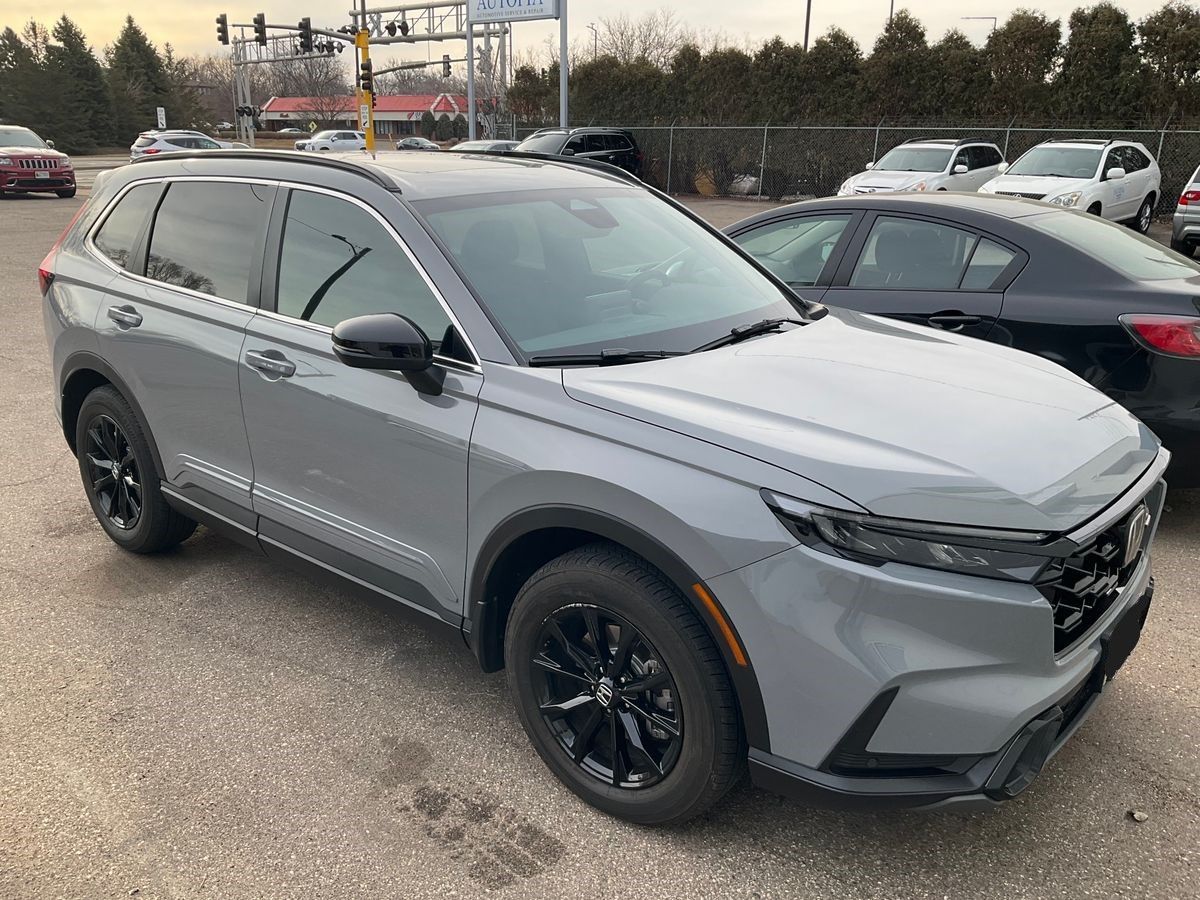
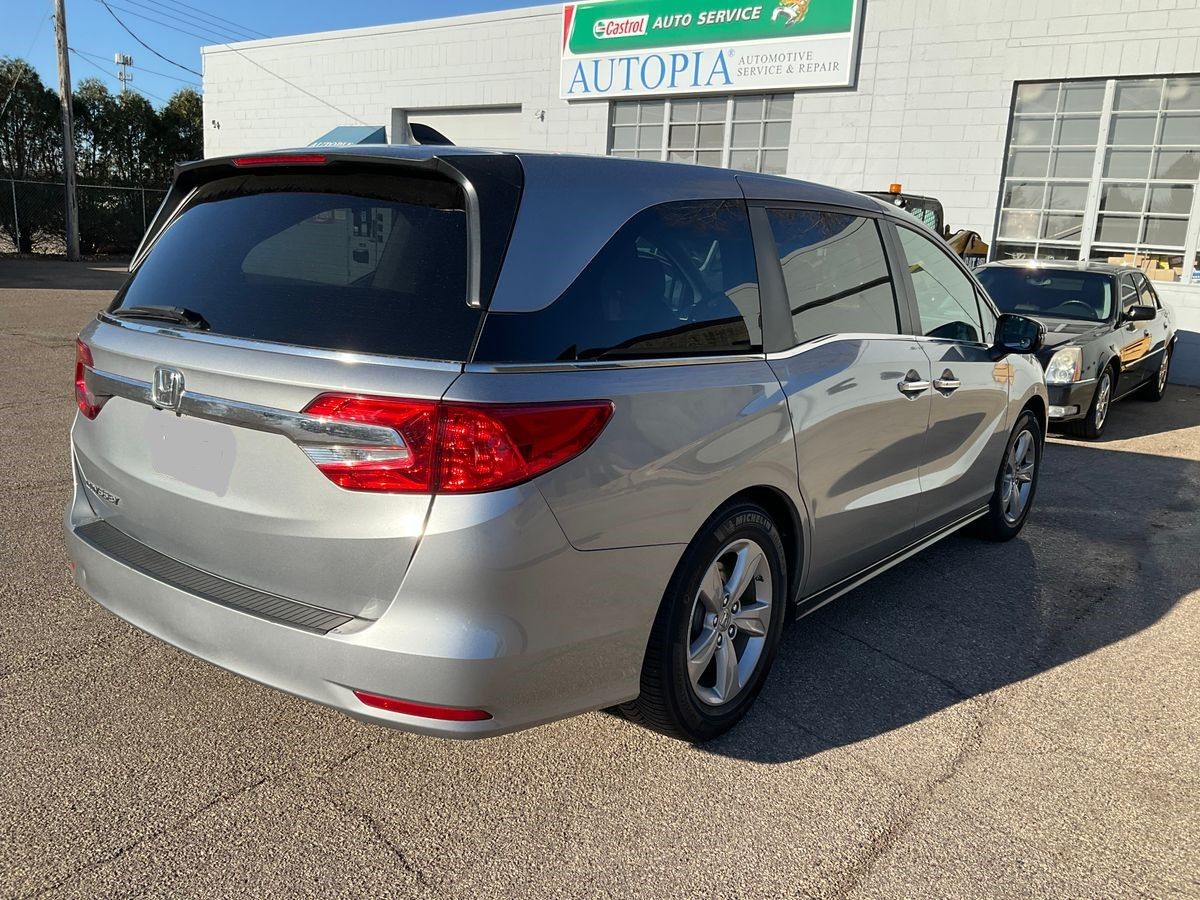
Owning a Honda means investing in a car known for its reliability, longevity, and excellent performance. Whether you drive a Civic, Accord, CR-V, or Pilot, maintaining your Honda's health with timely service is crucial to keep it running smoothly for years. But are you overlooking some of the key maintenance milestones that ensure your car stays in top shape? Let’s explore the critical services you may be missing out on and why they’re essential for maximizing the lifespan of your Honda.
Why Regular Maintenance Matters for Your Honda
Honda vehicles are built to last, but even the most durable cars need consistent care to perform at their best. Without regular maintenance, small problems can escalate into costly repairs that affect the performance, safety, and value of your vehicle. Regular service also ensures that your Honda runs efficiently, saving you money on fuel and reducing your environmental footprint. But what maintenance tasks should you prioritize? Let’s dive into the most important ones.
Critical Honda Maintenance Milestones You Can’t Afford to Skip
1. Oil Changes
Oil is the lifeblood of your engine, keeping all moving parts lubricated and running smoothly. Honda recommends changing your oil every 3,000 to 7,500 miles, depending on the model and driving conditions. Neglecting oil changes can lead to engine wear, overheating, and, eventually, costly repairs.
2. Tire Rotations and Balancing
Regular tire rotations ensure even wear and help your tires last longer. Honda recommends rotating your tires every 6,000 to 8,000 miles. Tire balancing ensures that your vehicle drives smoothly and minimizes vibration, contributing to a better driving experience.
3. Brake Inspection
Brakes are one of the most vital safety components of any vehicle. If you notice any squealing, grinding, or a decrease in braking power, it’s time for an inspection. Honda recommends having your brake system inspected every 12,000 miles to ensure optimal safety.
4. Timing Belt Replacement
The timing belt plays a key role in your Honda’s engine performance, ensuring that the crankshaft and camshaft rotate in sync. A broken timing belt can cause severe engine damage. Depending on your model, the timing belt should be replaced every 60,000 to 100,000 miles.
5. Fluid Checks and Replacements
Beyond engine oil, your Honda relies on several other fluids to operate efficiently, including transmission fluid, brake fluid, and coolant. Regular fluid checks and replacements keep your engine and other systems functioning correctly, preventing overheating or mechanical failure.
6. Air Filter Replacement
A clogged air filter can reduce fuel efficiency and engine performance. Honda recommends changing your air filter every 15,000 to 30,000 miles, or more frequently if you drive in dusty conditions. A clean air filter helps maintain engine performance and ensures better air quality inside your cabin.
7. Battery Inspection
Your car’s battery powers everything from starting the engine to running electrical systems. Regular inspection helps identify corrosion, leaks, or other issues that could cause your battery to fail. Having your battery checked every 12 months ensures your Honda starts reliably every time.
8. Exhaust System Maintenance
Honda’s exhaust system helps reduce harmful emissions and ensures that your car runs cleanly and efficiently. Routine inspections are important to detect leaks, clogs, or rust, which can lead to costly repairs if left unchecked.
9. Cabin Air Filter Replacement
Replacing your cabin air filter ensures clean air inside your car, free from pollutants and allergens. Honda recommends replacing the cabin air filter every 15,000 to 30,000 miles, especially if you live in areas with poor air quality or allergies.
Why Choose Autopia Bloomington for Your Honda’s Maintenance?
At Autopia Bloomington, we understand the importance of keeping your Honda running smoothly. Our expert technicians are familiar with all Honda models, and we use only high-quality parts and fluids recommended by the manufacturer. Whether you need a routine oil change, a brake inspection, or a more comprehensive service, we have the experience and knowledge to get the job done right.
Our state-of-the-art equipment ensures that every aspect of your Honda is thoroughly inspected and maintained according to factory specifications. We are committed to providing you with the highest quality service to keep your vehicle in top condition for years to come.
Frequently Asked Questions About Honda Maintenance
How often should I change the oil in my Honda?
Honda recommends oil changes every 3,000 to 7,500 miles, depending on driving conditions and the model of your vehicle. If you drive frequently in stop-and-go traffic or extreme weather, more frequent changes may be necessary.
What is the most important maintenance service for my Honda?
While all maintenance tasks are important, regular oil changes and brake inspections are the most crucial. These services prevent engine damage and ensure your vehicle remains safe to drive.
Can I extend the time between tire rotations?
It’s not advisable. Even if you don't notice uneven wear, regular tire rotations help your tires last longer and improve your vehicle’s handling. Aim to rotate your tires every 6,000 to 8,000 miles.
What happens if I don’t replace my timing belt on time?
A broken timing belt can cause severe engine damage, potentially resulting in a full engine rebuild. It’s crucial to replace the timing belt at the recommended intervals—usually every 60,000 to 100,000 miles, depending on your Honda model.
How do I know if my Honda’s exhaust system needs attention?
Common signs of exhaust system issues include a decrease in fuel efficiency, strange noises, and visible damage or rust. If you notice any of these, it’s important to have the system checked immediately.
Can I take my Honda to a regular mechanic for service?
While general mechanics may handle some tasks, it’s recommended to take your Honda to a specialist who is familiar with the specific needs of your vehicle. At Autopia Bloomington, we have the expertise and tools to handle all Honda maintenance needs with precision.
Ready to Keep Your Honda in Peak Condition?
If you’re ready to give your Honda the expert care it deserves, schedule your maintenance appointment with Autopia Bloomington today. From routine oil changes to more complex repairs, we’re here to help you get the most out of your vehicle. Trust us to keep your Honda running smoothly for years to come.